Baby Blues vs. PPD: Symptoms and How to Tell the Difference
New mothers often experience the baby blues, but how do you tell the difference between these temporary mood swings and postpartum depression (PPD)? Learn the symptoms and when to seek help.
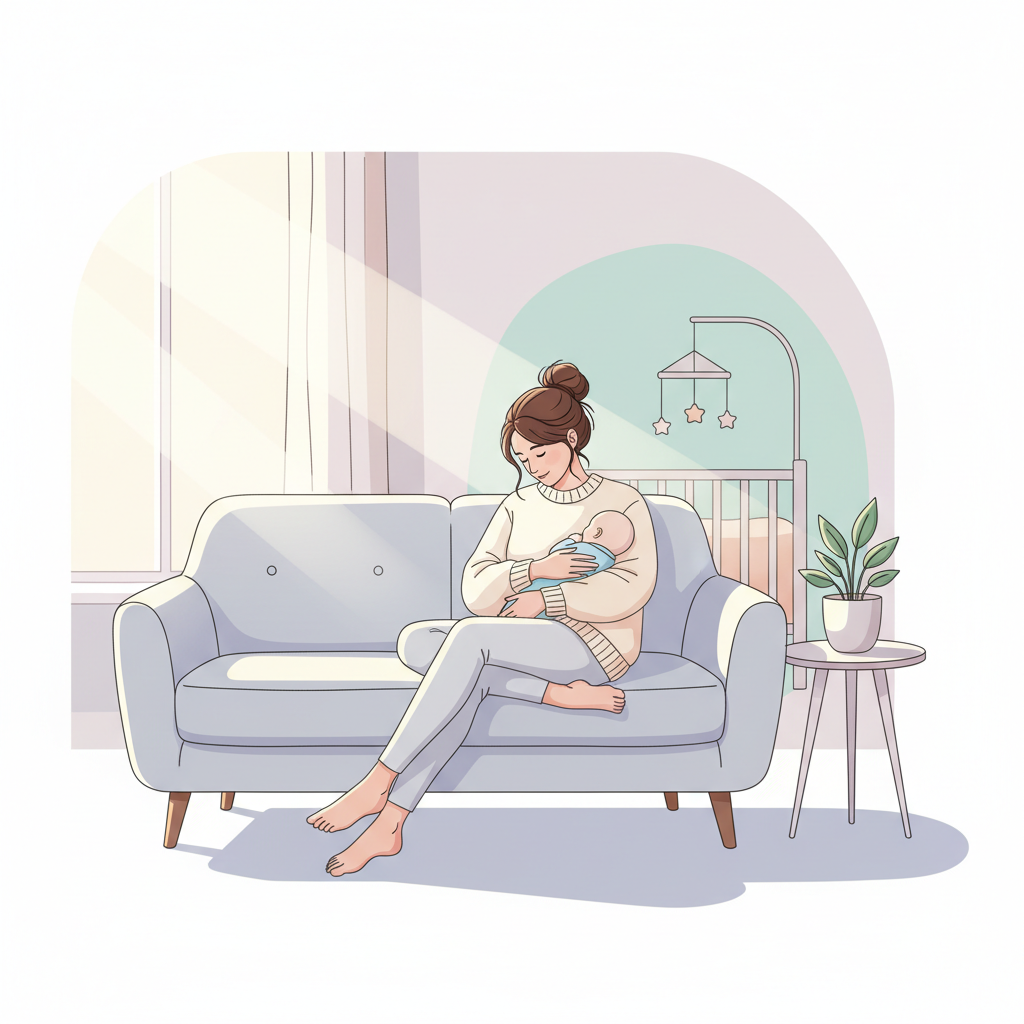
It was 3:14 a.m. when I finally realized the silence wasn't golden. It was heavy. Noah was finally asleep in his bassinet, but my brain was still whirring. Was that twitch in my eye normal? Was this profound exhaustion just… part of the deal? I was deep in the postpartum fog, and honestly, I had no idea how to tell the difference between baby blues and PPD symptoms. It felt like the most critical question in the world, shrouded in a fog of sleep deprivation and pure, unadulterated love for this tiny human.
The truth is, after you bring a baby home, your body and mind go through a seismic shift. It’s like living in a foreign country without a guidebook.
Welcome to the Fourth Trimester
Everyone talks about pregnancy and birth, but that period right after? The so-called "fourth trimester"? It's this intense, beautiful, and frankly, chaotic time where you and your baby are just figuring things out. Your hormones are doing a frantic dance, plummeting after carrying life for nine months.
This hormonal freefall can lead to an emotional rollercoaster. Think mood swings, tearfulness, and an overwhelming sense of emotional sensitivity.
And that’s where the “baby blues” come in.
So, What Exactly ARE the Baby Blues?
The baby blues are like a fleeting, emotional hangover from childbirth. They’re super common, hitting a huge percentage of new moms.
You might feel unexplainable sadness, weepiness, irritability, or even feel restless. It can be intense, but here's the key: it usually comes and goes.
It often peaks in the first few days after birth and typically fades within two weeks. It doesn't derail your ability to function; it’s more like a passing storm cloud.
Baby Blues vs. Postpartum Depression: The Real Differences
This is where it gets tricky, and where my own confusion really set in. The baby blues symptoms versus postpartum depression can feel so similar in the beginning.
But there are crucial differences, especially in how long they last and how deeply they affect you.
How Long Do They Stick Around?
The baby blues are by definition, temporary. They usually start within a few days of delivery and dissipate on their own within that first couple of weeks.
Postpartum depression (PPD), on the other hand, is a much more significant and persistent condition. It can begin anytime during the first year after childbirth, and without treatment, it doesn't just "go away."
Do They Mess With Your Day-to-Day Life?
With the baby blues, while you might feel weepy or overwhelmed, you can typically still care for yourself and your baby. You might need a bit more comfort or a good cry, but you're still functioning.
With postpartum depression, the symptoms are much more debilitating. They can interfere with your ability to do everyday tasks, like showering, eating, or even just getting out of bed. It feels like wading through thick mud, all the time.
Is It Just Sadness, or Something More?
A hallmark of the baby blues is that while you feel sad or weepy, you might still have moments of joy or connection with your baby.
For moms experiencing PPD, the sadness often feels deeper, more pervasive. There's a sense of hopelessness, of being completely overwhelmed, and this can significantly impact your ability to feel connected to your baby.
Signs That Point to Postpartum Depression
When the feelings don't lift, and the exhaustion feels all-consuming, it's time to pay closer attention. These are some of the postpartum depression signs many moms experience:
Persistent Sadness and Mood Swings
It's more than just a bad day. It’s a deep, lingering sadness or emptiness that doesn't seem to lift. You might experience intense mood swings that are hard to control, with periods of intense sadness, anger, or anxiety.
Trouble Bonding With Your Little One
This was one of the hardest things for me to admit. You expect this immediate, overwhelming love. When it's not there, or when you feel disconnected, it's terrifying. You might feel resentment towards your baby, or just a profound lack of interest.
Appetite and Sleep Are All Over the Place
You’re sleep-deprived, yes, but this is different. Your appetite might disappear completely, or you might find yourself eating far more than usual. Sleep is also a mess – you might have trouble falling asleep even when the baby is asleep, or sleep excessively. It's a disruption beyond the normal new-parent exhaustion.
Anxiety That Feels Like a Physical Attack
Many moms with PPD experience significant anxiety. This can manifest as racing thoughts, constant worrying, panic attacks, or feeling a persistent sense of dread. It can be absolutely paralyzing.
Dark Thoughts
This is the scariest part, and often the most isolating. Some moms experiencing PPD have thoughts of harming themselves or their baby. If you or someone you know is having these thoughts, please know you are not alone and there is help. This is a sign that professional intervention is urgently needed.
When to Raise Your Hand and Ask for Help
Figuring out when to worry about postpartum mood swings is crucial. If you’re experiencing any of the PPD symptoms consistently for more than two weeks, or if they are severe enough to impact your daily life, it's time to reach out.
Spotting Red Flags
Think about it like this: are you feeling like this more often than not? Are these feelings making it hard to care for yourself or your baby? Are you unable to find moments of joy or peace? These are your red flags.
Have the Talk with Your Doctor
Your OB/GYN is your first line of defense. They are trained to screen for postpartum mood disorders. Don't downplay your feelings. Be honest, be raw. Your pediatrician can also be a great resource, as they see you and your baby regularly.
Finding Your Lifeline: Postpartum Support
There are amazing resources available. This includes:
- Postpartum Support International (PSI): They offer a helpline, local support groups, and educational resources.
- Your insurance provider: Check what mental health services are covered.
- Local hospitals or birthing centers: Many offer postpartum support programs.
- Therapists specializing in perinatal mental health: They can provide specialized care.
My Own Climb Out of the Fog
Honestly, I chalked up my struggles to just being a “bad mom” for way too long. I was crying multiple times a day, feeling a constant knot of anxiety in my stomach, and had zero interest in my precious baby. The postpartum support for moms I eventually found felt like a literal lifeline.
I finally opened up to my husband, who, bless his heart, listened without judgment and helped me make that first call to my doctor. It was terrifying, but admitting I needed help was the most important step. Finding a therapist who understood the unique challenges of postpartum recovery made all the difference. I learned coping mechanisms, and slowly, the fog began to lift.
You've Got This, Mama: You're Not Alone
The journey of motherhood is rarely a highlight reel. It's messy, beautiful, terrifying, and deeply human. Please, remember this:
- Partner and Family Support: Talk to your partner, your mom, your sister, your best friend. Let them know how you’re feeling. Ask for help with childcare, meals, or just a listening ear.
- Mom Groups and Online Communities: Connecting with other moms who are going through similar experiences can be incredibly validating. You realize you are not isolated in your struggles.
- Professional Mental Health Care: Seeking therapy is a sign of strength, not weakness. It's about investing in your well-being so you can be the best mom you can be.
If you’re reading this because you’re questioning your own feelings, please take a deep breath. You are doing an amazing job, even on the hardest days. Reaching out is brave, and help is absolutely available. You are so loved, and you are so not alone.