Baby's First Finger Foods: A Gentle Transition Guide
Navigating the messy, wonderful world of baby's first finger foods. Learn key signs your baby is ready, safety tips, and easy food ideas.
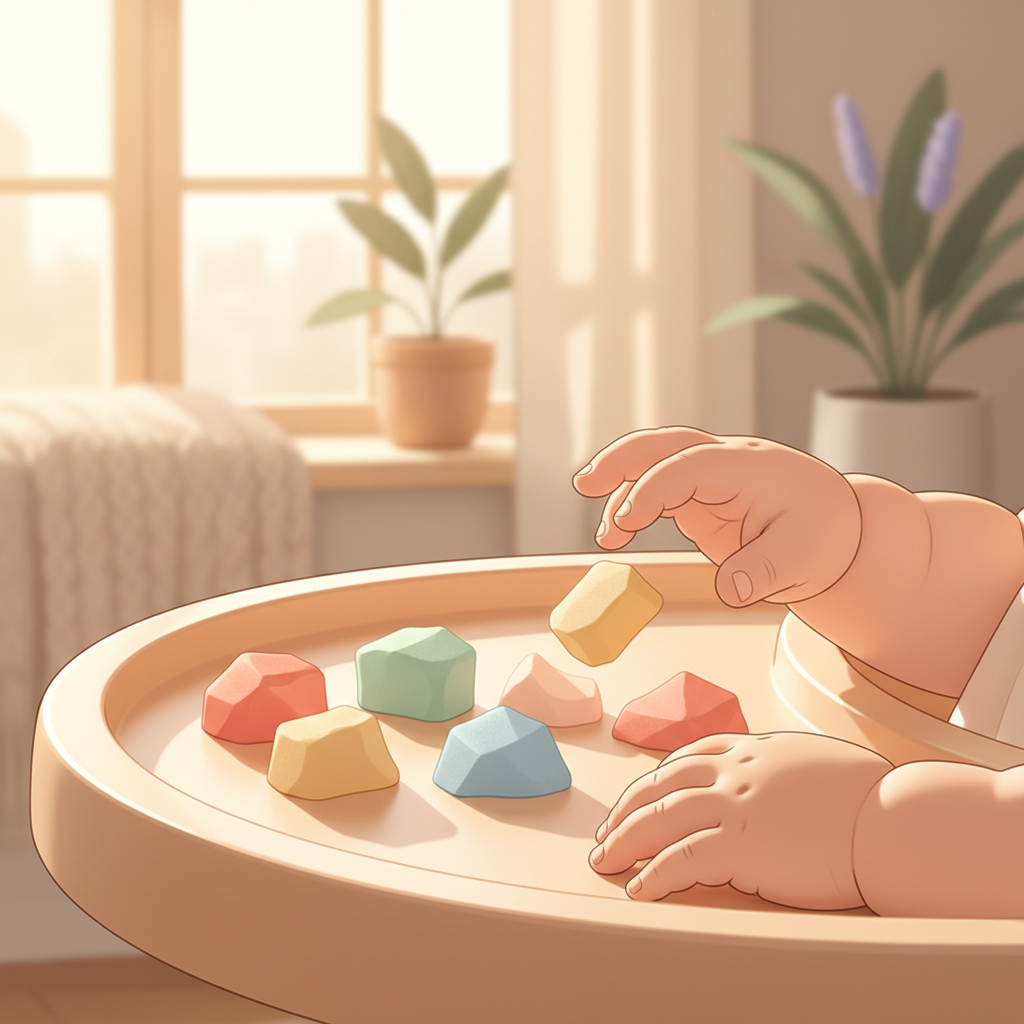
The Messy, Wonderful World of Baby's First Finger Foods
It was 8:15 a.m. and I was staring at a single, perfectly pureed pea clinging to Noah’s cheek. We had just finished breakfast, and while he’d managed to get about 10% of the food into his mouth, the other 90% was now artfully decorating his high chair, his hair, and me. This was our routine: spooning purees, wiping faces, and wondering when this transition from liquid smooth to solid chunky would actually feel… good.
The truth is, nobody really prepares you for the sheer mess of feeding a baby solid food, let alone the gentle transition from purees to finger foods for baby. It feels like a huge leap, a moment where you’re suddenly handing your tiny human actual food to self-feed.
But here’s the thing: it’s totally doable. And honestly, it’s pretty amazing to watch. So, if you’re feeling a little overwhelmed by the idea of your baby going from smooth mouthfuls to gnawing on a piece of broccoli, take a deep breath. We’re going to walk through this together.
Is Your Baby Ready for the Finger Food Adventure? Reading the Signs You Can't Miss
Timing is everything, right? Especially when it comes to feeding. You want to introduce finger foods when your baby has the developmental chops to handle it. It’s less about a specific age and more about watching for their cues.
Gagging vs. Choking: Understanding the Difference
This is probably the most nerve-wracking part for any new parent. I sure panicked the first time Noah made that dramatic gagging noise. It sounds scary, but gagging is actually a protective mechanism. It means the food is too far back in their mouth, and they’re working to move it forward to chew and swallow.
Choking, on the other hand, is silent. It means their airway is blocked, and they can’t breathe or cough effectively. It’s crucial to know the difference between a loud, sputtering gag and an ominous silence.
Key Developmental Milestones to Watch For
So, what does readiness actually look like? It’s a combination of skills.
- Sitting Up Independently: Your baby should be able to sit upright on their own, unassisted, for a good chunk of time. This gives them better control of their mouth and airway.
- Good Head and Neck Control: They need to be able to hold their head steady.
- Loss of Tongue-Thrust Reflex: You know how babies automatically push anything out of their mouths with their tongue? When that reflex starts to fade, they can move food from the front to the back of their mouth.
- Pincer Grasp Developing: They’re starting to use their thumb and index finger to pick up small objects. This is your cue that they can actually grab a piece of food.
- Showing Interest in Your Food: If they’re eyeing your plate like it holds the secrets to the universe, they’re probably ready to explore.
When you see these signs, it’s a good indication they are ready for the next step.
The 'Why' Behind the Transition: It's More Than Just Eating
Moving from purees to finger foods isn't just about variety on the menu. There are some pretty significant developmental benefits happening alongside the mealtime chaos.
Fine Motor Skill Development
Watching your baby try to pick up a tiny piece of steamed carrot with their little fingers is a masterclass in developing fine motor skills. They’re practicing precision, hand-eye coordination, and control. Each successful grab and transfer to their mouth is a small victory in building these essential skills.
Oral Motor Skills and Speech Readiness
Chewing different textures, moving food around their mouth, and coordinating swallowing all work those tiny muscles in their tongue, cheeks, and jaw. These are the very same muscles they'll need for clear speech later on. So, while it might seem like they’re just playing with their food, they’re actually doing a lot of important prep work for talking.
This exploration also helps them understand different sensations in their mouth, which can be fascinating for their sensory development.
Your Gentle Roadmap: Moving from Purees to Real Food
So, you've decided they're ready. How do you actually do it without feeling like you're throwing them to the wolves (or the broccoli)? A gradual approach is key here.
Step 1: Introducing Slightly Thicker Purees
Before diving into whole pieces of food, you can start by making your purees a bit less watery. If you’re making them yourself, add a little less liquid. If you’re using store-bought, you can mix in a bit of unsweetened applesauce or a tiny bit of water to thicken them up. This helps your baby get used to a new consistency in their mouth.
Step 2: Exploring Soft, Mashed Foods
Once they’re comfortable with thicker purees, try mashing your regular baby food or cooked vegetables with a fork. Think mashed sweet potato, mashed avocado, or mashed banana. You can even leave a few small lumps in there. This bridges the gap between smooth and solid.
Step 3: Embracing First Finger Foods (Safely!)
This is the big one! When you feel they’re ready for actual pieces, you’ll want to start with foods that are naturally soft and easy to mash with their gums. This is where the ‘gentle transition from purees to finger foods baby’ truly begins.
First Finger Foods Your Baby Will Love (and are Safe!)
Picking the right first finger foods is important. You want them to be nutritious, easy for baby to handle, and safe. Here are some staples that worked well for us:
-
Vegetables:
- Steamed sweet potato, cut into 1-inch sticks. They’re soft and slightly sweet.
- Steamed broccoli or cauliflower florets. Make sure they are very soft and the stems are easily mashable.
- Well-cooked carrot sticks (ensure they can be easily mashed between your fingers).
-
Fruits:
- Ripe banana slices. Super soft and easy to gum.
- Avocado chunks. Creamy and full of healthy fats.
- Soft pear or peach slices (ripe and peeled).
-
Proteins & Grains:
- Soft-cooked chicken or turkey strips, cut small.
- Oatmeal bites. You can make little patties with oatmeal, a little milk, and a binder like mashed banana, then bake them.
- Scrambled egg pieces. | Pediatrician Approved Plant Protein for 15-Month-Old Vegetarians
The goal is for the food to be easily mashable between your fingers.
Safety First: How to Introduce Finger Foods Without Fear
I know, the fear of choking is real. But with the right precautions, you can make this stage much less terrifying.
Proper Food Shapes and Sizes
This is critical. Always cut food into a shape and size your baby can manage. Strips or sticks are often easier for them to grasp initially than small, round pieces. Think about the size of their fist, and cut smaller pieces. | How to Handle Grandparents Giving Toddlers Sugary Snacks
For softer items like berries, you might want to quarter or halve them, or even mash them slightly if they’re particularly firm. Avoid foods that are naturally hard, sticky, or round and small, like whole grapes, hot dog rounds, popcorn, or nuts, until they are much older and have better chewing skills.
Supervision Tips from the AAP
The American Academy of Pediatrics (AAP) strongly recommends constant, uninterrupted supervision whenever your baby is eating. Never leave your baby unattended at mealtime, even for a second. This is the golden rule of feeding.
Creating a Safe Eating Environment
Make sure your baby is seated upright in their high chair. Their feet should be supported if possible. This posture helps with digestion and reduces the risk of choking. Keep distractions to a minimum so they can focus on eating.
Make sure everyone who feeds your baby understands these safety principles.
When to Call the Pediatrician: Red Flags to Know
While gagging is normal, there are a few signs that might warrant a chat with your pediatrician.
- Persistent difficulty chewing or swallowing.
- If your baby consistently gags to the point of distress without being able to resolve it themselves.
- Any signs of allergic reactions. This could include hives, swelling, vomiting, or difficulty breathing after eating a new food.
- Significant weight loss or failure to gain weight.
- If you’re just feeling overwhelmed or unsure about any aspect of feeding.
Your pediatrician is your best resource for personalized advice and to address any specific concerns you might have about your baby’s development and feeding journey.
This journey from purees to finger foods is a huge milestone. It's messy, it's loud, and sometimes it feels like you're just making more laundry. But it's also a beautiful demonstration of your baby's growth and independence. You're teaching them vital skills, fostering a curious palate, and building their confidence, one squished piece of banana at a time.
You’re doing great, mama. You truly are.