Baby Only Naps 30 Minutes? How to Lengthen Nap Times
Struggling with 30-minute baby naps? Discover why they happen and learn gentle, effective strategies to help lengthen nap times and improve your baby's sleep.
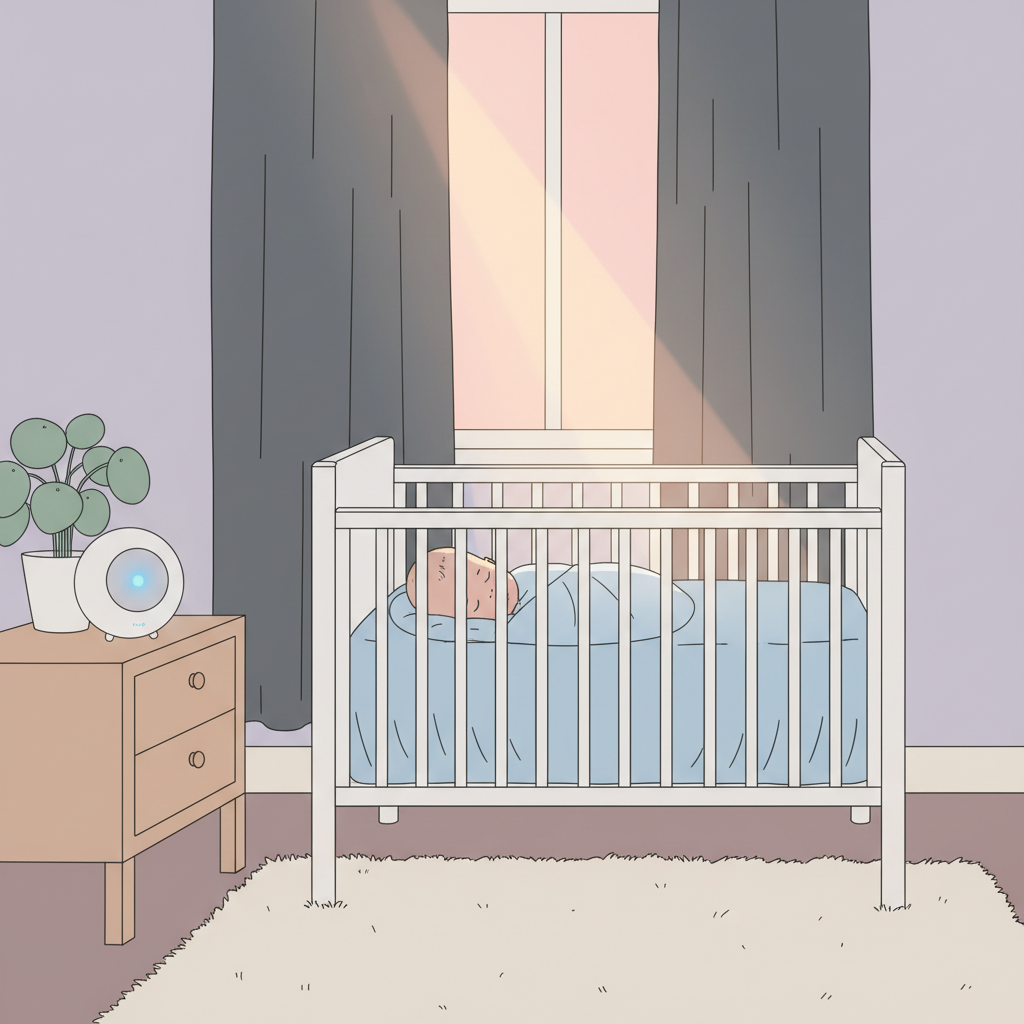
Is Your Baby Stuck in the 30-Minute Nap Trap?
It was 7:07 a.m., and I was pretty sure I’d just spent the last three hours in a fever dream. Noah’s pacifier had fallen out for the fifth time. The monitor crackled just enough to make me jump every time. And then… silence. Pure, unadulterated silence. My first thought wasn’t relief, it was panic. Had he woken up? Was he crying? I scrambled out of bed, my body protesting every movement, only to find him still nestled in his bassinet, eyes wide open, staring at the ceiling. He had “slept” for a glorious 32 minutes.
This, my friends, is the reality of the infamous 30-minute nap. It’s a phase, a rite of passage, a tiny tyrant that rules our days. If you’re here because your baby only naps 30 minutes and you're wondering how to lengthen them, you're not alone. Believe me, I've been there. That feeling of getting a sliver of quiet, only for it to be snatched away 30 minutes later, is… something else.
So, What’s the Deal with These Short Snoozes?
Honestly, it feels like a cruel joke sometimes, doesn’t it? You finally get them down, you make a cup of coffee, you sit down… beep beep beep, the monitor is flashing. What is it with these 30-minute baby naps?
Tiny Sleep Cycles
Here’s the sciencey bit, explained in my usual, slightly frazzled way. Babies have shorter sleep cycles than adults. While we adults drift through deep sleep and REM for about 90 minutes, babies are on a much quicker rotation. They cycle through light sleep and deeper sleep in roughly 45-60 minutes.
When a baby reaches the end of a light sleep cycle, they naturally stir. For us, we can usually roll over and go back to sleep without even noticing. For a baby, especially a younger one, this stir can be enough to wake them fully. And if they haven’t learned to self-soothe yet, or if something is bothering them, they’re going to need help getting back to sleep.
The 4-Month Sleep Curveball
You might hear about the "4-month sleep regression." While it’s called a regression, it’s actually a developmental leap. Around this time, babies’ sleep patterns mature. They start to have more distinct REM and non-REM sleep cycles, much like us.
This change can disrupt their established sleep habits, leading to those frustratingly short naps. This is often when the 30-minute nap problem really makes itself known. It’s not that they can’t sleep longer, it's that their sleep architecture is changing, and they need to adjust.
Common Suspects Hiding in the Shadows
Why does my baby wake after 30 minutes? Several things could be the culprit.
- Overtiredness: This sounds counterintuitive, right? But a baby who is too tired often has a harder time settling down and staying asleep. Their bodies are flooded with stress hormones, making it harder to transition between sleep cycles.
- Undertiredness: On the flip side, if they haven’t been awake long enough, or if the last nap was too short, they might not be tired enough to connect sleep cycles.
- Environment: Is the room too bright? Too noisy? Too hot or too cold? Babies are sensitive!
- Feeding/Comfort: Are they hungry or thirsty? Did they experience discomfort like a wet diaper or gas?
- Developmental Leaps/Teething/Illness: Sometimes, it’s just a temporary disruption due to growth spurts, teething pain, or a little bug.
Setting the Foundation for Longer Slumbers
Before we even think about extending naps, we need to make sure we’re setting the stage for success. This is all about creating an environment and a rhythm that tells baby, "Hey, it’s time to get some good rest."
The Sleep Sanctuary
Think of the nursery as a cozy, dark, and calm cave.
- Darkness: Blackout curtains are your best friend. Even a sliver of light can disrupt sleep. The darker it is, the more melatonin (the sleepy hormone) your baby can produce.
- Sound: White noise machines can be amazing. They create a consistent, soothing sound that drowns out household noises and mimics the womb. Keep the volume at a moderate level and place it a safe distance from the crib.
- Temperature: Aim for a comfortable room temperature, typically between 68-72°F (20-22°C). Overheating is a SIDS risk and makes babies uncomfortable.
The Naptime Ritual
Consistency is key, even for short naps. A simple, calming routine signals to your baby that sleep is coming. It doesn't have to be elaborate.
- Diaper change
- A quick cuddle and song
- Placing them into their crib, awake but drowsy
This short, predictable sequence helps them wind down and associate these actions with sleep.
Reading the Sleep Signs
Learning your baby’s sleepy cues is crucial. Trying to get a baby to sleep when they’re not tired, or when they’re already too tired, is a recipe for frustration.
Look for:
- Yawning
- Rubbing eyes
- Staring into space
- Decreased activity
- Fussiness (this is often a later cue!)
The sweet spot is to put them down when they’re showing early signs of tiredness, not when they’re already overtired and cranky. This is a huge part of making naps successful.
Gentle Nudges to Encourage Longer Naps
Okay, so you've optimized the environment and you're watching for cues. But baby still wakes at the 30-minute mark. What can you do? This is where we get into extending baby naps naturally, with a gentle touch.
The Comfort-Put-Down Technique
This is one of my favorite approaches. When baby wakes, resist the urge to immediately scoop them up. Instead, try to comfort them in the crib.
- Gently pat their chest or back.
- Whisper soothing words.
- Offer a pacifier if they use one.
The goal is to let them know you’re there, but give them a chance to settle back to sleep on their own. If this doesn't work and they’re still stirring, you can always pick them up.
Soothe and Resettle
If your baby is genuinely upset after waking, pick them up, offer comfort until they’re calm, but then put them back down before they fall asleep in your arms.
The idea is to help them transition back to sleep within their own sleep space. This helps them learn to connect those sleep cycles more independently. It takes practice, for both of you!
Timing Your Intervention
This is where it gets tricky and requires observation. Some babies will wake at the 30-minute mark and a little shushing is all they need. Others might actually be waking between sleep cycles.
- The 10-Minute Rule: If you suspect they’re waking between cycles and just need a little nudge, wait about 10 minutes after they wake before intervening. Sometimes, they’ll fall back asleep on their own.
- Listen Carefully: Is it a brief fuss, or a full-blown cry? A fuss might mean they're transitioning. A cry means they need you.
For babies often waking after 30 minutes, the focus is on helping them bridge that gap. It's about a gentle support system as they learn to sleep longer stretches.
Knowing When to Seek Support
Look, you are not alone in this. Many, many moms struggle with short naps. There will be days when you’ve tried everything and it just isn’t working.
Chatting with Your Pediatrician
Your pediatrician is a great resource. They can rule out any underlying medical issues that might be affecting sleep, like reflux or allergies.
They can also offer general guidance on age-appropriate sleep expectations and healthy sleep habits. Don't hesitate to bring up your naptime woes at your next appointment.
When a Sleep Consultant Might Help
If you’ve tried various gentle approaches consistently for a few weeks with no improvement, and your baby’s short naps are significantly impacting their (and your) well-being, a certified sleep consultant might be an option.
A good consultant can help you:
- Assess your baby’s specific sleep challenges.
- Develop a customized plan.
- Provide support and accountability as you implement changes.
It's important to find someone who aligns with your parenting philosophy, focusing on gentle, evidence-based methods.
The Heart of the Matter: What's Good for YOU
This whole nap situation can feel overwhelming, exhausting, and frankly, isolating. It’s easy to get caught up in the “perfect baby” Instagram posts and feel like you’re failing. You are not.
Realigning Expectations
The truth is, some babies are naturally shorter nappers than others. And the 30-minute nap phase, while maddening, is often temporary. Research suggests that most babies don’t consistently lengthen their naps significantly until well past the first year.
Focus on progress, not perfection. Celebrate the 40-minute nap! Acknowledge the time you’re getting back.
Making Space for Yourself
This is arguably the most important part of surviving short naps. What can you do during those precious 30 minutes?
- Sit Down: Even if it's just for ten minutes. Drink your coffee hot.
- Shower: A quick, uninterrupted shower can feel like a spa day.
- Listen to Music/Podcast: Zone out for a bit.
- Connect: Text a friend or your partner.
Your well-being matters. When you’re more rested and less stressed, you can handle the challenges of motherhood with more grace and patience.
Navigating the short nap cycle can feel like threading a needle in the dark. But remember, you are doing an incredible job. These short stretches of sleep are often a sign of development, a phase your baby is working through. Be patient with them, and most importantly, be kind to yourself. You’ve got this, mama.