Best Finger Foods for 8-Month-Old Baby-Led Weaning Without Teeth
Discover the best finger foods for your 8-month-old on their baby-led weaning journey, even without teeth. Soft, safe, and nutritious options included.
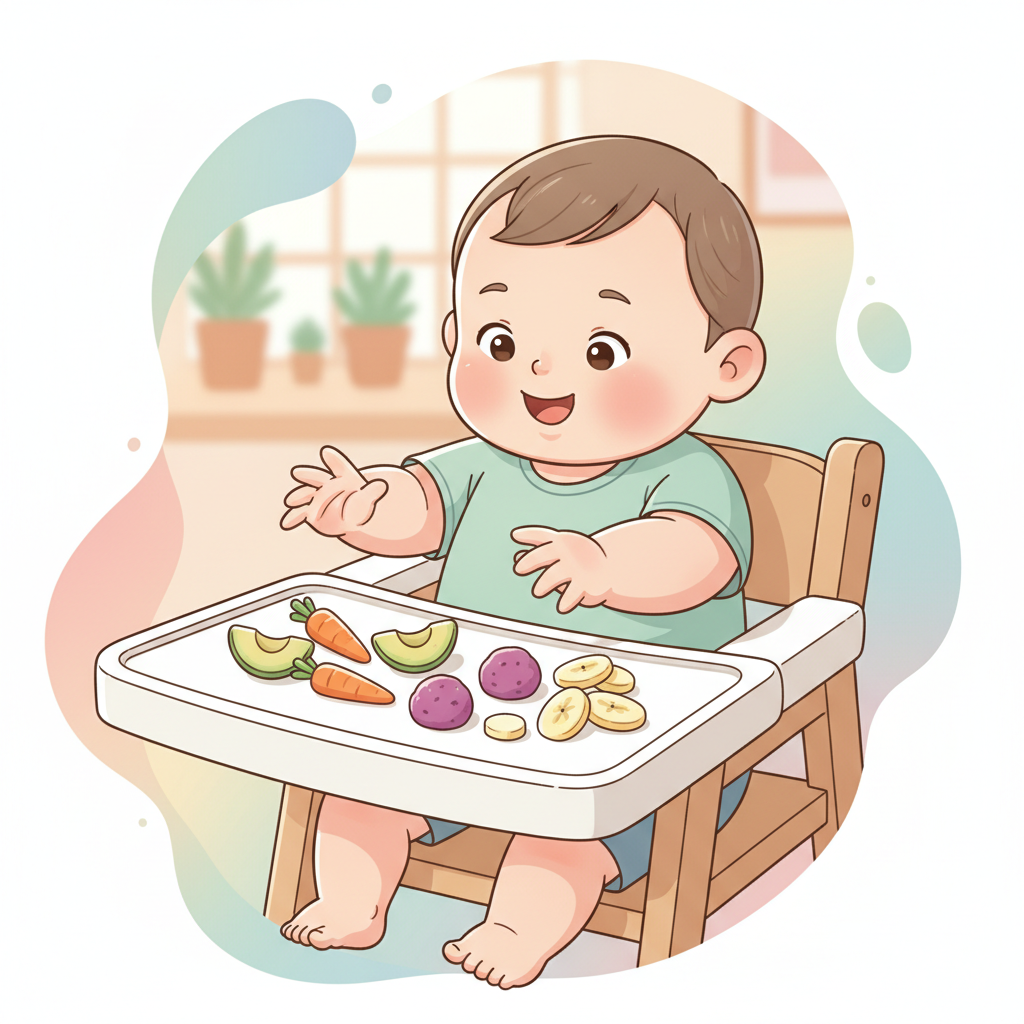
No Teeth, No Problem: The Best Finger Foods for Your 8-Month-Old Baby-Led Weaning Adventure
It was 7:15 a.m. and Noah, my 8-month-old, was staring intently at the piece of banana on his tray. He’d already gummed half of it into a mush, his little face a mask of concentration. I watched him, my own coffee growing cold, and remembered the early days of baby-led weaning. The idea of him feeding himself, especially without a single tooth in sight, felt ambitious.
Honestly, there’s a lot of pressure when you start solids. You see all these perfectly curated Instagram feeds and wonder if you’re doing it right. The truth is, for many of us, it’s messy. It’s trial and error. And for babies without teeth, like my little guy, it adds another layer of 'wait, how does this even work?' But I’m here to tell you, it absolutely can work. The best finger foods for 8 month old baby led weaning no teeth are out there, and they're simpler than you think.
Gumming Your Way to Nutrition: Why Finger Foods Matter (Even Without Chompers!)
You guys, did anyone else feel completely bewildered by the anatomy of a baby’s mouth pre-solids? I knew they’d eventually chew, but the whole gumming thing? It’s a revelation. Babies have incredibly strong gums, and they can break down a surprising amount of food with them.
Think of it like this: their gums are their first set of powerful tools. They can mash, they can squish, and they can definitely explore textures. The key for baby led weaning without teeth isn't about hard, crunchy things. It's about focusing on foods that are soft enough to be manipulated by those gums.
Safety is paramount, of course. We're talking about textures that can be easily broken down and are less likely to cause a choking incident. It's about building their confidence and independence, one mushy piece of food at a time.
Soft Bites for Little Explorers: First Finger Foods (No Teeth Needed!)
So, what exactly do you offer an 8-month-old with gums, not grinders? The good news is, there's a whole world of soft foods for 8 month old babies that are perfect for self-feeding.
Steamed Veggies Galore
Veggies are my go-to. They're packed with nutrients and, when steamed until fork-tender, become incredibly squishable.
- Sweet potato: Cut into thick fries or small cubes. They're naturally sweet and so easy to gum.
- Butternut squash: Similar to sweet potato, it’s soft and flavorful.
- Broccoli florets: Steam them until quite soft. The little trees are fun to hold.
- Carrots: While often thought of as hard, steaming them until very tender makes them manageable.
- Zucchini and yellow squash: Softer by nature, steam until tender and cut into strips.
Fruit Firsts
Fruits are a natural crowd-pleaser and offer a great introduction to sweetness and different textures.
- Avocado: Ripe avocado is a dream! Cut into wedges or cubes. It’s mushy and soft.
- Banana: Overripe bananas are even better. They’re super soft and easy to mash.
- Berries: Raspberries and blueberries can be offered whole (blueberries might need a gentle squish to prevent rolling). Strawberries can be quartered.
- Pears and peaches: Make sure they are very ripe and soft. Cut into manageable pieces.
Protein Powerhouses
Don't shy away from protein! It's crucial for growth, and many sources are surprisingly easy to prepare for first finger foods no teeth.
- Well-cooked eggs: Cut scrambled eggs into strips. Cooked yolks are fine too.
- Soft-cooked beans: Lentils and black beans, if cooked until very soft, can be gummed.
- Tofu: Silken tofu, cut into strips, is incredibly soft and easy for babies to manage.
- Well-cooked, shredded chicken or turkey: Ensure it's moist and soft.
Grain Goodness
Grains can provide energy and fiber.
- Oatmeal: Cooked until thick and slightly cooled, can be presented on the tray.
- Pasta: Cooked beyond al dente, like whole wheat rotini or penne.
- Soft-cooked rice: If cooked until very mushy, it can be offered.
Making Meals Graspable: Size, Shape, and Safety
The way you prepare food is just as important as the food itself when you’re dealing with baby led weaning without teeth.
Size and Shape Matters
Babies explore with their hands before their mouths. You want pieces that are easy for them to grab. A good rule of thumb is to make foods:
- Finger-sized sticks: About the size of an adult index finger. This allows them to hold one end while the other end is accessible for gumming.
- Larger than their fist: If the food is too small, it’s a choking hazard.
- Soft and easily mashable: If you can’t easily break it down between your fingers, it’s likely too hard.
Prepping to Prevent Choking Hazards
This is where you need to be mindful. Round, slippery, or hard foods are big no-nos for little ones.
- Grapes/cherry tomatoes: Always cut lengthwise into quarters.
- Hot dogs: Pediatricians now recommend avoiding them altogether for young children due to choking risk, even if cut up.
- Nuts and seeds: Avoid whole nuts. Nut butters can be offered thinly spread on a piece of toast or fruit.
- Popcorn: Avoid.
Navigating the Gagging Game: What's Normal, What's Not
This is probably the scariest part for many moms starting baby-led weaning, especially with easy blw foods for babies that are soft. You will hear gagging sounds. It’s normal. It’s actually a good sign.
What to Expect (and Not Panic About)
Gagging is a protective reflex. Your baby is learning to move food around their mouth and manage textures. It often sounds worse than it is. They might:
- Make loud noises, gagging, sputtering.
- Push the food back with their tongue.
- Their eyes might water.
- They might even spit the food out.
This is their body’s way of saying, 'Whoa, this is a big piece' or 'I haven't figured out how to move this yet.' It’s a sign that they are still in control of the food in their mouth.
When to Call the Pediatrician
Choking, on the other hand, is silent and terrifying. If your baby's airway is truly blocked, they will not be able to make noise. Signs of choking include:
- Inability to cough or cry.
- Silent breathing or high-pitched wheezing.
- Blueish skin color.
If you see any of these signs, immediate intervention is necessary. This is why knowing infant CPR is so incredibly valuable for all parents. If you are ever concerned about your baby’s breathing or potential choking, it’s always best to contact your pediatrician or seek emergency medical attention. Understanding the difference between gagging vs. choking baby led weaning is crucial for your peace of mind and your baby's safety.
Tips for a Happy Mealtime
Baby-led weaning is more than just handing over food; it's about creating a positive relationship with food.
Creating a Positive Mealtime Environment
- Sit together: Eat with your baby whenever possible. They learn by watching you.
- Keep it calm: Avoid distractions. Your kitchen table should be a zone for connection and nourishment.
- Don't force it: If your baby isn't interested, that's okay. Offer the food, but don't push.
Encouraging Self-Feeding
- Let them explore: It’s okay if they play with their food. That’s part of learning.
- Offer variety: Continue to offer a range of safe, soft foods.
- Be patient: They might not eat much at first. It takes time to build up their skills and appetite.
Dealing with Picky Eaters (Even Early On!)
It might seem too soon to worry about picky eaters, but some babies show preferences early.
- Keep offering: Don't give up if they reject something once. It can take many exposures.
- Don't make it a battle: Your job is to offer healthy food. Their job is to decide how much (or if) to eat.
- Model good eating habits: Make sure you're enjoying a variety of healthy foods yourself.
Starting baby-led weaning for your 8-month-old, even with no teeth, is a journey of discovery. It's about trusting your baby's instincts and your own. You've got this, mama. Those gummy smiles are all the proof you need.