C-Section Recovery Nutrition: Healing Stitches & Boosting Energy
Discover a C-section recovery nutrition plan focused on healing stitches, boosting energy, and supporting postpartum recovery. Learn about key nutrients and sample meal ideas.
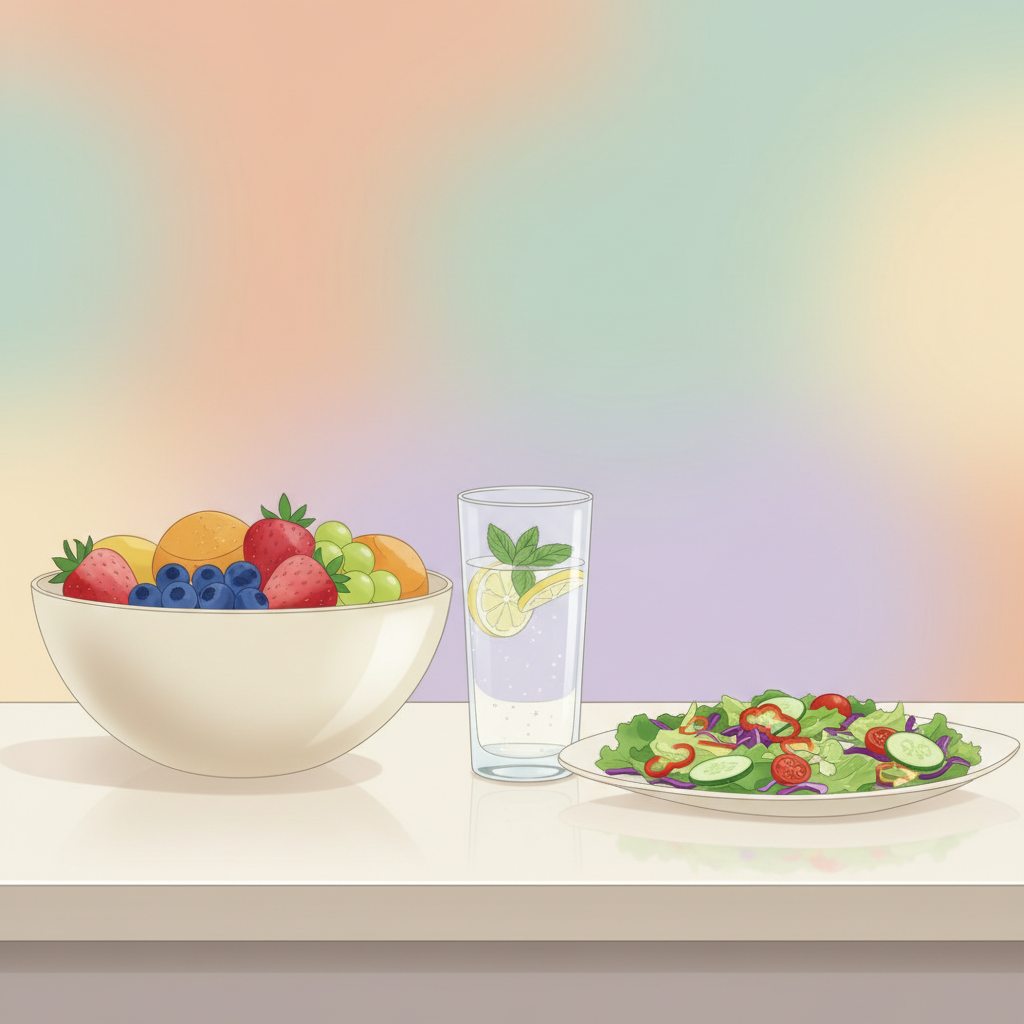
Nourishing Your Body: A C-Section Recovery Nutrition Plan for Healing and Energy
It's completely normal to wonder about the best way to feed yourself after a Cesarean birth. Your body has done incredible work, and now it needs fuel to heal and regain its strength. Beyond just the physical recovery of your incision, you're navigating sleep deprivation, hormonal shifts, and the immense task of caring for a newborn. A dedicated nutrition plan for healing stitches and energy after c-section can make a significant difference in how you feel during these precious, and often exhausting, first weeks. It’s about giving your body exactly what it needs to support your stitches, boost your energy, and help you feel more like yourself.
Why What You Eat Matters So Much After a C-Section
Giving birth via C-section is major surgery, and your body deserves the same careful attention you'd give to any significant physical recovery. The choices you make around food are powerful tools in this process.
Supporting Your Incision's Journey
Your C-section incision is a wound that needs to close and heal. Certain nutrients are like the building blocks and repair crew for this process. Adequate protein, for instance, is essential for tissue regeneration.
Combatting the Fog of Fatigue
Postpartum fatigue is a given, but it doesn't have to be debilitating. A consistent intake of nutrient-dense foods can provide sustained energy, helping you stay present and engaged with your baby rather than feeling constantly drained. This is where strategic eating comes in.
Fueling Your Breastfeeding Goals
If you’re breastfeeding or chestfeeding, you are producing milk, which requires a significant caloric and nutrient investment. A well-rounded eating pattern supports milk production and ensures you're getting the vitamins and minerals you need through your milk, as well as for yourself.
The Star Players: Nutrients for Your C-Section Recovery
Let's dive into the specific heroes your body needs right now.
Protein Powerhouses
Protein is fundamental for cell repair and rebuilding. After surgery, your body uses protein to knit together tissues, including your abdominal muscles and skin at the incision site. Aim to include a source of protein with every meal and snack.
- Lean meats (chicken, turkey, lean beef)
- Fish (salmon, cod, tuna)
- Eggs
- Dairy (yogurt, cheese, milk)
- Legumes (beans, lentils, chickpeas)
- Tofu and tempeh
- Nuts and seeds
Vitamins & Minerals for Repair and Resilience
Certain micronutrients play crucial roles in the healing cascade.
- Vitamin C: This antioxidant is vital for collagen synthesis, a protein that gives your skin strength and elasticity. It also helps your body absorb iron. Think citrus fruits, bell peppers, strawberries, and leafy greens.
- Zinc: This mineral is a superstar for wound healing and immune function. You can find it in oysters, red meat, poultry, beans, nuts, and whole grains.
- Iron: Postpartum bleeding can deplete iron stores, leading to fatigue and slower healing. Iron is essential for carrying oxygen throughout your body. Good sources include red meat, poultry, fish, beans, spinach, and fortified cereals. Pairing iron-rich foods with Vitamin C-rich foods enhances absorption.
Healthy Fats: Energy and Inflammation Management
Don't shy away from healthy fats; they are crucial for energy, hormone balance, and reducing inflammation. They help your body absorb fat-soluble vitamins (A, D, E, K).
- Avocado
- Olive oil
- Nuts and seeds (chia seeds, flaxseeds, walnuts)
- Fatty fish (salmon, mackerel)
A Taste of Recovery: Sample 3-Day C-Section Healing Meal Plan
This is just a blueprint to get you started. Listen to your hunger cues and choose what appeals to you. Remember to stay well-hydrated!
Day 1: Focus on Hydration and Easy Digestion
The goal today is gentle nourishment and keeping things moving smoothly.
- Breakfast: Oatmeal made with milk (or non-dairy alternative), topped with a few berries and a sprinkle of chia seeds. A soothing cup of herbal tea.
- Lunch: A simple broth-based vegetable soup with shredded chicken or lentils. A small serving of plain yogurt.
- Dinner: Baked salmon with steamed asparagus and a small portion of quinoa. Plenty of water throughout the day.
- Snack: A pear or a small handful of almonds.
Day 2: Incorporating Nutrients for Repair
We're increasing protein and adding more vitamins and minerals to support your healing stitches.
- Breakfast: Scrambled eggs with spinach and a side of whole-wheat toast. A glass of orange juice for Vitamin C.
- Lunch: Leftover baked salmon and quinoa, or a large salad with grilled chicken, mixed greens, cucumber, tomatoes, and an olive oil vinaigrette.
- Dinner: Lentil shepherd's pie (lentils and vegetables topped with mashed sweet potato).
- Snack: Greek yogurt with a drizzle of honey and a few walnuts.
Day 3: Building Sustained Energy
Today is about combining protein, complex carbohydrates, and healthy fats for lasting energy.
- Breakfast: A smoothie with Greek yogurt, spinach, banana, a tablespoon of almond butter, and your milk of choice.
- Lunch: Turkey and avocado roll-ups (turkey slices wrapped around avocado spears) with a side of whole-grain crackers.
- Dinner: Chicken and vegetable stir-fry with brown rice. Use plenty of colorful vegetables like broccoli, bell peppers, and carrots.
- Snack: Apple slices with peanut butter.
Energy-Boosting Snacks for the Road (or Couch!)
New parenthood often means eating on the move, even if that move is just to the next room. Having easily accessible, nutritious snacks is key.
Quick & Nutritious Options
Keep these on hand for when hunger strikes unexpectedly:
- Hard-boiled eggs
- Trail mix (nuts, seeds, a few dried fruits)
- String cheese or cheese sticks
- Fruit (apples, bananas, oranges, berries)
- Yogurt cups or pouches
- Rice cakes with nut butter
- Smoothie packs in the freezer (just add liquid and blend)
Ideas for On-the-Go Moms
If you do leave the house for appointments, pack a small bag with:
- A piece of fruit
- A handful of nuts
- A protein bar (check ingredients for added sugars)
- A reusable water bottle
Foods to Consider Limiting or Avoiding
While focusing on what to eat, it's also helpful to be aware of things that might hinder your recovery or well-being.
Digestive Upsetters
Your digestive system might be a bit sensitive after surgery. Introducing too much fiber too quickly, or certain gas-producing foods, can lead to discomfort.
- Very spicy foods (unless you know you tolerate them well)
- Excessive amounts of raw cruciferous vegetables (broccoli, cauliflower) in the very early days
- Highly processed foods and excessive sugar, which can cause energy crashes.
Inflammatory Foods
While acute inflammation is part of healing, chronic inflammation isn't beneficial.
- Fried foods
- Sugary drinks and baked goods
- Excessive refined carbohydrates
- Trans fats (often found in processed baked goods and some margarines)
When to Seek Expert Guidance
While this guide offers general recommendations, your journey is unique.
Specific Concerns
If you have any specific dietary restrictions, allergies, or health conditions like gestational diabetes that are continuing postpartum, it’s essential to work with professionals. Likewise, if you notice significant digestive issues, or if your wound isn't healing as expected, that warrants a conversation with your doctor.
Personalized Nutrition Advice
For a truly customized approach, consider consulting with a registered dietitian or a nutritionist specializing in postpartum care. They can help tailor a plan to your individual needs, preferences, and any specific challenges you might be facing, including strategies for milk supply if that's a goal.
This is a time for profound self-care, and that includes nourishing yourself from the inside out. Embrace this process, choose what feels good and beneficial for you, and know that you are doing an amazing job nurturing your new family.