Dairy & Egg Free Toddler Snacks: Easy Pack Ideas On-the-Go
Discover easy, dairy and egg-free snack ideas for toddlers. Learn about label reading and packing tips for safe, nutritious on-the-go options.
Dairy & Egg Free Toddler Snacks: Easy Pack Ideas for On-the-Go
Your toddler has a dairy and egg allergy, and you’re wondering, what snacks can I pack for a dairy egg free toddler that are both safe and appealing? Navigating snack time for little ones with food allergies can feel like a puzzle, but with a little know-how, it can become second nature. This guide offers practical, easy-to-pack ideas using ingredients commonly found in US grocery stores, helping you manage multiple allergies with confidence.
Understanding Dairy & Egg Allergies in Toddlers
Food allergies are common in young children, and dairy and egg allergies are among the most prevalent. The Centers for Disease Control and Prevention (CDC) notes that approximately 8% of children under age 3 have a food allergy. While we won't go into diagnostic details here, common signs of an allergic reaction can include hives, vomiting, diarrhea, or swelling. It's crucial to discuss any concerns about potential allergies and observe reactions with your pediatrician or an allergist.
Safe snacking is more than just avoiding allergens; it's vital for your toddler's growth and development. Toddlers need consistent access to nutritious food to fuel their active bodies and growing minds. This means finding snacks that are not only free from triggers but also provide essential nutrients. Regularly consulting the U.S. Food & Drug Administration (FDA) guidelines on food allergen labeling can be a helpful habit.
Decoding Ingredient Labels
Navigating ingredient labels is a key skill for parents of allergic children. The FDA requires packaged foods to clearly list major allergens, including milk and eggs, in plain language within the ingredient list. Look for statements like "Contains: Milk, Eggs" or specific derivatives within the ingredient list itself. Always read labels carefully, as formulations can change without notice. When in doubt, it's best to avoid the product or contact the manufacturer.
Savory Snack Ideas to Pack
For toddlers who enjoy a savory bite, several appealing options are readily available.
Veggie Sticks with Safe Dips
Steamed or lightly cooked carrot, cucumber, or bell pepper sticks are easy to digest for toddlers. Pair them with a smooth, homemade or store-bought hummus (ensure it's made in a facility free from cross-contamination with dairy or egg). Avocado chunks or a simple mashed avocado can also serve as a creamy, nutritious dip.
Rice Cakes or Crackers with Safe Spreads
Plain rice cakes or simple crackers made without dairy or egg can be a good base. Top them with a thin layer of seed butter (like sunflower seed butter), a dairy-free cream cheese alternative, or even mashed avocado. Always check the cracker ingredients, as many contain milk or egg.
Chicken or Turkey Roll-Ups
Lean protein is essential for growing toddlers. Thinly sliced, cooked chicken breast or turkey breast can be rolled up on their own for a simple, protein-packed snack. For added flavor and texture, you could wrap them around a thin slice of cucumber or a mild, allergy-friendly cheese alternative if tolerated.
Roasted Chickpeas
Roasted chickpeas offer a delightful crunch and are a good source of fiber and protein. You can easily make these at home by rinsing canned chickpeas, tossing them with a little olive oil and your toddler's favorite safe spices (like garlic powder or paprika), and roasting until crispy.
Sweet & Fruity Snack Solutions
Toddlers often have a sweet tooth, and thankfully, many fruit-based options fit the bill for dairy and egg-free snacking.
Fresh Fruit Slices & Berries
Simple, whole fruits are often the easiest and most nutritious choice. Sliced bananas, peeled and segmented oranges, melon cubes, apple slices (peeled if your toddler prefers), strawberries, blueberries, and raspberries are all excellent options. Always supervise toddlers with whole berries to prevent choking hazards, and cut them into smaller, manageable pieces if necessary.
Applesauce Pouches
Unsweetened applesauce pouches are a convenient, mess-free option. They provide a good source of fruit and are gentle on small tummies. Look for brands that contain only fruit, with no added sugars or dairy ingredients.
Dairy-Free Yogurt Alternatives
The market for dairy-free yogurt alternatives has expanded significantly. Coconut, almond, soy (if tolerated), or oat-based yogurts can be a good source of probiotics and calcium. Check the labels carefully to ensure they are free from dairy and egg, and opt for unsweetened varieties when possible.
Fruit Leather
Made purely from blended fruit, fruit leather can be a fun treat. However, it's crucial to read the ingredients list for added sugars, fruit juice concentrates, or any unexpected allergens. Look for clean, minimal ingredient options.
Easy & Grab-and-Go Options
When you're short on time or packing for an outing, relying on pre-packaged yet safe options can be a lifesaver.
Allergy-Friendly Granola Bars
Many brands now offer granola bars specifically formulated for common allergens. Look for bars that are certified dairy-free and egg-free, and ideally nut-free if other allergies are a concern. Options made with seeds and oats are often good choices.
Pretzels
Simple pretzels, made from flour, water, and salt, are usually safe. However, some specialty pretzel varieties might contain dairy or egg for flavor or texture. Always double-check the packaging to ensure your chosen brand is free from your toddler's allergens.
Seed Butter Packets
Individual packets of sunflower seed butter or pumpkin seed butter are incredibly convenient for on-the-go. They provide healthy fats and protein and can be eaten straight from the packet or spread on crackers.
Frozen Fruit Pouches
Similar to applesauce pouches, frozen fruit pouches can make for a refreshing and safe snack, especially on warm days. They can also help keep other items in your lunch bag cool.
Snack Prep & Packing Tips
Efficiently preparing and packing snacks can make a big difference in your day.
Using Bento Boxes for Variety
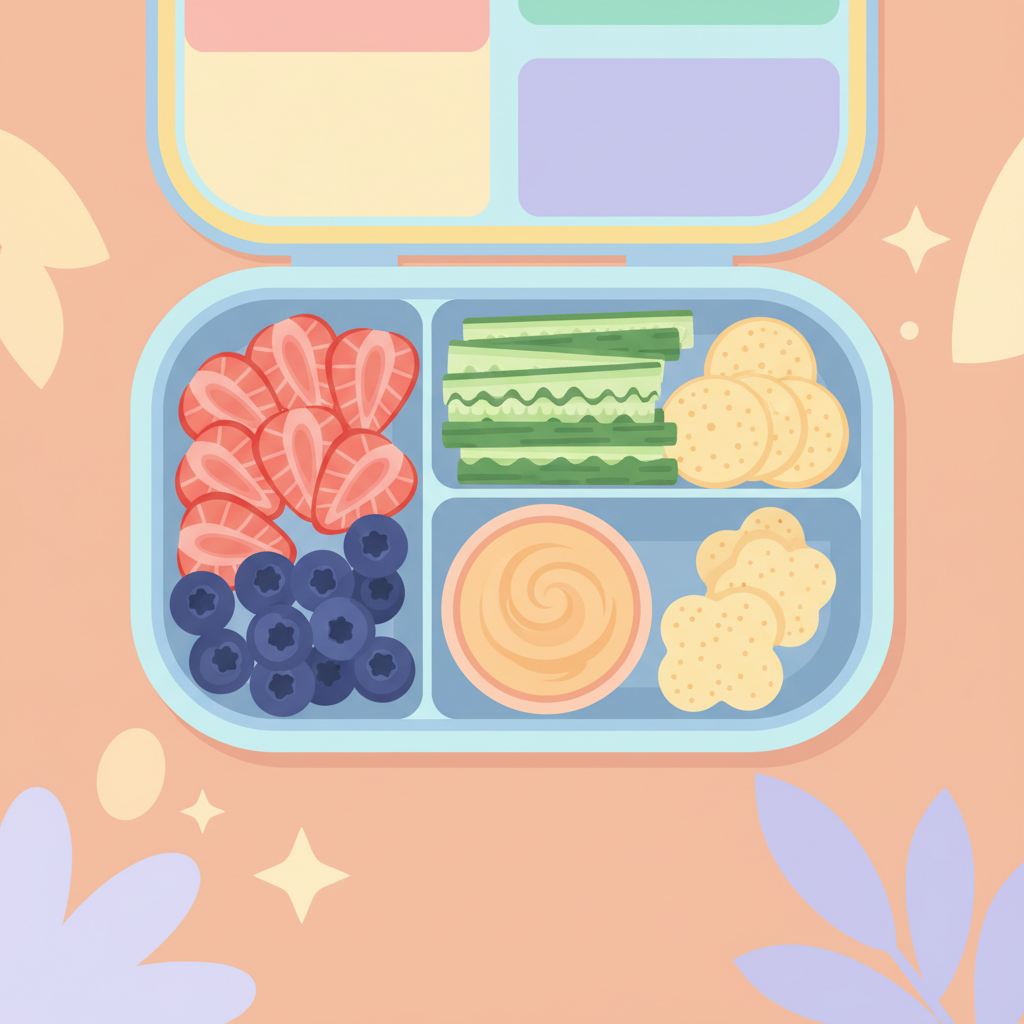
Bento boxes, with their compartmentalized sections, are ideal for packing a variety of safe snacks. This keeps different foods separate and appealing. You can pack a mix of savory and sweet items, ensuring your toddler has choices.
Keeping Snacks Fresh on the Go
For items like fruit slices, veggie sticks, or dairy-free yogurt, an insulated lunch bag with an ice pack is essential. This maintains food safety and freshness throughout the day, whether you're at the park or on a road trip.
Batch Prepping Snacks for the Week
Save time during the week by dedicating a portion of your weekend to snack prep. Wash and chop fruits and vegetables, roast chickpeas, or portion out crackers and dips. Store them in airtight containers in the refrigerator, ready to be grabbed.
When to Consult Your Pediatrician or Allergist
Managing food allergies is an ongoing journey. It's important to maintain open communication with your healthcare providers.
Discussing Severe Reactions
If your toddler experiences a severe allergic reaction, such as difficulty breathing, swelling of the face or throat, or a sudden drop in blood pressure, seek emergency medical attention immediately. For less severe reactions, have a plan in place with your doctor for when to seek care.
Introducing New Foods
When introducing any new food, especially for a child with known allergies, it's often recommended to do so under guided supervision, particularly if there's a history of severe reactions. Your pediatrician or allergist can provide specific advice on how to introduce potential new allergens or new brands of previously tolerated foods.
Ensuring Balanced Nutrition
Working with your pediatrician or a registered dietitian can help ensure your toddler is receiving a balanced diet despite their food restrictions. They can help identify any potential nutrient gaps and suggest safe, fortified alternatives or supplements if needed.
Managing dairy and egg allergies in toddlers doesn't have to be daunting. By understanding the basics of allergies, carefully reading labels, and utilizing these easy snack ideas, you can confidently provide your little one with safe, nutritious, and delicious options for every occasion. Remember, your pediatrician is your best resource for navigating your child's specific health needs.