Daycare Sick Child Policy: Essential Questions for Working Parents
Navigate daycare illness policies with confidence. Discover key questions about fever, vomiting, contagious symptoms, and return-to-care to protect your child and career.
The Impossible Math of When 'Sick' Means Home: Navigating Daycare Policies
It’s 7:03 AM. I’m logging into my daily stand-up, coffee in hand, already mentally running through my Q3 projections. Then, a little voice from the living room: “Mommy, my tummy hurts.” Instant cold sweat. This is the delicate dance of working motherhood – the fragile ecosystem where your professional life hinges on the minuscule, yet monumental, immune systems of your small humans. Let’s be real: the system most of us operate within wasn't built for this. Childcare providers have policies, and those policies dictate a significant portion of our workweek. Understanding the questions to ask about sick child policy at daycare isn't just good parenting; it's critical career management.
Why These Rules Matter More Than You Think
We all want our kids to be healthy, of course. But these daycare illness policy questions are about more than just your child’s sniffles. They’re about protecting the entire cohort. A single stomach bug can sweep through a classroom like wildfire, leading to chaos for dozens of families. And for us, as the working parents, this can mean a ripple effect of lost work hours, missed meetings, and the quiet anxiety of falling behind.
Protecting Your Child's Health
First and foremost, well-defined sick policies help ensure that children who are truly unwell get the rest and care they need at home. This means fewer complications and a quicker recovery. It also means reducing the risk of your child picking up another bug while they’re already run down.
Preventing Wider Outbreaks
Daycare centers are breeding grounds for germs. A clear policy helps prevent minor illnesses from turning into widespread epidemics that can shut down classrooms or even the entire facility for days. This protects not just your child, but all the children and staff.
Managing Your Work Commitments
This is where the math gets tricky for us. Every sniffle, every questionable cough, every “my tummy feels funny” can potentially mean a day – or more – away from your desk. Having crystal clarity on the what to ask daycare about sickness and their protocols makes this much less of a sudden disaster and more of a predictable challenge. It allows for better planning, fewer last-minute work disruptions, and a more sustainable integration of work and family life.
The Core Questions: When to Keep Your Child Home
This is the heart of the matter. What are the actual thresholds that trigger a “stay home” mandate? These policies are usually outlined in the parent handbook, but it’s crucial to discuss the nuances.
Fever Thresholds and Duration
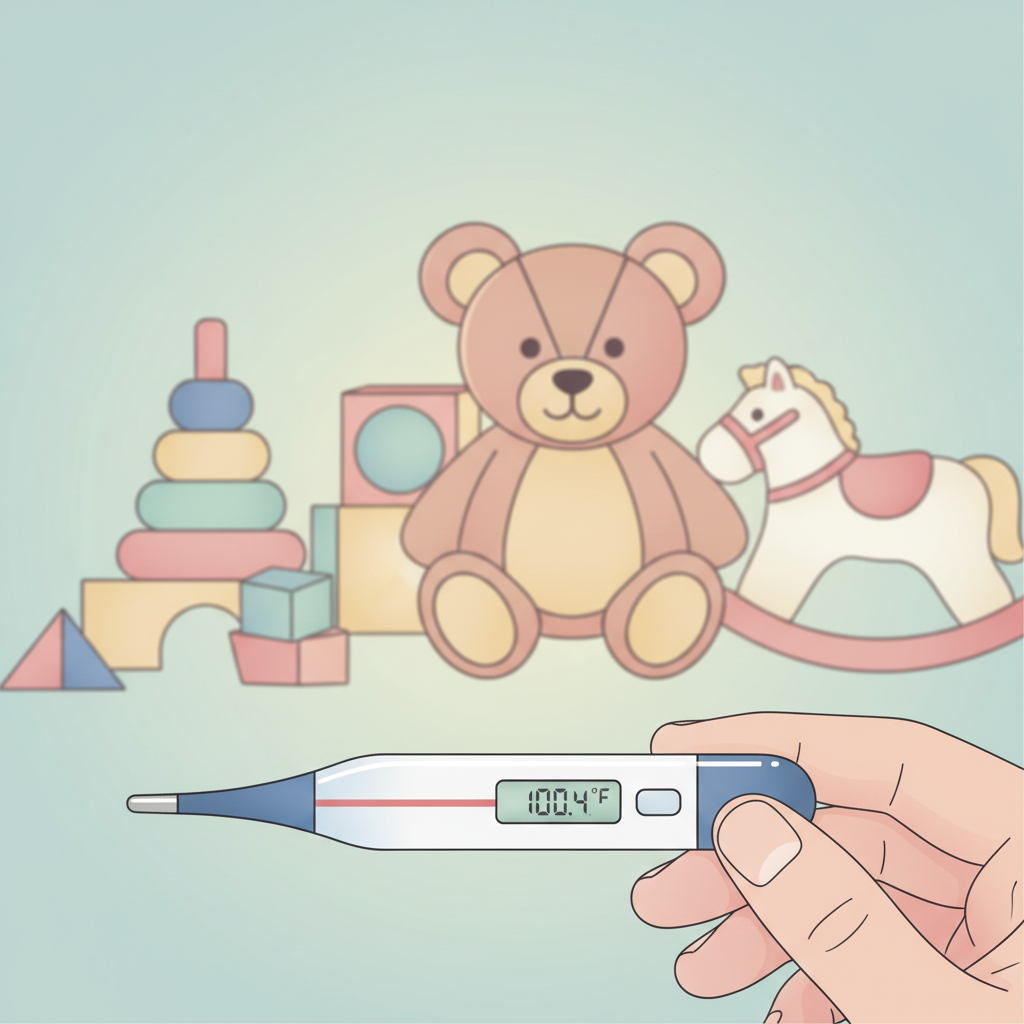
Most centers have a strict rule about fevers. Typically, it's a temperature of 100.4°F (38°C) or higher, taken orally. The critical component here is often the duration – usually, a child must be fever-free for at least 24 hours without the aid of fever-reducing medication before returning. This is a non-negotiable for most facilities.
Vomiting and Diarrhea Guidelines
Another common trigger for staying home is active vomiting or diarrhea. Policies often require a child to have had no episodes of either for a specific period, frequently 24 hours, and to be able to manage in the classroom environment. This prevents the spread of serious gastrointestinal illnesses.
Contagious Symptoms
Beyond fever and bodily fluids, a range of other symptoms can flag your child as too sick for daycare. This can include:
- Uncontrolled coughing or wheezing
- Sore throat with fever
- Vomiting or diarrhea
- Undiagnosed rash
- Conjunctivitis (pink eye) with discharge
- Lice or scabies
- Strep throat or other bacterial infections requiring 24 hours of antibiotics
When Are 'Special Circumstances' Okay?
This is where your judgment comes in, but always in conjunction with the daycare’s policy. Is a mild, non-feverish cough that’s clearly allergy-related different from a new, hacking cough? Sometimes, directors will allow some discretion, but it’s always best to err on the side of caution and communication. If you’re questioning it, it’s probably best to keep them home.
Return-to-Care: When is Your Child 'Better'?
This is the flip side of the coin. Just as important as knowing when to keep them home is understanding when they are well enough to return. Children are often contagious for a period before symptoms fully resolve, so these guidelines are there to protect everyone.
Fever-Free Without Medication
As mentioned, this is a big one. Being fever-free for a full 24 hours, without any Tylenol or Motrin helping you along, is usually the baseline.
Diarrhea Contained
If loose stools were the issue, they should be back to normal consistency and frequency, and able to be managed without constant accidents.
Contagious Symptoms Resolved
For things like pink eye, the discharge needs to have stopped, or the child needs to have been on antibiotics for at least 24 hours. For skin infections, they often need to be covered or have begun treatment.
Doctor's Note Requirements
Some daycare return to care policy documents require a doctor’s note for certain illnesses, especially if the child has been out for an extended period or has a diagnosed contagious condition. Clarify this upfront.
Medication Administration: What to Know
This can be a major point of confusion and anxiety. Managing medication at daycare requires clear protocols.
Can They Administer Medication?
Most licensed childcare facilities can administer prescription medication if it’s in the original pharmacy container with a clear label and a doctor’s order. Over-the-counter (OTC) medications are a bit trickier and policies vary widely. Some will administer them with a parent's written request; others strictly prohibit it to avoid masking symptoms or potential interactions.
What Forms Are Accepted?
If they do administer medication, how do they handle it? Most can handle liquid medications with appropriate dosing devices. For pills, it’s usually expected that the child can swallow them independently, or that they are crushable and mixable with a small amount of food.
Logging Medication
There should always be a log book where every dose administered is recorded – the time, the dosage, and by which staff member. This is a critical safety and accountability measure.
Emergency Medication (EpiPen, Inhaler)
This is usually handled differently. Facilities need to be equipped and staff trained to administer emergency medications like EpiPens for severe allergies or inhalers for asthma. This usually requires specific training and a detailed care plan from your doctor. You must ensure they are prepared for these eventualities.
Communication is Key: During Illness
When your child is sick and at daycare, or becomes ill during the day, clear and prompt communication is paramount. This is where having a solid system in place, as opposed to just hoping for the best, makes a huge difference.
How Will They Notify You of an Illness?
If your child starts showing symptoms during the day, how will you be contacted? Will it be a phone call, a text, or an app notification? What is their expected response time? The goal is to get your child picked up as quickly as possible to prevent them from getting sicker and to stop the spread.
Who is Your Point of Contact?
Is it the director, the lead teacher, or a designated nurse? Knowing who to speak to and who has the authority to make decisions about your child’s well-being is crucial.
Protocol for Significant Illness
What happens if your child develops a high fever, has trouble breathing, or experiences a significant allergic reaction while at the center? What are their emergency procedures? Do they call 911 first, or do they direct you to come immediately?
Staff Illness Policy
This is often overlooked. What is their policy if a staff member is ill? How do they ensure adequate coverage and prevent sick staff from caring for children? This protects everyone in the environment.
Putting It All Together: Your Daycare Sick Policy Checklist
Navigating the maze of daycare medication policy and illness protocols requires a proactive approach. Don’t wait until your child is sick to understand the rules.
Reviewing the Written Policy
Obtain a copy of the daycare’s official sick child policy and read it carefully. Pay attention to the specific definitions, timeframes, and requirements.
Discussing Nuances with the Director
Schedule a meeting with the director or administrator to go over the policy. Ask clarifying questions about gray areas, their philosophy on contagious illnesses, and their communication practices. This is your chance to understand their interpretation and enforcement.
Preparing for the Unexpected
Even with the clearest policy, there will be surprises. Build a robust support system. Have a backup caregiver in mind, understand your employer’s flexible work arrangements (if any), and mentally prepare for the fact that this is an unavoidable part of working parenthood. It’s not about avoiding the inevitable, but about having a strategy to manage it.
This isn't about aiming for an elusive "balance." It’s about building a functional system that acknowledges the realities of our dual roles. It’s about having the information that allows you to make informed decisions, not react with panic. Your version of success as both a professional and a parent includes understanding and advocating for clear, executable policies that protect your child, your career, and your peace of mind.