Drowsy But Awake: Gentle Newborn Sleep Method Explained
Discover the 'drowsy but awake' method for newborns. Learn what it is, its benefits, and how to gently guide your baby towards independent sleep.
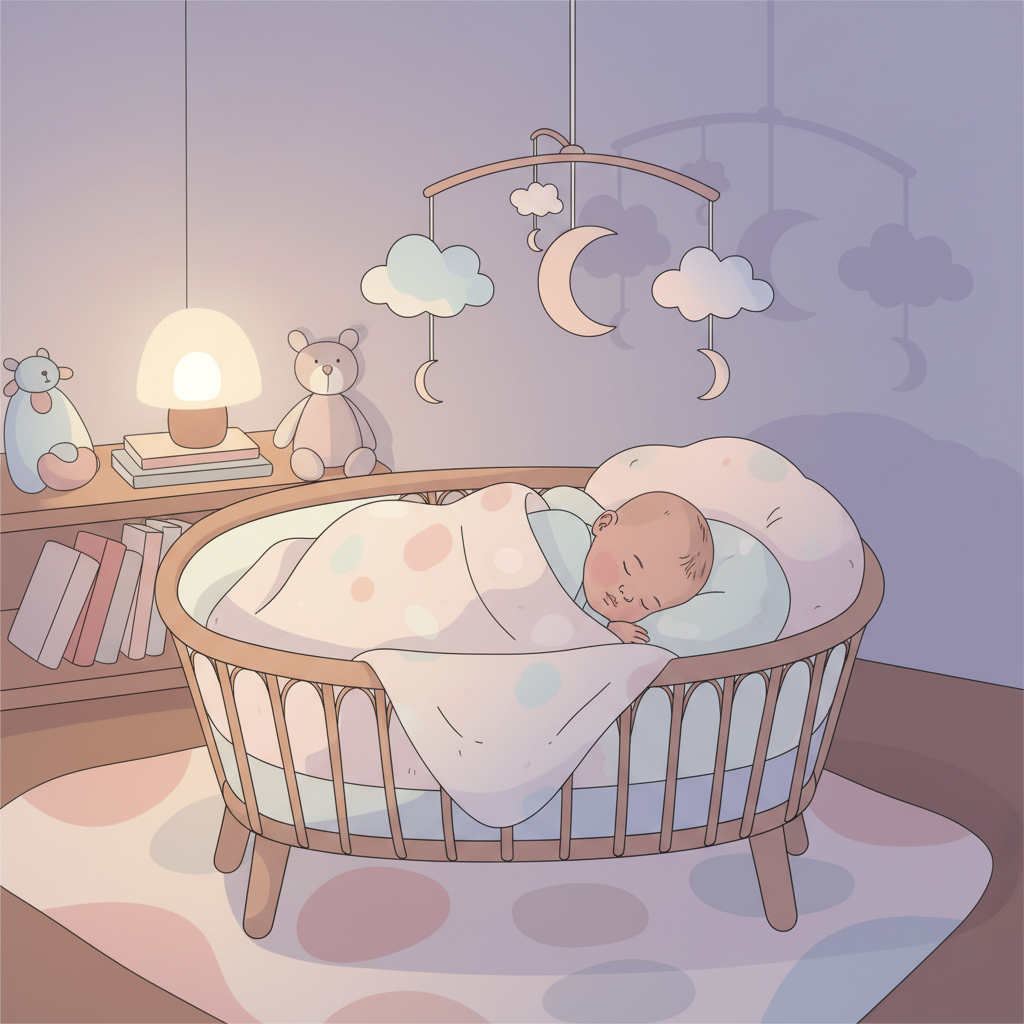
Drowsy But Awake: A Gentle Method for Newborn Sleep
It was 2:17 a.m. when I finally surrendered. Noah was a tiny, warm potato draped across my chest, his little sighs filling the hushed darkness of our Brooklyn apartment. My eyes burned, my brain felt like mush, and for the hundredth time that night, I rocked him, swayed him, shushed him, willing him to just go to sleep. The truth is, I had no idea what I was doing. And then, somewhere between a half-awake lullaby and the scent of baby lotion, a phrase popped into my head: "drowsy but awake method." It sounded almost… hopeful. What is this mythical "drowsy but awake method for newborns" anyway? Is it even possible?
Look, as a first-time mom to my sweet 9-month-old Noah, I’ve learned that sleep, especially in those early days, is less about perfectly executed plans and more about sheer survival. So, if you’re in the thick of it, rocking a tiny human at an ungodly hour, let’s talk about this whole "drowsy but awake" thing. It’s not magic, but it might just be the gentle nudge you and your baby need to get more rest.
So, What Exactly is "Drowsy But Awake"?
Honestly, the name pretty much says it all. It's the idea of putting your baby down to sleep when they are calm and sleepy but not fully asleep. Think of them as being on the verge of dreamland, their eyes getting heavy, their body relaxing, but they still have just enough awareness to notice they’re being placed in their crib or bassinet.
This is different from the kind of sleep training people often think of, where the goal is for the baby to put themselves completely to sleep from wide awake. The drowsy but awake method is much gentler, especially for newborns and younger infants. It’s about guiding them, not forcing them.
It's about encouraging your baby to start learning how to settle themselves down without needing to be rocked, fed, or held until they’re completely unconscious. This isn't about leaving your baby to cry it out in the traditional sense. It’s a much more gradual, supportive approach.
The Gentle Benefits for Baby (and You!)
The thought of my baby learning to self-soothe felt like a distant fantasy in those early weeks. But the drowsy but awake approach, even if imperfectly applied, can really make a difference.
- Encouraging Self-Soothing Skills: By putting them down when they're just drowsy, you’re giving them the opportunity to practice falling asleep independently. It’s like teaching them a new skill, one little nap at a time. They learn their crib is a safe place to drift off.
- Preventing Over-Tiredness: This one is huge, y’all. When babies get overtired, they actually have a harder time falling asleep and staying asleep. Putting them down when they're showing sleepy cues, but before they're completely exhausted, can help avoid that overtired spiral.
- Setting a Foundation for Healthier Sleep Habits: While intense sleep training is definitely not for newborns, this method can gently introduce the idea that sleep happens in their own sleep space. It’s a subtle way to build a foundation for more predictable sleep patterns down the road.
When Can You Start Trying This With Your Newborn?
This is where it gets a little fuzzy, because every baby is different. Newborns have wildly different sleep cycles than older babies and adults. They tend to sleep in shorter bursts and often need to eat every few hours, day and night.
In those first few weeks, the absolute priority is feeding your baby and keeping them safe and loved. The focus is on connection, bonding, and figuring out the basics of new parenthood. Don't stress about "training" them to sleep on a schedule.
However, you can start noticing things:
- Watch for Sleepy Cues: Yawning, rubbing eyes, fussiness, staring blankly, or losing interest in feeding are all signs your baby is getting tired.
- The First Few Weeks: It's more about responding to their immediate needs and keeping them comfortable. If they fall asleep in your arms during a feeding, that’s perfectly okay. The goal isn't rigid adherence, but gentle observation.
As your baby gets a little older, maybe around 6–8 weeks, you might notice patterns emerging, and that's when you can start gently experimenting with the drowsy but awake method.
Your Step-by-Step Guide to Drowsy But Awake
Okay, so you’re ready to give it a shot. You’ve noticed those sleepy cues, and your baby seems calm. Here’s how we can gently try to put them down.
- Recognize Sleep Cues: I’m talking about those tell-tale signs: the fluttering eyelids, the big yawns, the glazed-over look. When you see these, it’s go-time.
- The Bedtime/Naptime Routine Essentials: Even for newborns, a short, calming routine can signal that sleep time is approaching. This could be a warm bath, a gentle massage, a quiet feeding, and a soft lullaby. Keep it consistent and brief.
- The 'Put Down' Moment: This is the sweet spot. Once your baby is calm and noticeably drowsy after your routine, gently place them into their crib or bassinet. Try to do it smoothly, without waking them further.
- Handling Initial Protests (The Gentle Way): This is where real talk comes in. Most likely, your baby will stir or even fuss a bit when you put them down. The key here is to be present and reassuring, but not immediately scoop them up.
- Try patting their back gently.
- Offer a soft shush.
- If they have a pacifier, you can try offering that.
- Wait for a few moments to see if they resettle on their own. If they escalate, it’s okay to pick them up, calm them, and try again later or during the next wake window.
This isn't about "making" them sleep. It's about giving them the chance to learn that they can fall asleep in their own sleep space.
Common Hurdles and How to Navigate Them
Let’s be real: this isn’t always going to go perfectly. There will be nights (and days) when it feels like you’re not making any progress. That’s normal.
- When Baby Cries Immediately: This happens. If your baby lets out a cry the second they hit the mattress, it doesn't necessarily mean this method isn't for them. It might just mean they were more tired than you thought, or they startled. Try the soothing techniques mentioned above. If they can’t be soothed, it’s fine to pick them up to comfort them and re-evaluate. Maybe they need a little more closeness tonight.
- What if They Just Won't Settle?: If your baby is consistently upset, crying hard, and not settling within a reasonable timeframe (say, 5-10 minutes of gentle attempts), it’s okay to stop. You don't want to push them into distress. Sometimes, they might be hungry, need a diaper change, or are simply overtired or not feeling well.
- The Role of Pacifiers: Some parents find pacifiers helpful as a transitional tool. A baby who can keep a pacifier in their mouth may be able to soothe themselves back to sleep. Others prefer to avoid them to prevent dependency. It’s a personal choice. If you use one, try to put them down with it already in.
- Remembering This is a Learning Process: Your baby is learning a whole new way of being. They’ve spent nine months in a cozy, predictable womb. Adjusting to the outside world, and learning to fall asleep independently, takes time and patience. Some days will be better than others. Celebrate the small wins!
When to Call Your Pediatrician
While the drowsy but awake method is generally safe, there are times when professional advice is a good<bos> idea.
- Persistent Sleep Issues: If your baby is struggling significantly with sleep, showing signs of extreme discomfort, or if their sleep patterns are extremely erratic and concerning, it’s always worth a call to your pediatrician.
- Concerns About Baby's Overall Well-being: If you’re worried your baby isn’t feeding well, isn’t gaining weight appropriately, or seems generally unwell, sleep issues might be a symptom of something else. Pediatricians can help rule out any underlying medical concerns.
- Understanding Your Baby's Unique Needs: Every baby is an individual. Your pediatrician can offer guidance tailored to your child’s specific temperament and development. They can also address any societal or cultural nuances that might be impacting your family and sleep.
Navigating newborn sleep can feel like walking a tightrope, especially when you're running on fumes. The drowsy but awake method isn't a magic wand, but it's a gentle whisper of a strategy that can help your little one start building important sleep skills. Be kind to yourself, trust your instincts, and remember that you are enough. That quiet room, the smell of baby, the soft breathing – these are all part of the journey. Even when it’s 3 a.m., you’re doing an amazing job, mama. Keep breathing.