Adjust Baby Sleep Schedule After Vacation: A Parent's Guide
Traveling with a baby? Learn how to adjust your baby's sleep schedule after vacation time changes with gentle strategies for naps, routines, and daytime activity.
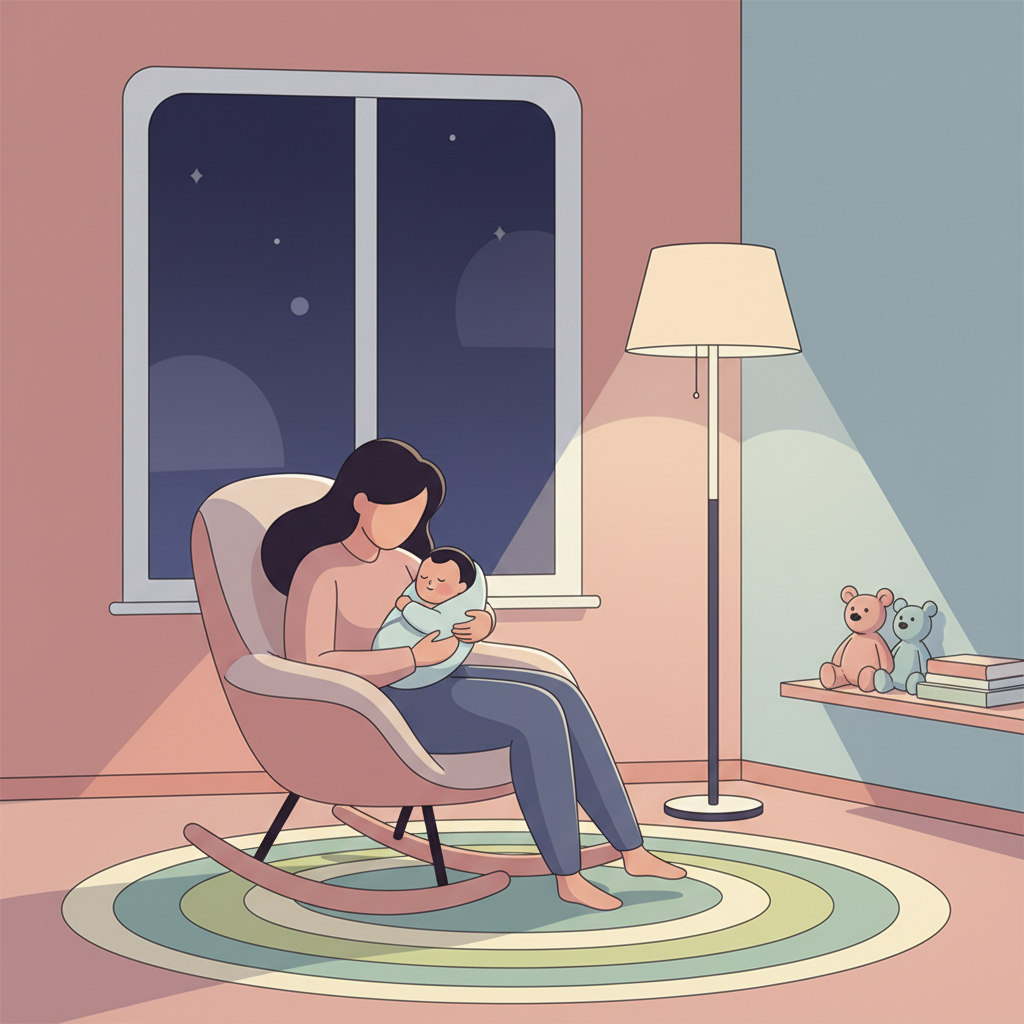
Welcome Home, Sleepyhead: Navigating the Baby Sleep Schedule After Vacation
It’s 2 AM and you’re staring at the ceiling. The house is quiet, but your baby is wide awake, treating 2 AM like it’s prime playtime. Sound familiar? Welcome back from vacation, I guess.
You envisioned a smooth re-entry: unpacking, grocery shopping, maybe even a shower that lasts longer than three minutes. Instead, you’re… here. In the dark. Wondering if you’ll ever sleep soundly again.
If you’re trying to figure out how to adjust baby sleep schedule after vacation time change, you're definitely not alone. This is the messy, unglamorous reality of parenting after travel. The Instagram photos are probably gorgeous, but the sleep reality? Not so much.
The Hangover: Why Baby Jet Lag is the Worst
Honestly, babies and time changes are a brutal combination. Their little bodies are still figuring out circadian rhythms, so throwing a wrench in that can be incredibly disruptive. It’s like they’ve got their own internal vacation clock that refuses to synch up with reality.
Think about your own jet lag. You feel groggy, out of sorts, maybe a little grumpy. Now imagine that, but you can’t articulate any of it. You just cry, get fussy, and refuse to sleep when you’re supposed to. That’s your sweet baby, trying their best to navigate a world that suddenly feels very… wrong.
This isn't just about a couple of lost hours. It's about their entire internal system being thrown off. Their hunger cues, their sleep drives, their overall mood – everything is impacted. It’s why trying to reset baby sleep after travel can feel like wrestling a slippery, adorable octopus.
Slowly, Gently: Finding Your Way Back to Sleep
Look, the temptation to just force it is so real. You want to snap your fingers and have your baby back on their normal schedule. But for most little ones, that’s not how it works. A gradual approach is usually the travel sleep schedule baby solution.
Here’s what worked for us when we were trying to reset baby sleep after travel:
- Small Shifts: Don’t try to yank their schedule back by three hours overnight. Instead, aim for small, consistent adjustments. Over a couple of days, try shifting bedtime and wake-up time by 15-30 minutes.
- Nap Guidance: Naps are often the first casualties of baby jet lag recovery. If your baby is suddenly fighting their usual nap times, try to nudge them gently. If they fall asleep a little earlier or later, roll with it and adjust the next nap accordingly.
- Consistent Routines: Even if the times are a little off, keeping your bedtime and naptime routines consistent can provide a sense of security. Bath, book, song – whatever your usual sequence is, stick to it. It’s a familiar anchor in a sea of upside-down.
The truth is, you’re looking for a gentle reintroduction to your old rhythm, not a shock to the system.
Daytime Wins for Nighttime Peace
What happens during the day significantly impacts how well your baby sleeps at night. This is true even when they’re not dealing with the fallout from a time change.
- Sunlight is Your Friend: Get outside! Natural light is one of the most powerful tools for resetting the body's internal clock. Even a short walk around the block can make a difference. Try to get some sun exposure soon after waking up.
- Feeding Schedules: Stick to your regular feeding times as much as possible. A well-fed baby is often a sleepier baby. Don’t let extended wake windows because of overtiredness lead to erratic feeding.
- Playtime and Activity: Ensure your baby has plenty of opportunities for active play during their awake times. This helps them expend energy and makes them more ready for sleep when the time comes. Tummy time, crawling practice, or just exploring their environment can be great for this.
If your baby is particularly sensitive, you might need to be extra diligent about these daytime strategies. They all work together to build a foundation for better sleep.
Knowing When to Hold 'Em, Knowing When to Fold 'Em
Real talk: there will be days when it feels like you're making zero progress. Your baby will be cranky, naps will be short, and bedtime battles will be epic. It’s easy to get discouraged during baby jet lag recovery.
Here’s your reminder: You are not failing.
Most of the time, this is a temporary phase. Your baby's internal clock will eventually catch up to the real world. However, there are times when it’s worth reaching out for professional guidance.
Consider calling your pediatrician if:
- Your baby's sleep disruption lasts for more than a week or two and is significantly impacting their overall well-being or yours.
- You notice changes in feeding patterns or a decrease in wet diapers.
- Your baby develops a fever or shows other signs of illness.
- You’re feeling overwhelmed and need personalized advice or reassurance.
But for the day-to-day craziness? Often, all it takes is patience and a heavy dose of self-compassion. You’re doing great, juggling travel recovery and all the other demands of motherhood.
Home again, home again, jiggety-jig. It’s a phrase that usually conjures images of unpacking and settling in, but for us new parents, it often means hitting the reset button on sleep. You’ve navigated a trip, adapted to new time zones (sort of), and now you’re tackling the ultimate re-entry challenge. Be kind to yourself. This phase is tough, but it’s also temporary. You and your little one will find your rhythm again.