Handling Toddler Biting Incidents Effectively in Daycare
Learn how to effectively handle toddler biting incidents at daycare. Understand common causes and discover strategies for collaboration with providers and positive reinforcement.
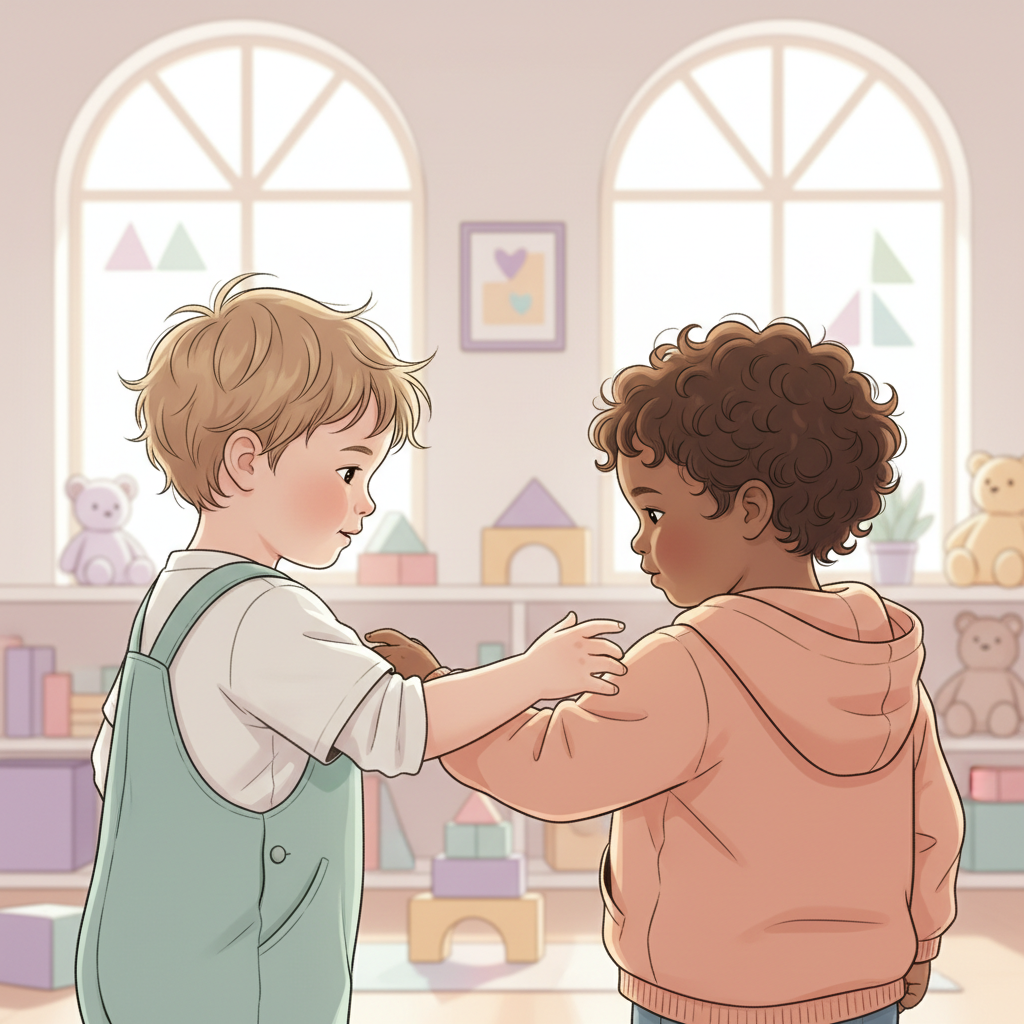
Navigating Toddler Bites: How to Handle Daycare Biting Incidents Effectively
With my first, Leo, a particularly sensitive soul, the word "bite" sent me into a spiral of panic. I pictured him as a tiny terror, forever labeled. By my fourth, Lily, a whirlwind of energy on her best days, a nip on the arm was more likely to earn an eye-roll and a sigh. Looking back, the truth nobody tells you is that toddler biting, while distressing, is often a fleeting developmental stage, not a permanent character flaw. If I could tell my younger self one thing, it would be to breathe and understand that this phase, like so many others, will pass.
Why Toddlers Bite: It's Usually Not About Being "Bad"
This is the part that trips up so many of us. We want to believe our little ones are little angels, so when they bite, it feels personal and alarming.
A Stage of Development, Not Definitive Behavior
Toddlers are in a whirlwind of learning. Their language skills are still catching up to their immense feelings and desires. Biting can be an impulsive reaction when they don't have the words to express frustration, anger, or even excitement. It’s not a calculated act of aggression; it’s often a clumsy, unrefined tool in their developing social toolkit.
The Power of Unmet Communication
Think about it: a toddler wants a toy. Another child has it. They reach, they push, they might even try to use words, but if those words aren't understood or don't get results fast enough, an instinctual, albeit regrettable, reaction can occur. Biting becomes a shortcut when their verbal "express lane" is blocked.
Overload and Exploration
Sometimes, toddlers bite out of sheer sensory overload or even a strange form of exploration. A busy daycare environment, with all its sights, sounds, and interactions, can be overwhelming. They might also be testing boundaries – yours, their friends', and their own. What happens if I bite? What reaction does it get? It’s a learning process, albeit an uncomfortable one for everyone involved.
The First Response: What Happens When a Bite Occurs
When you get that call or an educator pulls you aside at pickup, your first instinct might be to feel embarrassed or defensive. Try to hold onto that calm, mentor energy.
What Happens at Daycare
A good daycare will have a clear policy on what to do when a toddler bites. Ideally, the staff will immediately separate the children. The biting child is comforted and reassured, but not overly indulged in a way that might inadvertently reward the behavior. Crucially, the bitten child receives immediate attention, first aid, and comfort. You can expect the caregivers to observe and try to understand the circumstances that led to the bite. Choosing the right daycare provider is key to ensuring they have appropriate procedures.
When You Arrive
When you pick up your child, and especially if they were the biter, approach the conversation with a readiness to listen and collaborate. Avoid accusatory tones. Just ask, "Can you tell me what happened today?" Your educator should be able to walk you through the incident, explaining the context as best they understand it.
Looking After the Little Victim
The primary concern after a bite should always be the child who was hurt. You can ask, with genuine concern, about the care provided to the bitten child. This shows your understanding that while your child might have been the one to bite, the act itself caused harm, and you acknowledge that.
Collaborating with Your Childcare Provider
Think of your child's daycare educators as your partners in parenting. When a biting incident occurs, it's an opportunity to strengthen that partnership.
Setting the Stage for a Productive Chat
If the biting is a recurring issue, or if the initial explanation leaves you with questions, request a dedicated time to talk. This isn't a crisis meeting; it's a problem-solving session. Frame it like this: "I'd love to set up a brief chat to discuss how we can work together on [child's name]'s biting behavior."
Understanding Their Policy and Approach
Ask about their specific daycare biting policy. What are their immediate interventions? How do they work with children who bite? How do they support the children who are bitten? Understanding their established procedures helps you see their approach and how it aligns with your own. Be aware of potential red flags in a home daycare when selecting a provider.
Sharing Insights from Home
Your child’s behavior at daycare often mirrors their behavior at home, or it can be a reaction to something specific. Share what you're observing. "Lately, [child's name] has been having a tough time transitioning out of his bath," or "He seems to be biting when he’s tired or hungry." This information can be gold for the educators in identifying triggers.
Building Kinder Habits: Strategies to Decrease Biting
This is where the practical work comes in, both at home and school. Consistency is key.
Teaching Essential Skills
Start with simple, consistent language. "No biting. Hands are for hugging and playing gently." With younger toddlers, physical redirection might be necessary, gently taking their hand away from their mouth or guiding it to a safe object to chew. For older toddlers, calmly stating the rule and setting a short consequence (like a brief pause from the activity) can be effective.
Identifying Triggers and Offering Alternatives
This is the detective work. Does the biting happen during transitions? When sharing is expected? When they're tired or overstimulated? Make notes. Once you identify a pattern, you can proactively offer alternatives. If toy sharing is the issue, practice with toys at home. If overstimulation is the culprit, ensure they have a quiet space to retreat to. You might also find yourself exploring sensory-seeking toddler behaviors if overstimulation seems to be a recurring theme. If they seem to want to mouth things, provide safe chew toys.
The Power of Positive Reinforcement
Catch your child being good! When they use their words, share (even if imperfectly), or play gently, heap on the praise. "Wow, you told Sarah 'my turn' so nicely!" or "I love how you're sharing that truck." This positive attention for desired behaviors is often more impactful than the attention, even negative, for biting.
Knowing When to Seek Deeper Understanding
While biting is common, there are times when it warrants a closer look.
Signs It's More Than a Phase
If the biting is extremely frequent, aggressive, and shows no signs of lessening despite consistent intervention, or if your child seems to be biting for no discernible reason, it might be time to explore further. When biting is accompanied by significant developmental delays, or other concerning behaviors, it's definitely worth investigating.
A Conversation with Your Pediatrician
Your pediatrician is a valuable resource. They can help assess whether the biting might be linked to any underlying developmental issues, sensory processing challenges like those seen in sensory seeking toddlers, or even medical conditions. They can also offer reassurance and direct you to appropriate specialists if needed. Research suggests that most biting incidents are developmental and resolve with consistent support.
Finding Your Support Network
Parenting a toddler, especially one going through a challenging phase like biting, can feel isolating. Connect with other parents. Join a local parenting group or online forum. Sometimes, just knowing you aren't alone and hearing how others navigated similar situations can be incredibly empowering. There are also professional parenting coaches and child development specialists who can offer tailored guidance.
This journey of raising children is full of twists and turns. The biting phase is a common, often challenging, but ultimately surmountable hurdle. Approach it with patience, understanding, and a collaborative spirit, and you'll help your little one navigate these big emotions and grow into a more communicative, gentle human being. You've got this.