Help Baby Sleep Through Teething Pain: Safe Soothing Tips
Discover safe and gentle ways to help your baby sleep through teething pain. Learn soothing techniques, when to seek pediatrician advice, and how to create a comfortable sleep environment.
Navigating Sleepless Nights: How to Help Baby Sleep Through Teething Pain Safely
Your baby is unusually fussy, drooling excessively, and waking frequently at night. Could it be teething? Those emerging teeth can bring a wave of discomfort for little ones, often leading to disrupted sleep for the whole family. Understanding how to ease teething pain and support your baby's sleep through these phases is key.
What's Happening When Teething Strikes?
Teething is the process where a baby's first teeth emerge through their gums. While it's a normal developmental milestone, it can be an uncomfortable one. The pressure from the tooth pushing through the gum tissue can cause significant discomfort for your baby.
Beyond the classic signs of irritability and a desire to chew on everything, teething symptoms can include:
- Increased drooling: Babies may drool much more than usual.
- Gums that are swollen and tender: You might notice redness or puffiness in your baby's gums where the tooth is coming in.
- A desire to chew: Your baby may repeatedly put things in their mouth to try and relieve gum pressure.
- Mild rash: Excessive drooling can sometimes lead to a mild rash around the mouth and chin.
- Slightly disturbed sleep: This is often the most noticeable symptom for parents, as babies may wake more often or have trouble settling.
It's important to differentiate between teething discomfort and other potential illnesses. Teething typically does not cause high fevers or significant digestive upset like diarrhea.
Gentle Ways to Soothe Teething Gums
When your baby is experiencing teething pain, comfort is paramount. The American Academy of Pediatrics (AAP) suggests several safe and gentle approaches to help alleviate gum discomfort. The goal is to provide relief without resorting to medications unless strictly necessary and advised by your pediatrician.
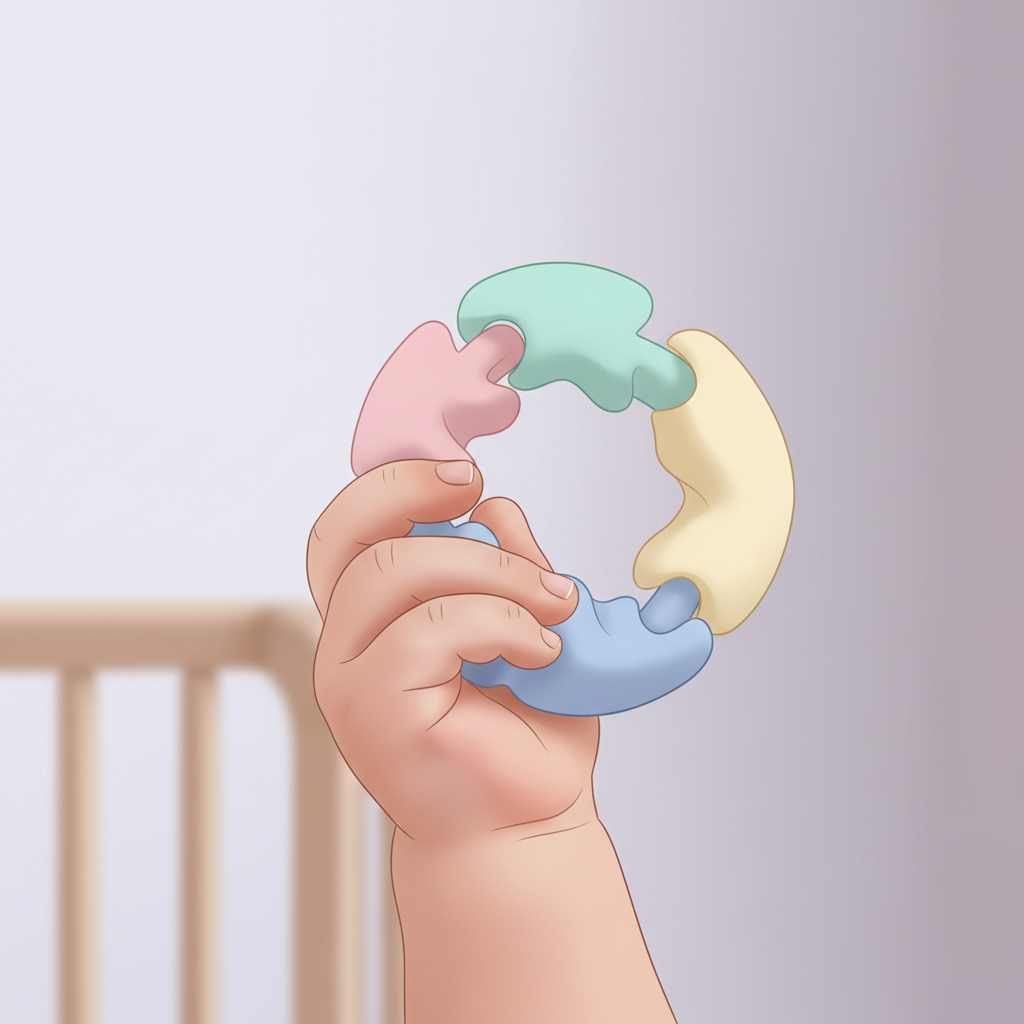
When seeking baby teething remedies, focus on cooling and pressure. A clean finger, gently massaged over the swollen gums, can offer some relief. For older infants who are already eating solids, offering a cool, damp washcloth to gnaw on can be soothing. Some parents find that chilled (not frozen) teething rings made of firm rubber can be effective.
Creating a Comfortable Sleep Environment for a Teething Baby
Sleepless nights are tough, but creating a supportive sleep environment can help your baby settle back to sleep. When it's time for sleep, the focus shifts to comfort and ensuring a safe sleep space.
Cooling comforts beyond teething toys can also play a role. A slightly cooler room temperature can sometimes feel more conducive to sleep. For very young infants, ensure their sleep space is free of loose bedding, bumpers, and blankets to adhere to safe sleep guidelines. The AAP's guidelines for safe infant sleep are always the priority, even when managing teething symptoms.
Gentle massage techniques can sometimes help relax an uncomfortable baby. A gentle back rub or rocking motion might be soothing. Avoid any overly stimulating play close to bedtime, even if your baby seems restless. The aim is to signal to your baby that it's time to wind down and rest.
Recognizing When to Seek Pediatrician Advice
While teething is a common cause of disrupted sleep, it's crucial to know when to consult your pediatrician. Sometimes, symptoms that seem like teething could be indicative of an illness.
The AAP provides clear guidance on fevers in infants. A temperature of 100.4°F (38°C) or higher measured rectally in an infant under 3 months old is a call to action. For babies between 3 and 6 months, any fever over 102°F (38.9°C) warrants a call. After 6 months, while fevers can be concerning, how your baby is behaving—their energy level, hydration, and responsiveness—becomes a more significant factor.
Signs that suggest your baby might be ill rather than just teething include:
- A high fever (as defined above by age).
- Diarrhea or vomiting.
- Unusual lethargy or difficulty waking.
- Refusal to feed.
- Rash that doesn't improve or spreads.
- Signs of dehydration, such as fewer wet diapers than usual.
If you're ever in doubt, or if your baby's symptoms seem severe or prolonged, it's always best to check with your pediatrician. They can help differentiate between teething discomfort and a more serious issue.
Setting the Stage for Restful Sleep Amidst Teething
Maintaining predictable routines can be a lifeline when your baby is going through developmental phases like teething. Even when sleep is disrupted, try to stick to your established bedtime and naptime rituals as much as possible. This consistency helps signal to your baby that it's time for sleep.
For naptime considerations, be flexible but aim for consistency. If your baby is particularly distressed, a shorter nap might be all they can manage, and that's okay. You can often make up for missed nap time with a slightly earlier bedtime if needed. The goal is to offer comfort and opportunities for rest without creating new, disruptive sleep habits.
A calming bedtime routine – perhaps a warm bath, a quiet story, or a gentle lullaby – can help prepare your baby for sleep, even if they're experiencing discomfort. Dim lighting and a quiet environment further reinforce the message that it's time to rest.
Navigating these nights requires patience and a focus on safe, gentle comfort. By understanding the signs, employing soothing techniques, and knowing when to seek professional advice, you can work toward helping your baby find sleep through teething pain. Remember, this is a temporary phase, and with a little support, you and your little one will get through it.
Always consult with your pediatrician for personalized advice regarding your child's health and comfort.