Transition Baby From Contact Naps to Crib Naps: Gentle Guide
Discover gentle strategies to transition your baby from contact naps to crib naps. Learn about sleep cues, routines, and tips for a smoother sleep journey for you both.
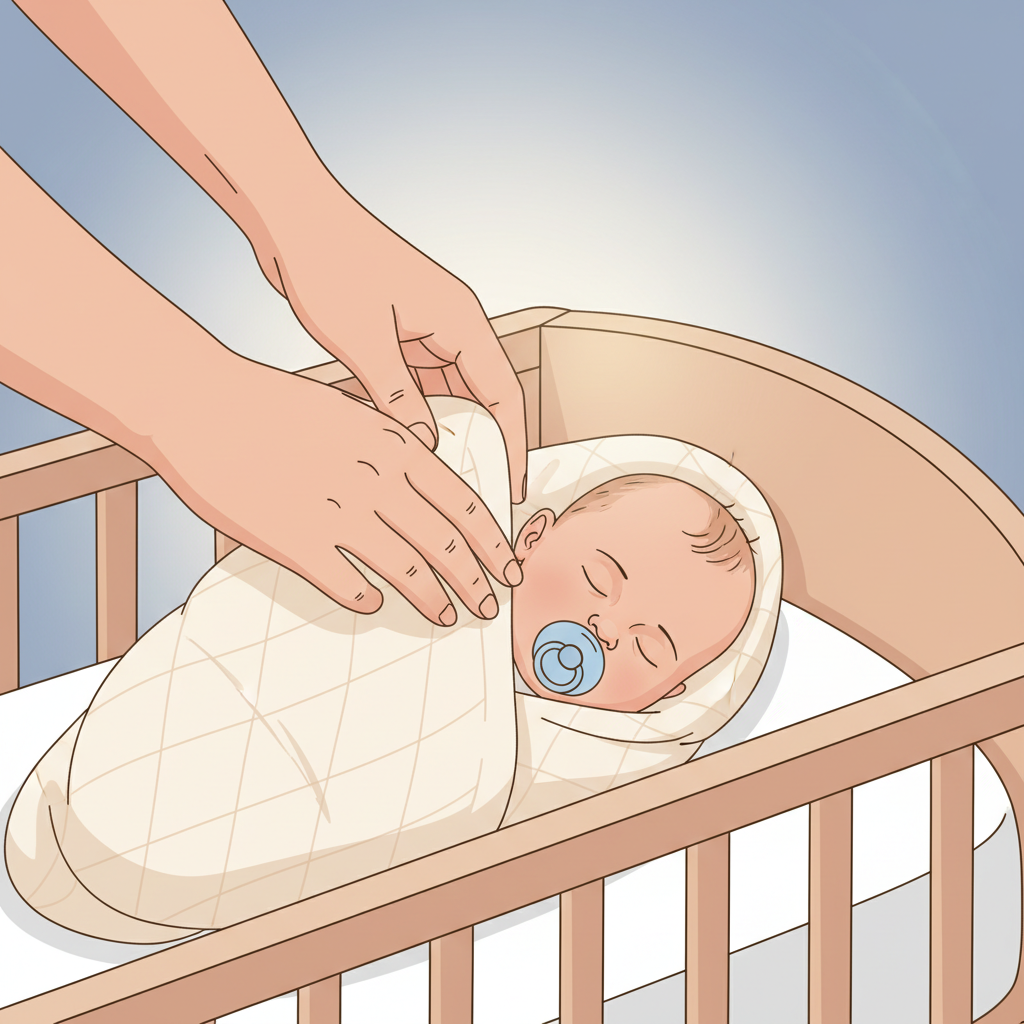
It was 4:17 a.m. when Noah, my sweet 9-month-old, finally stirred. I'd been holding him for what felt like an eternity, lulled by his gentle breathing and the soft glow of my phone screen. My entire body ached, a familiar hum of bone-deep exhaustion. But then he shifted, his little fingers unfurling from my shirt, and it hit me: this amazing, beautiful, utterly exhausting phase of constant contact naps was starting to feel like a roadblock. I found myself Googling "how to transition baby from contact naps to crib naps" for the hundredth time.
Look, I’m not going to lie. Contact naps are pure magic for so many reasons. They’re the ultimate bonding time, a sweet symphony of tiny snores and the comforting weight of your baby against your chest. For a long time, they were my lifeline. When Noah was a tiny newborn, he only slept on me. And honestly? I loved it. It felt primal, necessary.
But as he grew, so did my desire to have two hands free again. To maybe, just maybe, pee with the door closed, or finish a cup of coffee while it was still hot. The truth is, while contact naps are wonderful, there comes a time when you and your baby might benefit from a change.
So, When is it Time to Consider the Shift?
There isn’t a magic age, but a few things might signal that it’s time to explore teaching your baby to nap alone.
- Your own well-being is suffering. Are you so exhausted you can barely function? Is your back in knots from holding a growing baby for hours? Your needs matter too, mama.
- Baby is outgrowing the stage of needing constant physical closeness for sleep. Most babies are ready to explore independent sleep around 4-6 months, though some take longer. You might also be interested in learning about how to adjust newborn sleep schedule for daylight saving time fall.
- You’re struggling to get anything done. If you're tethered to your baby for naps and it's impacting your ability to manage daily life, it might be time for a gentle nudge.
Is Your Little One Ready for the Great Nap Migration?
Developmentally, babies start to sleep much more effectively as they get older. They develop better self-soothing skills (which, spoiler alert, you’ll help them build!). You might notice your baby can stay awake for longer periods and is starting to show more consistent sleep cues. This is a good sign they might be ready to accept the idea of a crib nap. This is especially true after the infamous 4 month sleep regression why naps are short what to do.
Setting the Stage for Smoother Sleep
Before you even think about putting your baby down in their crib, setting the right environment is crucial. Think of it as creating a little sleep sanctuary.
Your Baby’s Dream Den
This means making their crib sleep space as cozy and conducive to sleep as possible. Ensure you have a good organic waterproof mattress protector for baby crib chemical free.
- Darkness is your friend. Blackout curtains are a game-changer. The darker the room, the more melatonin (the sleep hormone) your baby can produce.
- Sound machines are key. A white noise machine can mimic the womb environment and block out household noises, helping your baby stay asleep longer.
- Temperature control. Make sure the room is at a comfortable temperature, generally between 68-72°F (20-22°C).
- Safety first, always. Ensure the crib is empty — no blankets, pillows, or stuffed animals for babies under one year.
The Power of a Naptime Ritual
Babies thrive on predictability. A consistent naptime routine, even if it's short, signals to your baby that it’s time to wind down and prepare for sleep. It doesn't have to be elaborate.
- A diaper change.
- A quick, quiet story.
- A lullaby or two.
- A final snuggle before bed.
This predictable sequence helps calm their busy little minds.
Reading the Room: Spotting Those Sleepy Cues
This is where you become a baby sleep detective! Learning your baby's individual sleepy cues is vital for success. Don't wait until they're overtired, as this makes it much harder for them to settle.
Watch for things like:
- Rubbing eyes
- Yawning
- Staring into space
- Becoming fussy or clingy
- Decreased activity
The moment you see these, it’s go-time for nap preparation.
The Gradual Descent: Gently Moving to the Crib
Okay, you've prepped the crib and mastered the routine. Now for the practical part of the gentle nap transition baby needs. The key here is gradual. Nobody wants to shock their little one into a complete meltdown.
The Golden Rule: Drowsy But Awake
This is the most cited piece of advice for a reason. The goal is to get your baby almost asleep in your arms, but not quite. You want them to be relaxed and sleepy, but still aware enough to register that they are being placed into their crib.
- Hold them, rock them, sing to them until they are clearly drowsy.
- As they start to drift off, gently transfer them into their crib.
- If they stir, you can try a little patting or shushing in the crib before you decide to pick them back up.
It’s a delicate dance, and it takes practice.
Shortening the Snuggles
As you practice drowsy-but-awake, you can also start to gradually shorten the amount of time you hold your baby to fully sleep.
- If you usually hold them until they’re fast asleep, try putting them down once they’re just starting to nod off.
- The next few days, aim to put them down even a minute or two earlier.
- This slowly teaches them to associate their crib with falling asleep, rather than just mommy’s arms.
Introducing Crib Time in Short Bursts
Don't expect perfect, lengthy crib naps from day one. Start small.
- Try putting your baby down for just 10-15 minutes.
- If they wake up happy or resettle quickly, great!
- If they fuss, you support them. But the goal is to get them used to the sensation of crib sleeping.
- You can always extend the time as they become more comfortable. This is how you gently teach baby to nap alone.
Navigating the Bumps and Cries
There will absolutely be days when it feels like you’re taking two steps forward and three steps back. Resistance is normal. Your baby is used to the comfort and closeness of napping on you.
When the Waterworks Start
It’s heartbreaking when your baby cries, but it doesn’t always mean they’re in distress. Sometimes, it’s just frustration or protest.
- Assess the situation. Are they truly upset, or just letting you know they don’t love this new plan?
- Offer comfort in the crib. You can try patting, shushing, or singing while they are still in their crib.
- If they remain inconsolable, pick them up to calm them. Once they are calm, try putting them down again. This is how to transition baby from contact naps to crib naps without causing undue stress.
Comfort vs. Letting Them Settle
This is the million-dollar question, isn’t it? When do you swoop in, and when do you let them work it out?
- If your baby cries for a few minutes and then quiets down or goes back to sleep, that’s a win! They are learning to self-soothe.
- If they are crying hard and inconsolably, or if they are clearly distraught, it’s okay to comfort them. You are not creating a rod for your own back; you are responding to your baby’s needs.
- The key is to be responsive and supportive, not to let them cry themselves into oblivion. This is a sensitive transition, and you don’t want to stop contact napping baby by scaring them.
The Unshakeable Power of Consistency
Whatever approach you choose, the most important thing is to stick with it. Your baby needs to understand what to expect.
- Decide on your method for handling wake-ups and resistance and apply it consistently for every nap.
- This doesn't mean being rigid or ignoring your baby's needs. It means having a plan and following through.
- Consistency builds trust and helps your baby learn new sleep habits more quickly.
Knowing When to Seek Professional Advice
While most nap transitions can be navigated with patience and a good strategy, there are times when it’s appropriate to reach out to your pediatrician.
Red Flags for Sleep Health
If your baby is exhibiting any of the following, it's worth a conversation:
- Extreme difficulty falling asleep or staying asleep, even with support.
- Frequent night wakings that are difficult to settle.
- Loud snoring, gasping, or pauses in breathing during sleep.
- Any concerns about their overall health or development impacting sleep.
Understanding What's "Normal"
Pediatricians are a fantastic resource for understanding your baby's individual sleep needs and patterns. They can help rule out underlying medical issues and offer guidance tailored to your child. Research suggests that a variety of sleep patterns are normal, and it's important to remember that your pediatrician has seen it all. For instance, learning questions to ask a certified nurse midwife at first ob appointment can help you prepare for these conversations later.
A Hug for Your Tired Heart
This journey is one of the most challenging, beautiful things you'll ever do. Transitioning your baby from contact naps to crib naps is a marathon, not a sprint. There will be good days and bad days, and that is perfectly okay.
Navigating the Ups and (Many) Downs
Some days, your baby will go down like a dream. Other days, it will feel like you’re wrestling an octopus and they’ll still wake up after 15 minutes.
- Don’t get discouraged by setbacks. They are just part of the process.
- Remember why you’re doing this: for better sleep for both of you, and to foster your baby’s developing independence.
Acknowledge Those Tiny Victories
Did your baby stay asleep for an extra 10 minutes in their crib today? Did they only fuss for a minute before settling? Celebrate it! Every little bit of progress counts.
My own journey with Noah took months, and there were days I wanted to pull my hair out. But slowly, gently, he started to understand. And I started to feel more rested, more like myself. If you are worried about your baby's development, remember that when does a toddler usually start speaking in full sentences is just one of many milestones.
And to you, mama, reading this at 3 a.m. or during a fussy awake window: you are doing so much better than you think. This is hard. This is messy. And you are giving your baby everything they need, every single day. You’ve got this.