FSA Funds for Baby's OTC Needs: What You Can Buy
Discover how to use FSA funds for over-the-counter baby items like pain relievers, rash creams, and cold remedies. Maximize your pre-tax dollars for baby's health.
Your FSA & Baby's OTC Needs: What You Can Actually Buy
In 5 minutes, you'll know exactly which over-the-counter baby essentials you can snag with your FSA funds, and which categories require a little more digging. As a mom of twins and a former consultant, I’ve wrangled my fair share of complex benefits. My promise? To save you hours of deciphering confusing FSA rules so you can confidently spend your pre-tax dollars on what your little one needs. The question of how to use FSA funds for over-the-counter baby items is common, and the answer is simpler than most make it out to be, especially after recent changes.
Let's cut through the jargon and get down to brass tacks.
Unpacking Your FSA: The Nitty-Gritty
First things first, what exactly is a Flexible Spending Account (FSA)? It's a pre-tax benefit account offered by many employers, allowing you to set aside money to pay for eligible healthcare expenses. The big win here is that saving money on taxes means more money for diapers, wipes, and that inevitable rash cream.
Key Rules for FSA Spending
Your FSA isn't a free-for-all. There are some fundamental rules:
- Use It or Lose It: This is the big one. Most FSAs have a deadline at the end of the year (or a grace period/rollover provision, depending on your plan) to use your funds. Unspent money typically disappears.
- Eligible Expenses Only: You can only spend FSA money on IRS-approved medical, dental, and vision expenses. This varies by plan, but there’s a general list.
- Documentation is Key: You’ll often need receipts and an Explanation of Benefits (EOB) to prove your purchases were eligible, especially if you pay out-of-pocket and seek reimbursement.
FSA-Eligible Baby & Toddler Health Essentials
This is where you can really leverage your FSA. Think of items that directly address a health condition or are specifically for medical care.
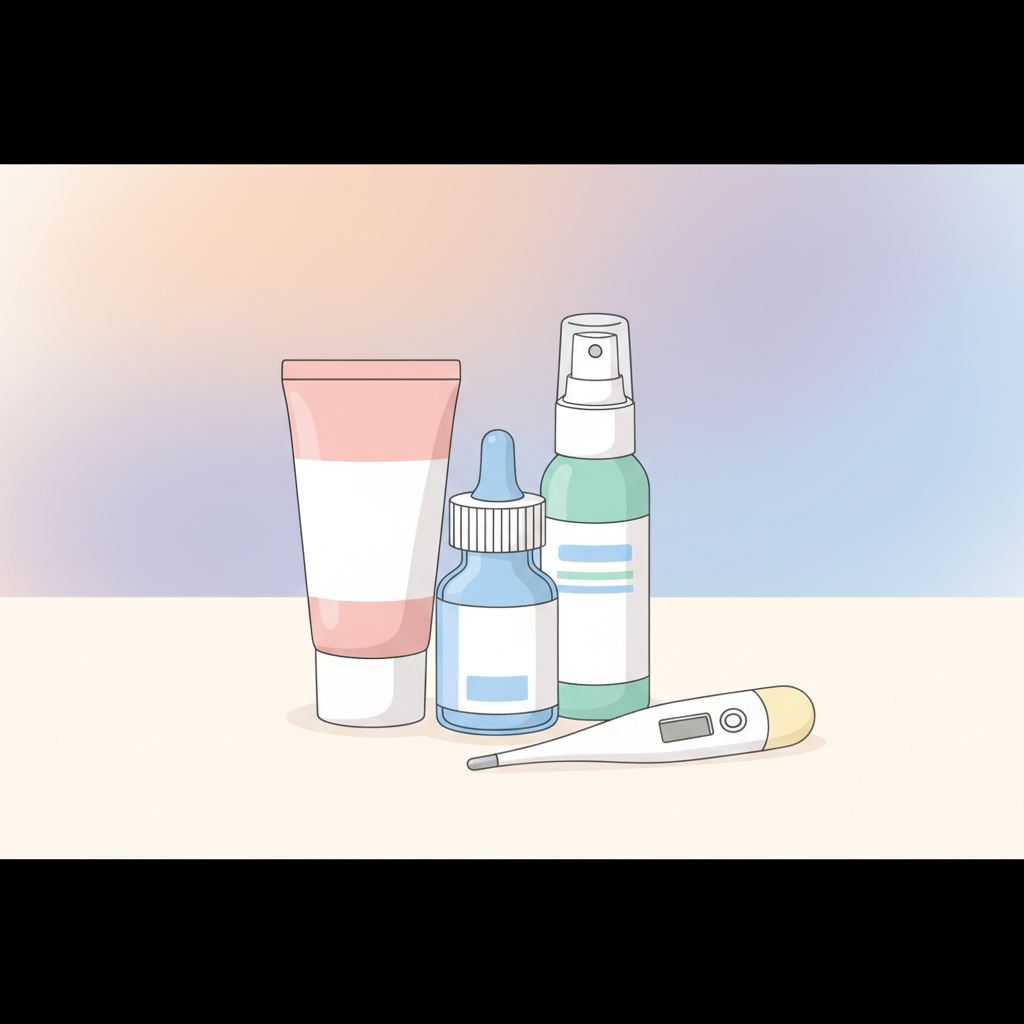
- Diaper Rash Treatments: Creams and ointments specifically designed to treat or prevent diaper rash are generally eligible.
- Infant Pain & Fever Relievers: Acetaminophen (Tylenol) and ibuprofen (Motrin, Advil) for infants and toddlers. This includes drops, suspensions, and chewables.
- Saline Nasal Sprays & Drops: For clearing congestion in babies and young children.
- Aspirators & Nasal Syringes: Devices used to remove mucus from a baby’s nose.
- Thermometers: Digital, temporal, or forehead thermometers used to monitor a child’s temperature for fever.
These are often considered FSA eligible baby products because they are direct medical care items.
Common Baby Care Items Covered by FSA
Beyond direct medical treatments, certain common baby care items fall under the eligible umbrella. The key criteria is often that they are primarily for medical care or are therapeutic.
- Contact Lens Solution: If you wear contacts, this is an easy one.
- Lactation Supplies: Breast pumps, milk storage bags, and other supplies related to breastfeeding are eligible. This is a major win for nursing mothers.
- Prescription Medications: This is standard FSA territory, but worth mentioning if your baby needs something specific.
- Over-the-counter Medications: Since the CARES Act, many more OTC medications are eligible without a prescription. This is a crucial category for baby care.
These fall under the umbrella of FSA eligible OTC items, offering significant savings.
Navigating Recent FSA Changes: What’s New for OTC Purchases?
This is the game-changer for parents. Before the CARES Act, many over-the-counter items required a prescription to be eligible for FSA reimbursement. That’s a hassle no parent has time for.
What's New for OTC Purchases
Thanks to the Coronavirus Aid, Relief, and Economic Security (CARES) Act, effective January 1, 2020, most over-the-counter medicines and drugs are eligible for reimbursement without a prescription. This significantly broadens what you can buy with your FSA when it comes to baby essentials.
This means:
- Common Cold & Flu Remedies: Multi-symptom relief, cough drops, decongestants (check ingredients to ensure they are appropriate for young children if for them).
- Allergy Medications: Antihistamines for spring allergies or other reactions.
- First Aid Supplies: Antiseptic wipes, bandages, gauze, and sterile pads.
- Digestive Aids: Anti-gas drops (like simethicone) for infant discomfort.
So, if you're wondering what can I buy with FSA for baby in terms of general health and wellness, the list just got a lot longer. This clarification makes utilizing your Flexible Spending Account baby essentials much more straightforward.
Tips for Maximizing Your FSA for Baby Gear
Don't let your hard-earned FSA money go to waste. Here’s how to get the most bang for your pre-tax buck.
- Plan Ahead: Before the end of your employer's enrollment period, estimate your and your family's likely healthcare expenses for the year. For baby, think about common needs like diaper rash cream, fever reducers, and any specific sensitivities.
- Keep All Receipts: Even if you use an FSA debit card, hold onto your itemized receipts. For online purchases, print order confirmations. This is your proof if your administrator questions an expense.
- Check Your FSA Plan Details: While the CARES Act expanded eligibility, some plans might have nuances. Always refer to your specific plan documents or administrator for the most accurate information.
- Prioritize Health Over Convenience: While things like baby carriers or specific breastfeeding pillows might seem like needs, focus your FSA on items that are definitively medical or therapeutic. However, if your plan explicitly lists certain items, go for it.
- Buy in Bulk (Strategically): If you know you'll go through a lot of diaper rash cream or saline drops, and your FSA period allows, consider purchasing a larger quantity within the eligible timeframe. Just ensure you'll use it.
When to Consult Your FSA Administrator or Doctor
Navigating FSA rules can sometimes feel like a puzzle. When in doubt, reach out to the experts.
- For FSA Eligibility Questions: Your FSA administrator is your primary resource. They can provide a definitive list of eligible expenses according to your specific plan and IRS guidelines. Never guess; ask them directly.
- For Medical Appropriateness: Always consult your pediatrician or doctor before giving your baby any medication, even over-the-counter remedies. They can advise on safe dosages and appropriate treatments for your child's specific needs. They can also confirm if a particular item is medically necessary.
Remember, your FSA is a fantastic tool to save money on healthcare. By understanding what's eligible, especially with the recent expansion of OTC items, you can confidently cover many of your baby's health and wellness needs.
A final thought: your pre-tax dollars are a valuable benefit. By being informed about FSA eligible baby products, you can ensure you're making the most of them for your growing family.