Manage C-Section Scar Sensitivity & Phantom Itching
Discover gentle strategies for managing c-section scar sensitivity and phantom itching during postpartum recovery. Find relief and support for your healing journey.
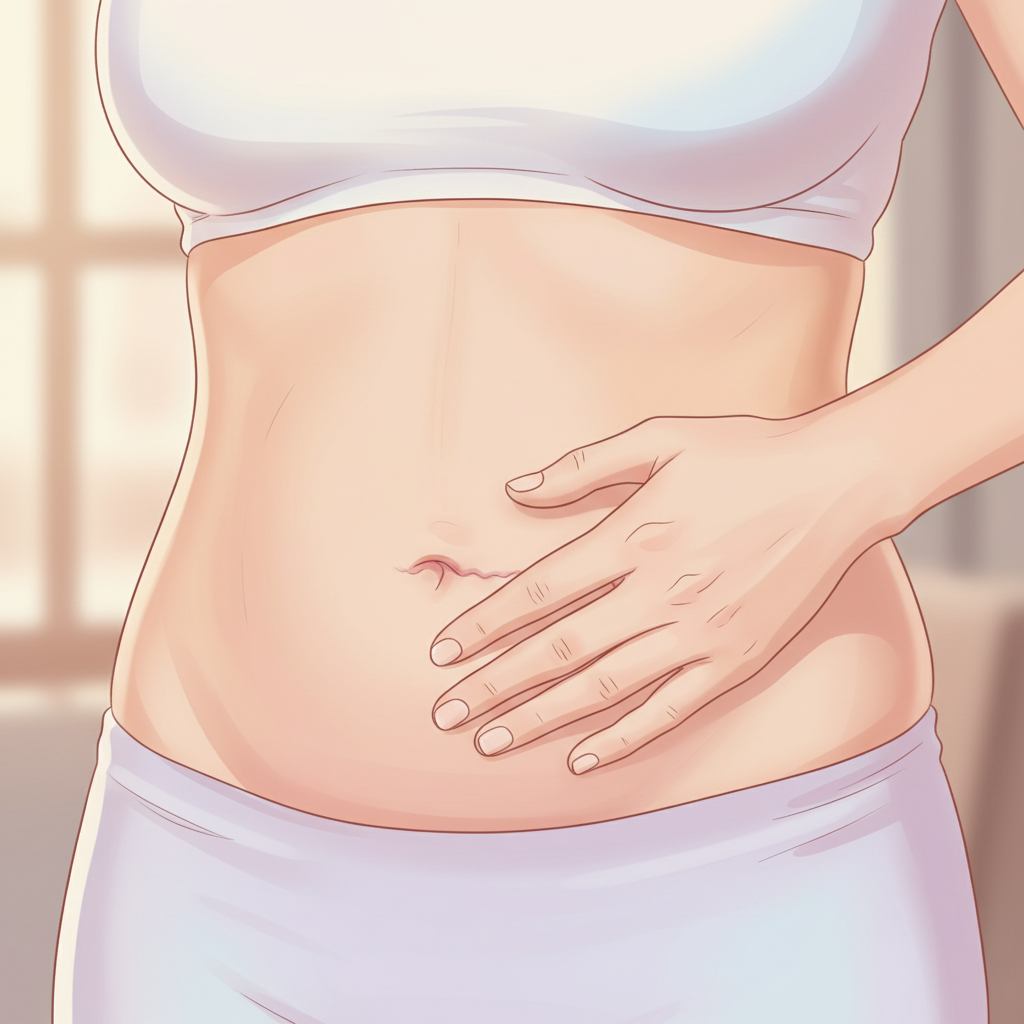
Navigating C-Section Scar Sensitivity and Phantom Itching: Your Guide to Postpartum Recovery
It's completely normal to wonder about the lingering sensations around your c-section scar, especially when you're trying to heal and find your footing postpartum. You've just been through a major surgery, and your body is doing incredible work bringing your baby into the world and now tending to this new part of your physical landscape. Sometimes, the sensations around the incision site can be persistent, showing up as sensitivity or even a phantom itching that’s hard to pinpoint. This guide is about understanding these common postpartum experiences and finding gentle, empowering ways to manage them as you continue managing c-section scar sensitivity and phantom itching during recovery.
What's Happening with My Scar?
The Mystery of Phantom Itching
That sensation of itching without anything actually there? It's a common, albeit sometimes frustrating, part of healing from surgery. This "phantom itching" often stems from nerve endings in the skin and deeper tissues that are still adapting after being cut and stitched back together. Your body is essentially re-wiring itself, and sometimes these signals can be a bit mixed up, leading to that maddening phantom itch. It’s not a sign that something is wrong, but rather a testament to the intricate healing processes happening beneath the surface.
Why Your C-Section Scar Might Still Feel Tender
Sensitivity around your c-section scar is also a normal part of recovery for many. The tissues, muscles, and skin have all been involved in the incision. Layers of tissue, including fascia, muscle, and skin, are meticulously closed. This means there's a significant amount of healing happening at multiple levels. It can take months, and sometimes even longer, for all these tissues to regain their full flexibility and for nerve endings to settle down. What you're experiencing is your body’s way of communicating that these areas are still in a healing phase.
Gentle Approaches to Soothe Scar Sensitivity
Keeping Your Skin Happy and Hydrated
One of the simplest yet most effective ways to support your healing incision is through regular moisturizing. Dry, tight skin can exacerbate sensitivity. Applying a gentle, unscented moisturizer can help keep the skin supple, reducing that pulled or tight feeling.
This is also a great time to think about hydration from the inside out. Drinking plenty of water supports overall skin health and can contribute to a more comfortable healing process.
Choosing the Right Topical Aids
When you’re looking for products to help your c-section scar relief, opt for those with minimal ingredients to avoid irritation. Many moms find success with pure oils like coconut oil, almond oil, or rosehip oil. These can provide deep hydration and may have anti-inflammatory properties.
Silicone sheets or gels are also frequently recommended by healthcare providers for scar management. They work by creating a barrier over the scar, helping to hydrate the tissue and flatten the scar over time. Always do a patch test on a small area of skin before applying any new product widely.
Knowing When to Check In with Your Provider
While some sensitivity is expected, if your scar sensitivity feels extreme, limits your mobility significantly, or is accompanied by other concerns, it’s always a good idea to talk to your OBGYN about sensitivity. They can assess the area, rule out any underlying issues, and offer personalized advice based on your healing progress.
Finding Relief for That Phantom Itch
Topical Treasures for Itchy Skin
Beyond basic moisturizers, there are specific topical treatments that can help calm phantom itching. Some people find relief from over-the-counter hydrocortisone creams, used sparingly and as directed by your doctor. Products containing colloidal oatmeal are also known for their soothing properties.
Antihistamine creams might offer temporary relief for some, though it’s wise to discuss their use with your provider. The goal is to soothe the area topically as your nerves settle.
Shifting Your Focus: Distraction Techniques
Sometimes, the best way to deal with an itch that isn't really there is to distract yourself from it. When the phantom itching strikes, try these approaches:
- Gentle movement: Go for a slow walk, or do some light stretching if comfortable.
- Engage your mind: Read a book, listen to a podcast, or work on a puzzle.
- Connect with others: Chat with a friend or family member.
- Mindful breathing: Focus on deep, slow breaths, bringing your attention inward to your breath.
These techniques help shift your body’s focus away from the phantom sensation.
The Soothing Power of Gentle Touch
While you might be tempted to scratch (which can worsen phantom itching!), a much gentler approach can be incredibly effective. Applying firm but gentle pressure to the area or using a soft cloth can sometimes interrupt the itch cycle. This can be a satisfying way to address the sensation without causing further irritation.
Nurturing Nerve Regeneration and Long-Term Healing
The Why and How of Scar Massage
This is where c-section scar massage truly shines for both healing c-section incision and managing sensitivity. Performing scar massage is a powerful way to encourage tissue mobility, break down adhesions (scar tissue that can restrict movement and cause discomfort), and help nerves regenerate.
Here’s a gentle approach to get started:
- Start with clean hands and a moisturized scar.
- Use one or two fingers to apply gentle pressure around the scar. You're not trying to press directly on the most tender spots initially.
- Slowly increase pressure as you feel comfortable. Your goal is to feel a stretch or pull in the underlying tissues, not pain.
- Use small, circular motions, moving in different directions. You can also try gently lifting the skin away from the underlying tissue.
- Aim for short, daily sessions. Consistency is key. Listen to your body; if it’s too much, ease up.
Many find that regular scar massage helps reduce both sensitivity and the frequency of phantom itching over time, and it’s a key component of postpartum scar itching relief.
Fueling Your Body for Repair
What you eat plays a significant role in your body's ability to heal and repair itself. Focus on a nutrient-dense diet that supports tissue regeneration. Foods rich in protein, healthy fats, and essential vitamins and minerals are your allies.
Consider incorporating:
- Lean proteins: Chicken, fish, beans, lentils.
- Healthy fats: Avocados, nuts, seeds, olive oil.
- Vitamins A & C: Found in fruits and vegetables like sweet potatoes, carrots, bell peppers, and citrus fruits.
- Zinc: Important for wound healing, found in lean meats and seeds.
- Omega-3 fatty acids: In fatty fish like salmon and in flaxseeds.
Staying well-hydrated is also crucial for this process.
Embracing the Timeline of Healing
It’s important to remember that healing from a c-section is a marathon, not a sprint. While the immediate postpartum period is intense, your body continues to adapt and heal for months, even up to a year or more. Numbness after a c-section can persist for a long time as nerves slowly regenerate. Be patient with yourself. Celebrate the small victories and acknowledge that your body is capable and resilient.
When to Seek More Support
Recognizing Signs of Trouble
While scar sensitivity and phantom itching are common, it's crucial to be aware of signs that might indicate a complication. If you notice any of the following, contact your healthcare provider promptly:
- Increased redness or warmth around the incision.
- Pus or foul-smelling discharge from the incision.
- Fever.
- Separation of the incision edges.
- Sudden, severe pain.
- Swelling that increases significantly.
These could be indicators of infection or other healing issues that require medical attention.
The Benefits of Physical Therapy
For persistent discomfort, restricted movement, or significant scarring, a physical therapist specializing in postpartum recovery can be an invaluable resource. They can offer targeted manual therapy, teach you advanced scar mobilization techniques, and provide exercises to improve core strength and pelvic floor function, all of which contribute to overall healing and well-being.
When to Consult a Skin Specialist
If you've tried various approaches and your scar sensitivity or itching remains a significant concern, or if you notice specific skin changes like keloid formation or hypertrophic scarring, consulting a dermatologist might be beneficial. They can offer specialized treatments and insights for persistent skin-related issues.