Managing Preschooler Social Anxiety Starting Daycare: A Mom's Guide
Is your preschooler experiencing social anxiety starting daycare? Learn to distinguish separation vs. social anxiety and find practical tips for managing the transition.
Is My Tot Freaking Out? A Mom's Guide to Managing Preschooler Social Anxiety Starting New Daycare
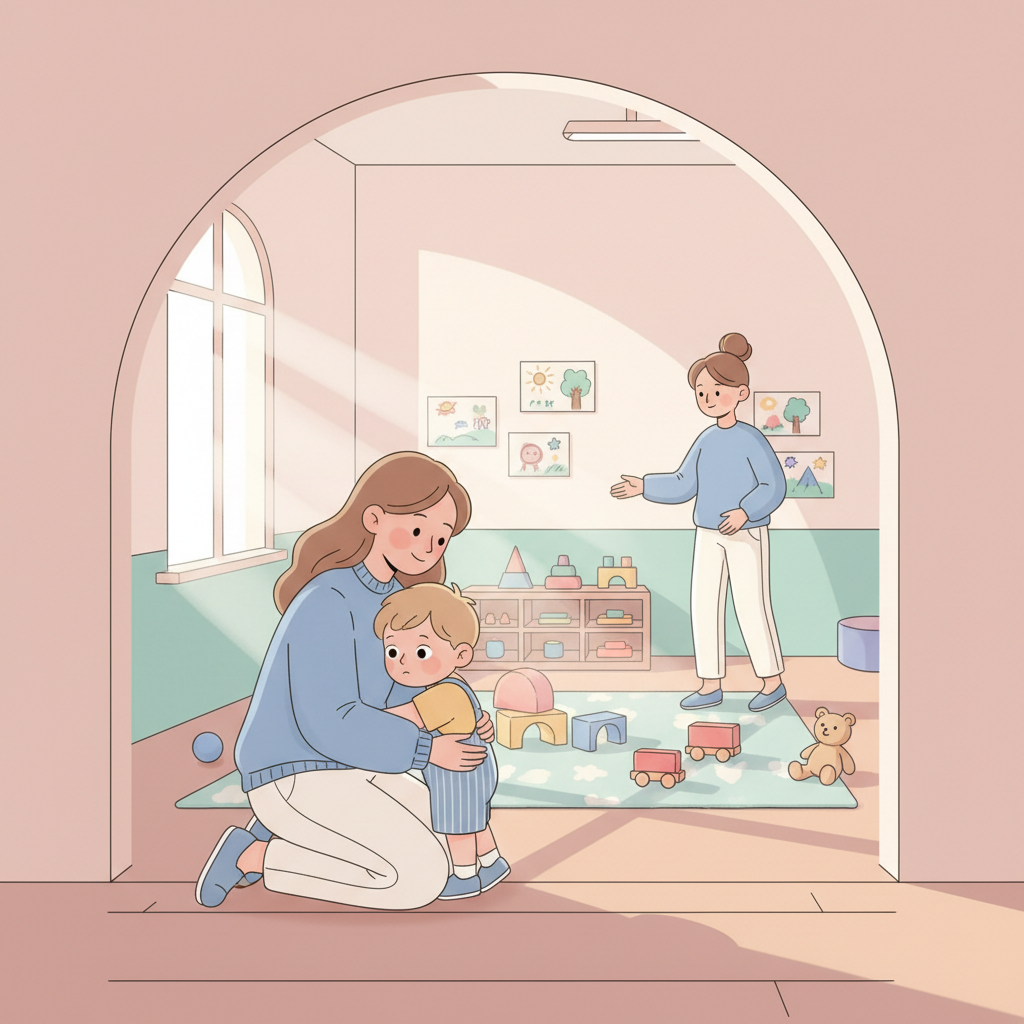
It was the third time Noah had thrown himself onto my legs, wailing like I’d just announced we were moving to Mars, not dropping him off at the colorful, sticker-covered door of Bright Beginnings Preschool. My heart did that familiar squeeze-and-twist thing. Was this just normal "bye-bye, Mommy" stuff, or was it something more?
Navigating this whole separation thing is a minefield, and when your little one seems particularly distressed by the prospect of daycare, it can feel like you’re walking it blindfolded. I’d spent months reading about managing preschooler social anxiety starting new daycare, but nothing quite prepared me for the raw, gut-wrenching reality of Noah’s tears.
Separation vs. Social Butterfly (or Moth?)
So, what’s the deal? Is it just that they can’t bear to be away from you for a second (hello, separation anxiety), or are they genuinely worried about the people?
Separation anxiety is that classic clinginess when you’re about to leave. It peaks around 18 months but can linger, especially during big transitions like starting daycare. They might cry, fuss, or try to hold onto you with all their might when you’re preparing to depart.
Preschooler social anxiety, though, often manifests a bit differently. It’s less about you leaving and more about the other kids and the social situation they’re entering. It’s that knot in their stomach when they think about interacting, playing, or being in a group.
Distinguishing between the two isn't always clear-cut, and honestly, they can overlap. But there are some common signs of social anxiety in preschoolers to watch for that might point towards this particular brand of worry:
- Extreme shyness: Beyond just being a little reserved, they might go completely silent, hide behind your legs, or refuse to speak to anyone new – even friendly teachers.
- Avoidance of social situations: They might actively try to escape group activities, prefer to play alone even when invited to join, or dread playdates.
- Fear of being watched: They might become uncomfortable or freeze up if they feel like others are observing them, even during simple play.
- Physical symptoms: Like tummy aches, headaches, or even reluctance to go to school without a tangible (and often emotional) reason.
- Difficulty initiating interactions: While separation anxiety is about leaving, social anxiety is about engaging. They might struggle to join a game or strike up a conversation, even if they want to.
It's a lot, I know. But spotting these can help you tailor your approach.
Getting Ready to Roar (or Whisper)
The best defense is a good offense, right? Preparing Noah before his first day was key to helping him feel more secure and less like he was being launched into the unknown.
This involved a lot of pre-daycare visits. We went to Bright Beginnings during their "meet the teacher" hour multiple times. We explored the classroom, played with some of the toys (on his terms, of course), and let him see the environment when it wasn't full of kids. Each visit was short and sweet, ending on a positive note.
Talking about daycare positively was also a daily practice. We focused on the cool things: "You'll get to paint!" "There are so many fun toys!" "You'll make new friends!" We kept it light and exciting, avoiding any language that might hint at future difficulties.
And books! We became regulars at the library, picking out stories about starting school. Books about shy characters who find their bravery, or kids who are nervous but end up having a blast, were lifesavers. It gave us conversation starters and showed Noah that other kids felt this way too.
The Big Day(s): Less Drama, More Daycare
The actual first day, and the days that followed, were about establishing routines and making transitions as smooth as possible.
Our goodbye ritual became sacred. It had to be quick, loving, and consistent. A big hug, a kiss, "I love you, have a great day, I'll see you later!" and then out the door. Lingering only made it worse. It was tough, but I had to trust his teachers and trust that he would be okay.
When I picked him up, I made sure to be present and give him my undivided attention. No phone scrolling. I’d ask open-ended questions about his day: "What was the most fun thing you did?" "Who did you play with?" instead of a simple "Did you have fun?" Often, he’d be overwhelmed and just want to cling, so I’d offer a big hug and quiet reassurance.
Connecting with the daycare teachers was also paramount. They are pros at this! I shared Noah’s sensitivities with them, and they were incredibly understanding. They knew to be patient, to offer him space, and to gently encourage him to join activities when he seemed ready. Their calm demeanor and genuine warmth were so reassuring for both of us.
Your Home Base: The Safe Harbor
What happens after daycare is just as crucial as the drop-off itself. Creating a supportive environment at home can help build his confidence and resilience.
Validating his feelings is number one. When he expressed his worries or cried about going, I didn't dismiss them. I’d say things like, "I know it's hard to say goodbye, and it feels scary sometimes. It’s okay to feel that way." Letting him know that his big feelings are understandable goes a long way.
We also worked on creating a calm home environment. After the stimulation of daycare, he needed downtime. This meant fewer structured activities immediately after pickup and more opportunities for quiet play. We’d read books together, do puzzles, or just have some snuggle time.
Encouraging parallel play with peers, even at home, became a gentle strategy. This is when kids play alongside each other rather than directly with each other. If we had a playdate, I’d make sure there were plenty of toys and that the pressure to interact was low. It's a stepping stone, allowing them to get comfortable with other kids present without the demand of direct interaction.
When to Call In the Cavalry
For most kids, these transition anxieties ease up within a few weeks or months. They start to see daycare as a fun place full of friends and exciting activities, not a scary social gauntlet.
However, there are times when it’s worth seeking a little extra guidance. If your child's anxiety feels overwhelming and persistent, or if it’s significantly impacting their happiness and daily functioning, it might be time to look deeper.
Here are some signs that it might be more than typical daycare jitters:
- Extreme distress that doesn't improve over several weeks. If the tears and terror are still intense after a month or two, take note.
- Physical symptoms that interfere with daily life. Frequent stomach aches, headaches, or sleep disturbances that seem tied to daycare.
- Refusal to attend daycare for prolonged periods. Not just a bad morning, but outright refusal or extreme resistance week after week.
- Social withdrawal outside of daycare. If they are shy everywhere and struggle to make any friends or connections, it might be a broader anxiety pattern.
- Significant behavioral changes. Extreme irritability, aggression, or regression in skills.
If you're noticing these, don't hesitate to talk to your pediatrician. They can offer guidance, rule out other potential issues, and recommend specialists if needed.
Starting daycare is a huge step, for them and for us. It’s okay to acknowledge the challenges, the tears, and the fear. You guys are doing amazing work, navigating these uncharted waters one day at a time. Remember, your love and consistent support are the anchors your little one needs. You've got this.