Safe Baby Formula Preparation & Storage: CDC Guidelines
Learn if it's safe to mix baby formula in advance. Get expert advice on preparation, safe storage times, temperatures, and common myths from the CDC and AAP.
Is It Safe to Give Baby Formula Powder Mixed in Advance? A Parent's Guide to Safe Preparation and Storage
As a busy parent, the idea of preparing baby formula powder ahead of time can sound like a game-changer. Imagine having bottles ready to go, saving precious minutes when hunger strikes. But when it comes to infant nutrition, safety is paramount. Understanding the do's and don'ts of mixing and storing formula is key to ensuring your baby gets safe, nutritious feedings.
Can You Mix Baby Formula Powder Ahead of Time?
The short answer is yes, but with very specific safety precautions. While convenience is appealing, the primary concern is preventing the growth of harmful bacteria in the prepared formula. Babies, especially newborns, have immature immune systems, making them more vulnerable to infections.
Understanding the Risks vs. Benefits
The temptation to mix a larger batch of formula and store it in the refrigerator is understandable. It can certainly streamline feeding routines. However, any time formula is mixed with water, it creates an environment where bacteria can multiply if not handled correctly.
The risks associated with improperly prepared or stored formula include gastrointestinal issues and, in rare cases, more serious infections.
What the CDC Says About Formula Preparation
The Centers for Disease Control and Prevention (CDC) offers clear guidance on safe formula preparation. They emphasize that while you can prepare formula in advance, it must be done with strict attention to hygiene and storage.
The CDC recommends that if you prepare formula in advance, you should refrigerate it immediately after mixing. They also provide guidelines on how long prepared formula can safely be stored.
Safe Storage Times & Temperatures for Prepared Formula
Once you've mixed powder formula with water, the clock starts ticking. The guidelines from organizations like the CDC are designed to minimize bacterial growth.
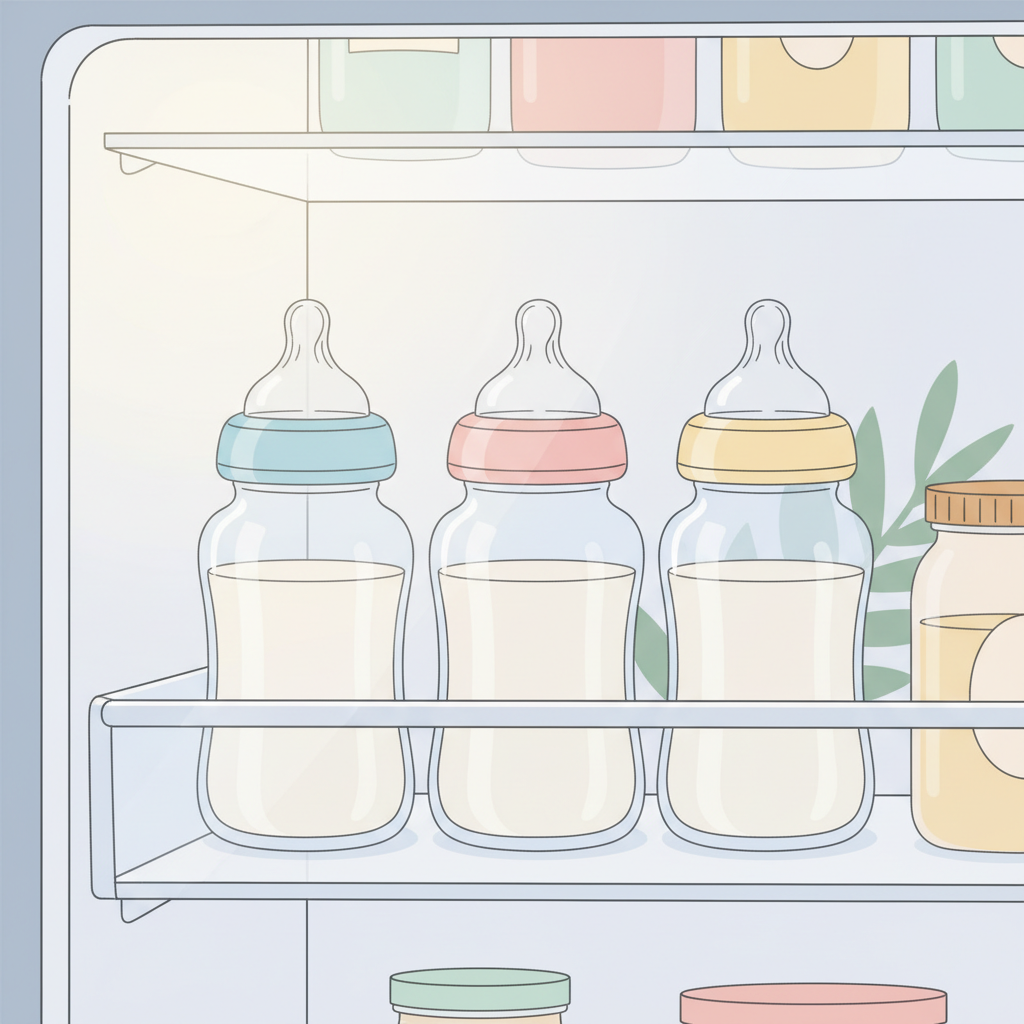
According to the CDC, prepared formula can be stored in the refrigerator for up to 24 hours. It's crucial that the refrigerator temperature is maintained at or below 40°F (4°C).
It's a good practice to make sure your refrigerator is set to the correct temperature. You can use a refrigerator thermometer to check this periodically. Placing the prepared bottles in the back of the refrigerator, where it's coldest, is also a helpful tip.
Mixing Formula for Outings and Travel: Smart Strategies
Heading out for a day trip or a longer journey? Preparing formula for these occasions requires careful planning to maintain safety away from your home refrigerator.
Using Sterile Bottles
Before you even start mixing, ensuring your feeding equipment is clean is non-negotiable. The CDC advises washing bottles, nipples, and caps with hot water and soap, and then sanitizing them. You can sanitize by boiling them in water for five minutes or by using a steam sterilizer.
Cooling and Transport Methods
When you need to have prepared formula ready for travel, mixing it and then promptly chilling it in the refrigerator for at least an hour before heading out is recommended.
For transport, use an insulated cooler bag with an ice pack to keep the prepared formula cold, ideally at or below 40°F (4°C). The AAP also suggests that if you are going to use the formula within a couple of hours, you may not need a cooler, but it's always best to err on the side of caution.
Common Formula Mixing Myths Debunked
There are several persistent myths surrounding formula preparation that can inadvertently compromise safety. Let's clear up a few of them.
- Myth: You can just add hot water to powder and feed it immediately. While it may seem like the hot water kills bacteria, it's not always sufficient, and the formula needs cooling before feeding. The CDC actually advises that if you are preparing formula from powder, it's best to use water that has been boiled and cooled to at least 70°C (158°F) to kill any potential bacteria in the powder itself. Then, cool the formula to feeding temperature before giving it to your baby.
- Myth: Leaving prepared formula at room temperature for a few hours is fine. This is one of the most dangerous myths. Bacteria can multiply rapidly in formula left at room temperature. The CDC states that prepared formula not kept refrigerated should generally be used within 2 hours.
When to Discard Prepared Formula
Knowing when to discard formula is vital. It's better to be safe than sorry when it comes to your baby's health.
Signs of Spoilage
While you might not always see obvious signs of spoilage, there are a few things to watch for. If prepared formula has been left out at room temperature for longer than the recommended time, or if it has been stored improperly, it should be discarded. A sour smell or unusual appearance are also indicators that the formula is no longer good.
The 2-Hour Rule and Beyond
The CDC outlines a crucial rule: If feeding is not started within 1 hour of the bottle being prepared or removed from refrigeration for a feeding, the formula should be discarded. If it has been kept cold in a cooler, this timeframe might be extended, but always follow the manufacturer's instructions and CDC guidelines.
Once a baby has started drinking from a bottle, the formula left in the bottle should be used within 1 hour of the start of the feeding. This is because bacteria from the baby's mouth can transfer into the formula. After that hour, any remaining formula in that bottle should be discarded.
Always Talk to Your Pediatrician
Navigating the world of infant feeding can bring up many questions. While the CDC and AAP provide excellent general guidelines, every baby is unique.
Your pediatrician is your best resource for personalized advice. They can offer specific recommendations based on your baby's age, health status, and your family's lifestyle. If you have any doubts about how to prepare or store formula, or if your baby shows any signs of illness, reaching out to your pediatrician is always the right step.
Making informed decisions about formula preparation ensures your baby receives safe and nourishing meals while giving you greater confidence in your feeding routine.