Safest Non-Toxic Crib Mattress for Baby Eczema & Allergies
Discover the best non-toxic crib mattresses for babies with eczema and allergies. Learn about essential certifications like GREENGUARD Gold & GOTS to ensure a safe sleep environment.
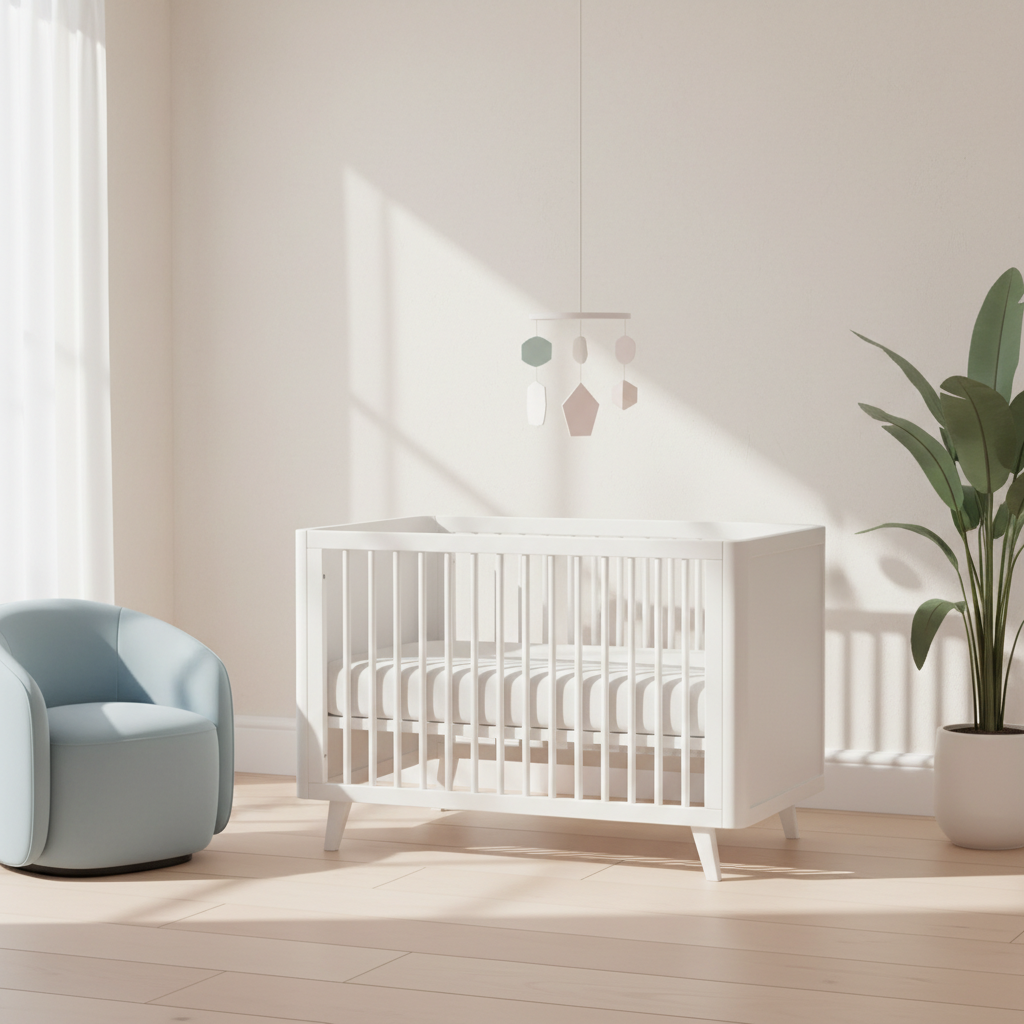
title: Safest Non-Toxic Crib Mattress for Baby Eczema & Allergies
In 5 minutes, you'll know exactly which non-toxic crib mattress is the safest bet for your baby's sensitive skin and allergies, and which to avoid. As a mom of twins, I know the sheer panic of seeing your little one red and itchy, and the endless research that follows. My promise: I'll save you hours of scrolling through conflicting advice. This guide cuts through the noise to focus on what truly matters for peace of mind and your baby's well-being.
Finding the safest non-toxic crib mattress for a baby with eczema and allergies can feel like navigating a minefield. Your baby spends a significant amount of time in their crib, day in and day out. The materials that make up that mattress can have a direct impact on their sensitive skin and respiratory system.
Why What Your Baby Sleeps On Matters for Eczema & Allergies
Think about it: a crib mattress is essentially a baby's first, continuous environment. For infants prone to eczema or allergies, this constant exposure is a major concern.
The Unseen Triggers in Baby Products
Many standard crib mattresses use materials that off-gas volatile organic compounds (VOCs) and contain flame retardants, all of which can be irritants. Common allergens or irritants found in less scrutinized products include:
- Synthetic foams (often petroleum-based)
- Certain plastics and vinyls
- Chemical dyes and treatments
- Aggressive adhesives
The Skin-Mattress Connection
For babies with eczema, their skin barrier is already compromised. Even seemingly minor irritants found in mattress materials can exacerbate redness, itching, and inflammation. Choosing a mattress with natural, breathable, and hypoallergenic materials can significantly reduce exposure to potential triggers. This is why hypoallergenic crib mattress reviews are so valuable when you're looking for a solution.
Decoding Certifications: What Truly Guarantees Safety?
The market is flooded with labels, but not all certifications are created equal. Here's what you need to know to make an informed decision.
GREENGUARD Gold: The Gold Standard for Chemical Emissions
This is arguably the most critical certification to look for. GREENGUARD Gold certification tests for a wide range of chemical emissions and specifically focuses on products used in environments like schools and healthcare settings, where children spend a lot of time. It ensures a product meets stringent chemical pollutant, ion, and VOC emissions criteria. For a baby with eczema or allergies, this certification provides a high level of confidence that the mattress won't be a source of respiratory or skin irritants through off-gassing.
Organic Certifications: Beyond Just "Natural"
- GOTS (Global Organic Textile Standard): This is the leading textile processing standard for organic fibers. It ensures that the organic cotton or wool used in the mattress (often in the cover or filling) is processed without harmful chemicals. GOTS covers everything from harvesting the raw materials to manufacturing and labeling, guaranteeing a high environmental and social standard.
- USDA Organic: Primarily for agricultural products, this certification ensures that the materials (like cotton or soy used in foams) are grown without synthetic pesticides or fertilizers. While a good indicator of the source material, it doesn't cover the entire manufacturing process for the finished mattress like GOTS does.
Hypoallergenic Labels: Fact vs. Marketing Hype
"Hypoallergenic" itself is a broad term not strictly regulated in the same way as chemical emissions testing. While many brands use it to signify products less likely to cause allergic reactions, it's best to look for specific material choices and certifications (like GOTS or GREENGUARD Gold) that demonstrate hypoallergenic properties rather than relying solely on the label. An organic crib mattress for allergies should ideally have multiple layers of evidence.
My Top Picks: Safest Non-Toxic Crib Mattresses for Sensitive Babies
After extensive research and putting these to the test (in my own twins' cribs!), here are the mattresses that stand out for babies with eczema and allergies.
Brand A: The Ultimate Peace of Mind Pick
This mattress is the worth the splurge if budget allows. It consistently ranks high in independent testing and has the certifications to back it up.
- Certifications: GREENGUARD Gold, GOTS Organic Cotton (cover and internal layers), USDA Organic (if applicable to specific components).
- Materials: 100% organic cotton cover, natural coconut coir or organic latex filling, no chemical flame retardants.
- Features: Firm support, dual-sided (firmer for infant, softer for toddler), excellent breathability.
- Best For: Parents prioritizing the absolute highest safety standards and willing to invest in premium, natural materials for a baby prone to severe eczema or allergies.
- Skip If: You're on a strict budget. The premium materials and certifications come at a higher price point.
Brand B: The Balanced Performer
This option offers a fantastic balance of safety, performance, and value. It's a strong contender for many families.
- Certifications: GREENGUARD Gold, OEKO-TEX Standard 100.
- Materials: Breathable organic cotton or polyester cover (specify if OEKO-TEX certified), high-density plant-based foam (often soy-based), no VOCs or chemical flame retardants.
- Features: Firm and supportive, water-resistant or waterproof cover, excellent durability.
- Best For: Parents seeking a highly safe and eco-friendly crib mattress for sensitive skin that offers excellent durability and value without compromising on critical certifications. This is the best crib mattress for an eczema baby if budget is a moderate concern.
- Skip If: You are committed to 100% GOTS-certified organic materials throughout the entire mattress. OEKO-TEX is a strong standard, but GOTS is more comprehensive for a fully organic build.
Brand C: The Budget-Conscious Safe Haven
It's possible to find a safe, non-toxic option without breaking the bank. This mattress proves it.
- Certifications: GREENGUARD Gold.
- Materials: Breathable, non-toxic polyester or organic cotton blend cover, high-density eco-foam (often plant-based with GREENGUARD Gold verification).
- Features: Good firmness and support, wipeable waterproof surface, lightweight and easy to handle.
- Best For: Families on a tighter budget who still want the assurance of a GREENGUARD Gold certified mattress, making it a great choice for a healthier nursery environment.
- Skip If: You need the absolute highest level of organic material certification or are looking for advanced features like dual firmness.
Material Deep Dive: What's In (and Out) of Your Baby's Mattress?
Understanding the components demystifies marketing claims and helps you make a truly informed choice for your baby's sensitive skin.
Natural vs. Synthetic Materials
- Natural: Cotton, wool, natural latex, coconut coir. These are generally more breathable and less prone to off-gassing. However, ensure they are organic and processed without harsh chemicals.
- Synthetic: Polyester, polyurethane foam. These are common in less expensive mattresses. When shopping for these, GREENGUARD Gold certification is non-negotiable to ensure they are low in VOCs and harmful chemicals.
Coverings: Waterproofing and Breathability
- Waterproof: Essential for easy cleanup of accidents and spit-ups. Look for covers made from phthalate-free vinyl (less ideal) or, preferably, naturally waterproof materials like organic cotton with a TPU (thermoplastic polyurethane) laminate.
- Breathability: Crucial for temperature regulation and reducing the risk of overheating. Natural fibers and mattresses with airflow channels are best.
Fillings: Firmness You Can Trust
- Soy Foam or Plant-Based Foam: A popular alternative to traditional petroleum-based foams. Look for those certified by GREENGUARD Gold or OEKO-TEX.
- Natural Latex: Provides excellent support and breathability, often derived from rubber trees. Ensure it's natural and organic, and be aware that some rare individuals can have latex sensitivities.
- Innerspring Coils: Offer robust support. The key here is the quality of the coils and what's used in the wrapping and edge support; avoid chemical treatments or glues.
Making the Final Choice: Questions to Ask Yourself
Before you click "add to cart," consider these practical points.
Budget Considerations
As shown in my top picks, there's a range. The safest non-toxic crib mattress isn't always the most expensive, but premium organic materials and top-tier certifications will increase the price. Determine your comfort level for this essential item.
Firmness and Support
The American Academy of Pediatrics (AAP) recommends a firm sleep surface for infants to reduce the risk of SIDS. This is non-negotiable and applies to all crib mattresses, especially those for babies with eczema where a soft, conforming surface could trap heat and moisture.
Ease of Cleaning and Maintenance
Life with a baby is messy. A waterproof cover or a mattress that's easy to wipe down is a sanity saver. For organic or natural materials, gently spot clean as needed according to manufacturer instructions.
When to Consult Your Pediatrician
While mattress choice is crucial for comfort, persistent or severe skin issues warrant professional advice.
Signs Your Baby's Eczema Needs Professional Attention
- Intense itching that disrupts sleep or daily activities.
- Skin that is red, inflamed, oozing, or crusted over.
- Eczema that doesn't improve with over-the-counter treatments.
- Signs of infection (warmth, pus, fever).
Discussing Mattress Choices with Your Doctor
Your pediatrician can offer guidance on managing eczema and allergies, and they can confirm if a specific mattress choice aligns with current recommendations for infant sleep safety. They can also help you differentiate between a mild sensitivity and a condition requiring medical intervention.
The bottom line is that selecting a safe, non-toxic, and hypoallergenic crib mattress is a proactive step towards a healthier environment for your baby. By understanding certifications and material choices, you can confidently choose a mattress that supports your baby's delicate skin and well-being, providing peace of mind for everyone.