Daycare Germs: Expert Strategies for a Healthier Child
Learn effective strategies to reduce germs in shared daycare spaces and keep your child healthy. Boost immunity, establish home habits, and manage daycare gear.
Daycare Germs: Top Strategies to Keep Your Child Healthy
Your toddler brings home a sniffle from daycare – should you worry? As any parent who's navigated the world of early childhood education knows, daycare environments can feel like germ incubators. It's a natural concern for parents: how can we effectively manage the inevitable influx of germs and keep our children as healthy as possible? This article explores evidence-based strategies to reduce daycare germs in shared spaces, focusing on what you can control right here at home.
Understanding the Daycare Germ Landscape
Daycare centers are wonderful places for socialization and learning, but they also present unique challenges when it comes to germ transmission. Young children are still developing their immune systems and often haven't yet mastered good hygiene habits like thorough handwashing. They share toys, play in close proximity, and their natural curiosity means they touch everything.
This combination of factors makes daycare environments particularly conducive to the spread of common childhood illnesses. The Centers for Disease Control and Prevention (CDC) notes that children in daycare settings are more likely to get sick than those cared for at home.
Some of the most frequent unwelcome visitors include:
- The common cold: Caused by hundreds of different viruses, these lead to runny noses, coughs, and congestion.
- Influenza (Flu): A more serious respiratory illness that can cause fever, body aches, and fatigue.
- Respiratory Syncytial Virus (RSV): Particularly concerning for infants and young children, RSV can cause significant respiratory distress.
- Hand, Foot, and Mouth Disease (HFMD): This viral illness typically presents with fever, mouth sores, and a rash on the hands and feet.
Understanding these common illnesses is the first step in tackling daycare germ prevention tips.
Boosting Your Child's Immunity: The First Line of Defense
While we can't eliminate all germ exposure, we can significantly strengthen your child's natural defenses. A robust immune system is your child's best ally against the onslaught of daycare sickness.
Nutrition for a Strong Immune System: The American Academy of Pediatrics (AAP) emphasizes the importance of a balanced diet for overall health, which directly supports immune function. Ensuring your child receives a variety of fruits, vegetables, lean proteins, and whole grains provides the vitamins and minerals their body needs to fight off infections. For vegetarian children, it's important to understand pediatrician approved plant protein sources for your 15-month-old.
Adequate Sleep for Recovery and Growth: Sleep is crucial for immune system recovery and development. When children get enough restorative sleep, their bodies are better equipped to handle stress, including the daily battle against germs. The AAP provides age-specific sleep recommendations that parents can follow. If your toddler is experiencing toddler night wakings after a new baby arrives, addressing these disruptions is key for both their immune health and overall well-being.
The Role of Vaccinations: According to the AAP, up-to-date vaccinations are one of the most effective ways to protect children from serious infectious diseases. Vaccines prepare the immune system to recognize and fight off specific, potentially dangerous pathogens, often before exposure occurs. Always discuss your child's vaccination schedule with your pediatrician.
Home Habits to Disrupt the Germ Cycle
The good news is that many effective strategies to stop daycare sickness can be implemented right in your own home. Establishing consistent habits can significantly disrupt the germ cycle.
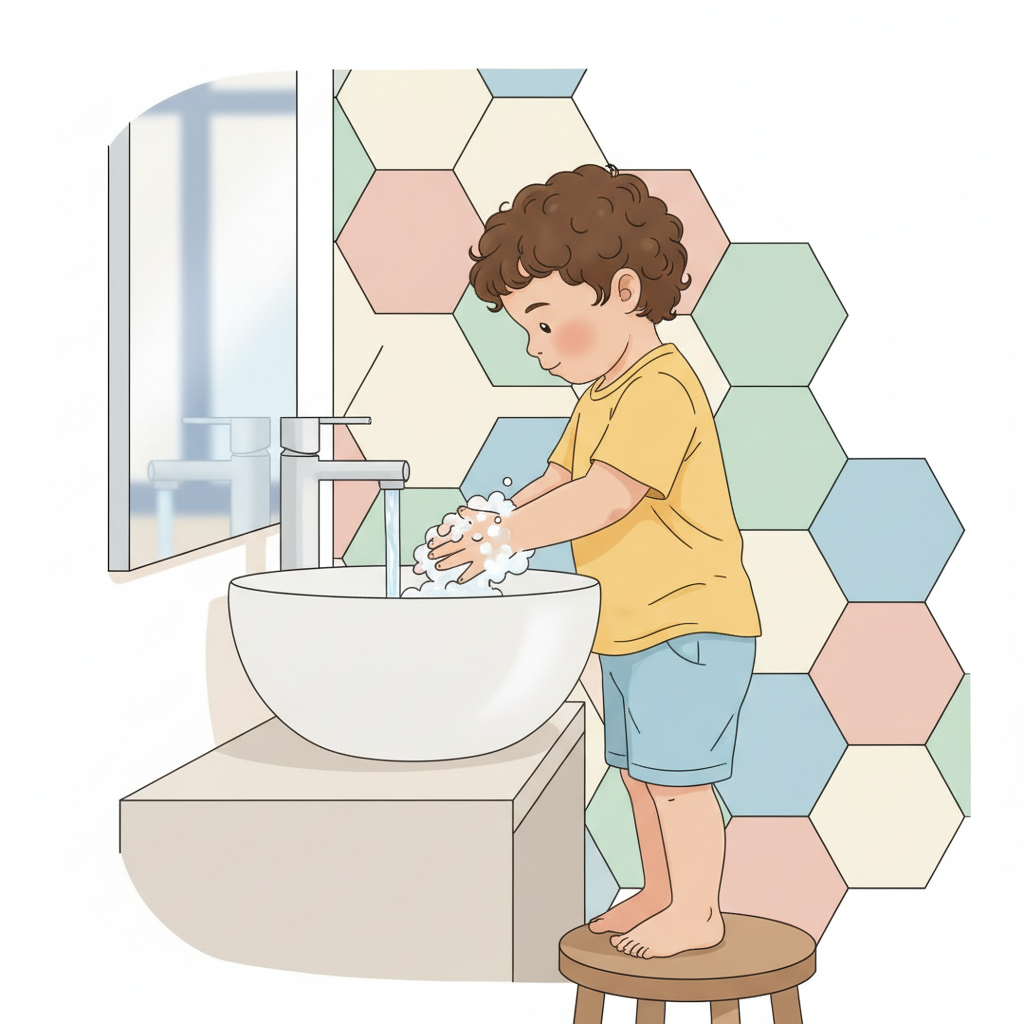
Handwashing Routines: When and How: The CDC offers clear guidance on effective handwashing. The key is to make it a frequent and thorough practice. Guidelines suggest washing hands with soap and water for at least 20 seconds, especially after using the toilet, before eating, after coughing or sneezing, and after playing outdoors. For younger children, make it fun with songs or by timing it with a favorite short tune.
Proper Toy Cleaning and Sanitizing at Home: Toys are prime real estate for germs. Research suggests that viruses can survive on surfaces for varying amounts of time. Regularly clean and sanitize toys by washing them with soap and water, followed by a proper disinfectant (following product instructions) for hard, non-porous toys. Soft toys can often be machine washed and dried on a hot setting.
Disinfecting Shared Surfaces: High-touch surfaces in your home, such as doorknobs, light switches, countertops, and remotes, can also harbor germs. A regular cleaning and disinfecting routine for these areas, especially when someone in the household is sick, can help prevent the spread of illness.
Daycare Gear & Clothing: Germ Management
Beyond daily routines, specific items that travel to and from daycare require careful attention to prevent bringing germs home.
Washing Routines for Daycare Clothes and Blankets: Items like blankets, comfort objects, and clothing that your child uses at daycare should be washed regularly. The CDC recommends washing children's clothing and bedding in hot water and drying on a hot setting if possible. This can help kill germs and reduce their spread.
Managing Sippy Cups, Bottles, and Pacifiers: These items are in constant contact with your child's mouth and should be cleaned thoroughly after each use. Following manufacturer instructions for washing and sanitizing bottles, sippy cups, and pacifiers is essential. Avoid sharing these items among children.
Choosing Durable, Easy-to-Clean Daycare Bags: When selecting a daycare bag, consider materials that can be easily wiped down or even machine washed. A bag that can be regularly cleaned will be a more effective tool in your germ management arsenal.
When to Keep Your Little One Home (and When to Call the Doctor)
Knowing when your child is too sick for daycare is crucial for their recovery and to prevent spreading illness to others.
Recognizing Common Illness Signs: While many daycare illnesses are minor, it's important to recognize when your child needs to rest and recover at home. Signs such as a fever over 100.4°F (especially in infants), persistent vomiting or diarrhea, difficulty breathing, or a rash that cannot be explained warrant keeping your child home.
Daycare Exclusion Policies and Best Practices: Most licensed daycares have specific exclusion policies in place to protect the health of all children and staff. These policies, often based on recommendations from health authorities like the CDC, typically outline the symptoms that require a child to stay home and when they can safely return. Searching for an in-home daycare provider checklist or understanding home daycare red flags can also help you make informed decisions about childcare environments that prioritize health.
Consulting Your Pediatrician for Personalized Advice: Ultimately, your pediatrician is your best resource for understanding your child's specific health needs and for guidance on when to seek medical attention. The information provided here is general and not a substitute for professional medical advice.
By implementing these evidence-based strategies, you can create a more resilient defense against the inevitable germs of daycare, helping your child thrive and enjoy their time learning and playing with friends. Always remember, when in doubt, check with your pediatrician for your specific situation.