Surviving Postpartum Insomnia with a Newborn: Real Tips
New moms struggle with postpartum insomnia. Learn why it happens and get practical tips to cope with sleep deprivation while caring for your newborn.
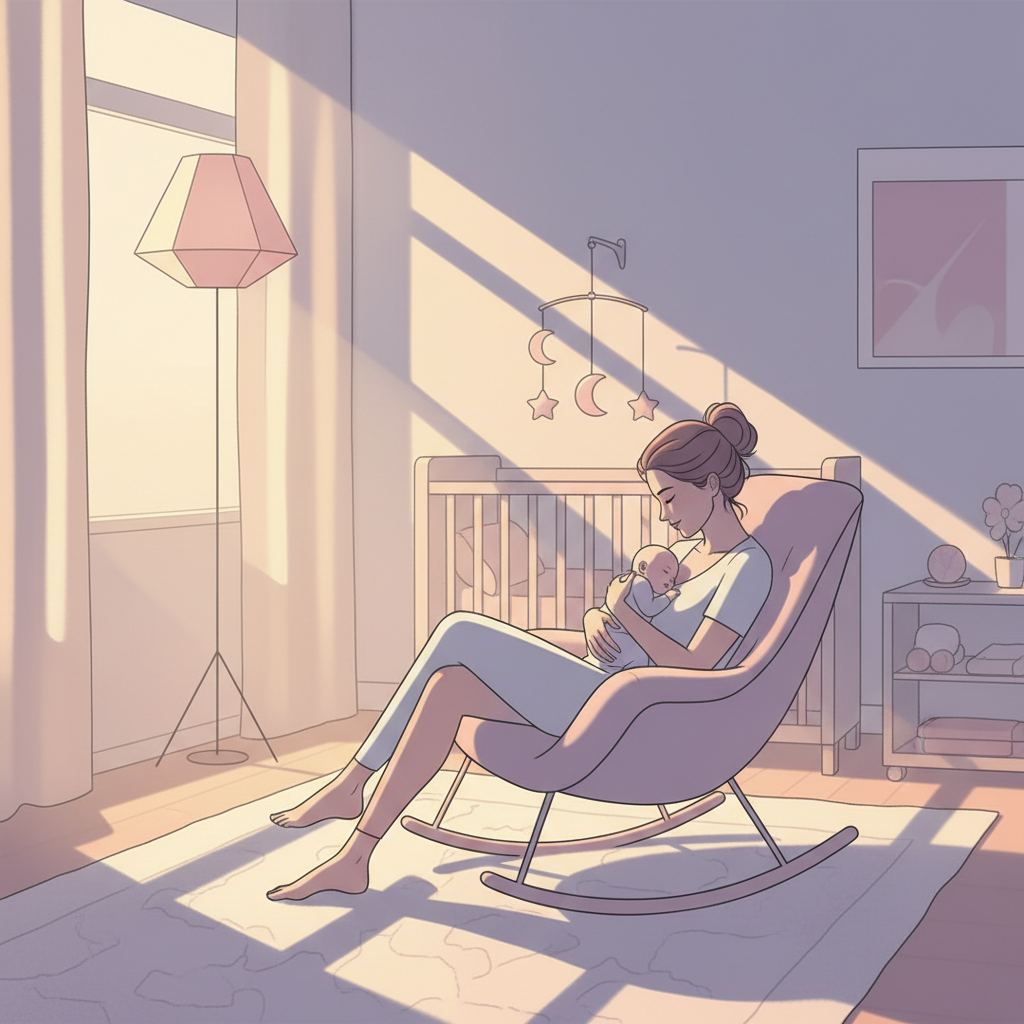
Surviving Postpartum Insomnia: Real Tips for Newborn Moms
It was 2:17 a.m. when I finally convinced Noah to go back down. He’d been up since 11:45, a frantic symphony of grunts and little cries that my sleep-addled brain could barely function through. My own eyes felt gritty, my body a heavy, achey, boneless thing. As I tiptoed back into my bedroom, the silence felt deafeningly loud, a stark reminder of the next wake-up call that was probably only an hour away. This is surviving postpartum insomnia with a newborn; it’s not pretty.
We’ve all heard the golden rule: "Sleep when the baby sleeps." It’s meant with the best intentions, a little pearl of wisdom tossed at overwhelmed new moms.
But honestly, that advice is kind of a cruel joke when you're deep in the trenches of those first few months.
Your newborn’s sleep schedule is less a schedule and more a chaotic, unpredictable dance. They sleep in little bursts, often demanding attention the second you manage to close your eyes.
And let’s be real: sometimes, when the baby sleeps, you have a million other things screaming for your attention. The dishes, the laundry, the desperate need to pee without an audience.
Or maybe you’re like me and just can’t shut your brain off. The worries, the to-do lists, the sheer adrenaline of keeping a tiny human alive can keep you wired, even when your body is screaming for rest. This extreme postpartum fatigue feels like a permanent state.
So, what does that magical "sleep when the baby sleeps" advice truly look like for us? It looks like stealing five minutes on the couch while they’re in the bouncer. It looks like ignoring that pile of laundry to lie down for ten minutes, even if you don't actually fall asleep.
The truth is, fragmented sleep is the reality for most new moms. It’s not ideal, but it’s the starting point for surviving postpartum insomnia with a newborn.
What’s Really Going On With Your Sleep?
Understanding why sleep feels like a luxury you can't afford is half the battle. It's not just about a demanding baby.
Your body has just gone through major hormonal shifts. Progesterone and estrogen levels plummet after birth, which can mess with your sleep-wake cycles. It’s like your internal clock is on strike.
Plus, there’s the sheer physical recovery from childbirth. And the constant vigilance required for a vulnerable newborn. Every tiny sound can send you into an alert state.
This isn't just regular tiredness. This is postpartum sleep deprivation, a level of exhaustion that can feel soul-crushing. It impacts your mood, your patience, and your ability to function.
When Does It Go Beyond “Normal” Exhaustion?
Feeling tired when you have a newborn is 100% normal. It's practically a rite of passage. But there’s a point where it can become more concerning.
If you're experiencing intrusive thoughts, or if you're feeling persistently hopeless, that's a red flag. Symptoms of postpartum depression (PPD) or postpartum anxiety (PPA) can significantly impact sleep.
These conditions can manifest as difficulty falling asleep, staying asleep, or even sleeping too much (though that's less common with a newborn). Nightmares and racing thoughts are also common.
The key is to differentiate between the bone-deep tiredness of new motherhood and something that needs professional attention.
Tiny Mercies: How to Actually Cope
Okay, enough with the doom and gloom. How do we actually survive this? How do we find some semblance of rest when our newborn seems to operate on goblin time? It’s about being strategic.
- Embrace "Rest" Over "Sleep": Sometimes, you won't fall asleep even if your baby is napping. That's okay. Lie down. Close your eyes. Listen to a podcast. Just get off your feet and let your body rest. Every little bit counts toward combating postpartum sleep deprivation.
- The Art of the Strategic Nap: Can your partner or a visiting family member take the baby for an hour? Do NOT use that hour to clean. Use it to lie down. Even a 20-minute power nap can feel like a miracle when you're battling extreme postpartum fatigue.
- Accept All the Help (and Set Some Boundaries): People want to help. Let them. Load the dishwasher. Bring over a meal. Hold the baby while you shower. Politely say no to visitors if you need quiet time. Your priority is your recovery and your baby.
- Make Your Bedroom a Sleep Sanctuary: Even if you’re only in there for short periods, make it dark, quiet, and cool. Consider blackout curtains. A white noise machine can help mask sudden noises and create a consistent calm.
- Mindfulness, Baby Steps: This isn't about meditating for an hour. It's about taking moments. Deep breaths while you're rocking your baby. Focusing on the sensation of warm water in the shower. Tiny moments of calm can help regulate your nervous system. This is part of how to cope with newborn insomnia.
- Lower Your Expectations (Seriously): The house will not be spotless. You will not look like you stepped out of a magazine. Your entire life is currently dedicated to a tiny human. And that is enough.
When "Tired" Becomes More Than Tired
The truth is, not all sleep issues are just about sleep. If your exhaustion is coupled with feeling overwhelmed, sad, anxious, or just… off… it’s important to talk about it.
Many new moms struggle with postpartum mood disorders. These are real and treatable conditions. It’s not a sign of weakness; it’s a complication of childbirth, just like any other.
Don't tough it out alone. Talk to your partner, a trusted friend, or your doctor. Sharing what you're going through is a huge step towards new mom insomnia help.
Pediatricians and OB-GYNs are usually the first point of contact for postpartum concerns. They can offer resources and screening for PPD/PPA. Don't hold back. They’ve heard it all, and they want to help you feel better.
A Little Glow in the Dark
Surviving postpartum insomnia with a newborn is hands-down one of the hardest things you will ever do. It feels relentless. It feels isolating.
But you are not alone in this. So many of us have been there, staring into the dark, wondering how we'll make it to sunrise.
Your body is doing an incredible, intense job. You are doing an incredible, intense job. Be kind to yourself. This phase is temporary, even when it feels like it will last forever. You are stronger than you think.