Toddler Calm During Fever: Balancing Screen Time and Comfort
Learn how to manage screen time when your toddler has a fever. Discover strategies for choosing calming content, setting limits, and knowing when to seek medical advice.
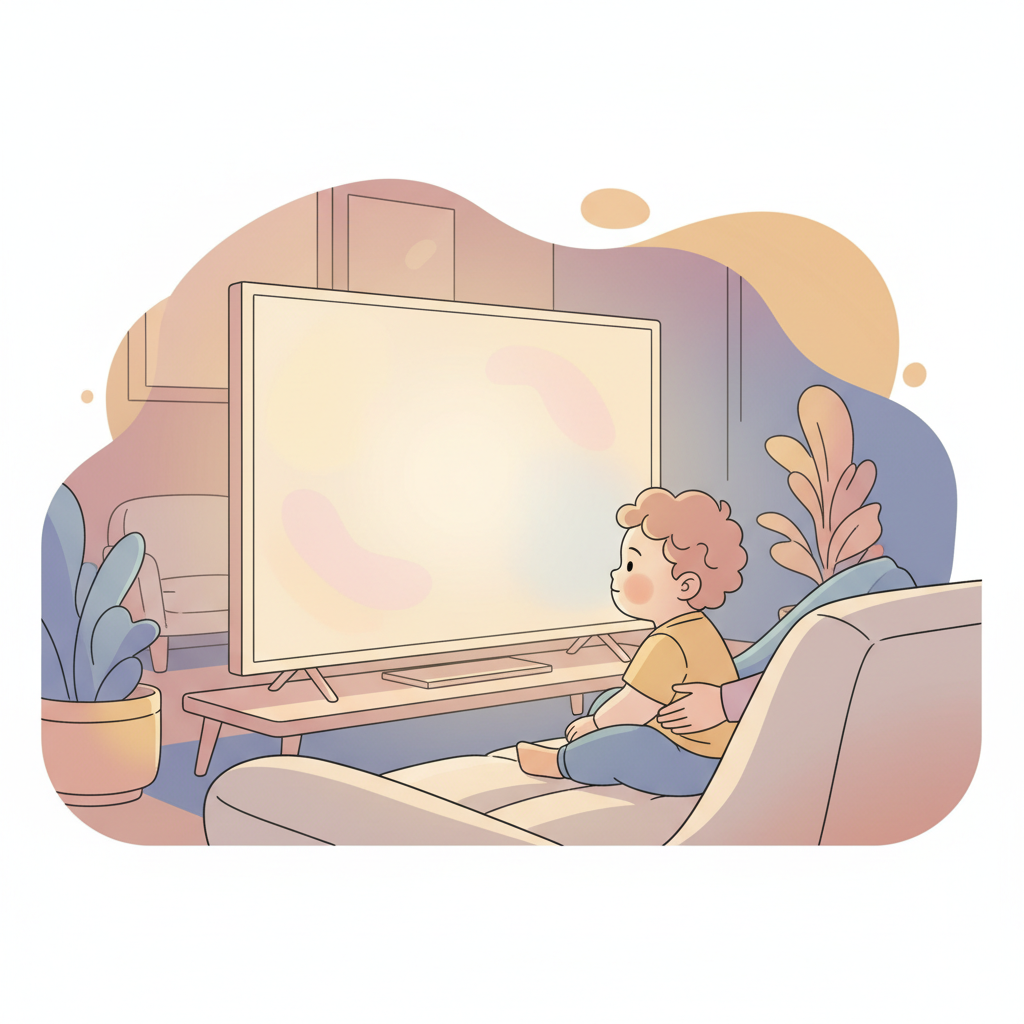
Toddler Calm During Fever: When TV Is the Only Solace
Your toddler has a fever, and the only thing that seems to bring them a moment of peace is the glow of the television screen. It's a common scenario for parents: wrestling with the desire to comfort a sick child while also remembering general screen time advice. This is precisely the dilemma many of us face. Your toddler is only calm watching TV during illness and fever, and you're wondering how to navigate this.
This isn't about abandoning all screen time rules when your child is unwell. It's about understanding how to use this tool effectively and mindfully to support them through a difficult patch of illness. The goal is to provide comfort and a sense of normalcy for your child when they need it most, while still keeping the bigger picture of healthy habits in mind.
The Dilemma: Comfort and Screen Time Rules
When your little one is feverish, their world can feel overwhelming. They might be uncomfortable, bored, or simply exhausted by the physical toll of being sick. In these moments, a familiar show or a favorite movie can be a powerful source of distraction and comfort. It can quiet fretfulness, allowing them to rest or even feel a little bit more like themselves for a short while.
This is where the parent's challenge lies. We're often armed with guidelines suggesting limited screen time for toddlers. But when your child is actively unwell, those rules can feel less absolute. The question becomes: how do we balance the immediate need for comfort with the long-term goals for our child's development?
Why Feverish Toddlers May Seek Screen Time
Feverish toddlers often experience a range of symptoms that can make them want to be still and passively entertained. They might feel too weak to engage in active play, too achy to be cuddled constantly, or simply too drained to focus on much else. The predictable narratives and bright visuals of television can provide a much-needed escape, requiring minimal energy expenditure.
For a child who is otherwise difficult to soothe, the passive engagement offered by screen time can be a lifeline for parents, allowing for moments of respite and observation without constant fuss. It can be a way for your sick toddler to cope with their discomfort when other usual comforts aren't enough.
Understanding the Guidelines on Screen Time During Illness
The American Academy of Pediatrics (AAP) provides clear guidance on media use for young children. These recommendations are designed to promote healthy development and ensure children have ample opportunities for unstructured play, social interaction, and physical activity.
General Recommendations: What the AAP Says
Per the AAP, for children younger than 18 months, it's recommended to avoid screen media use other than for video chatting. For children 18-24 months, parents can introduce quality programming if they watch with their child to help them understand what they are seeing. For children 2-5 years, the AAP recommends limiting screen use to 1 hour per day of high-quality programs.
The AAP emphasizes that this time should be co-viewed with caregivers. Additionally, they suggest establishing a family media plan that sets clear limits on media use and helps manage screen time to ensure it doesn't displace adequate sleep, physical activity, and other behaviors essential for health. You can find the full AAP screen time guidelines here.
Flexibility During Acute Illness: A Nuanced View
While the AAP's general guidelines are important for establishing healthy habits, most experts understand that acute illnesses call for a degree of flexibility. When a toddler is sick, their needs and behaviors can shift significantly. The AAP acknowledges that during times of illness, parents may need to adapt their usual routines.
The focus during a feverish illness shifts to comfort and recovery. If screen time is the most effective way to provide that comfort and allow your child to rest, it can be a tool to utilize. The key is to remember that this is typically a temporary adjustment, and the goal is to return to more balanced media habits once your child is well.
Strategies for Mindful TV Time During Fever
When screen time becomes your toddler's primary source of calm during a fever, approaching it with intention can make a significant difference. This is about managing screen time for a sick toddler effectively, not just letting it run unchecked.
Choosing Calming Content
Not all screen time is created equal, especially when dealing with an unwell child. Opt for content that is soothing and educational rather than overly stimulating or fast-paced.
Here are some suggestions for calming content:
- Nature documentaries: Soft narration and beautiful imagery can be very peaceful.
- Simple animated shows: Look for programs with gentle music and predictable storylines.
- Music-focused shows: Soothing songs can help relax a tense child.
- Episodes designed for preschool learning: These often have a slower pace and clear educational messages.
Avoid programs with loud noises, rapid scene changes, or intense emotional content, which could agitate a sensitive, feverish child.
Setting Intentional Limits (Even When Sick)
Even though you're managing your toddler's fever and prioritizing comfort, it's still beneficial to set some loose boundaries. This doesn't mean rigidly adhering to the 1-hour rule, but rather being mindful of how much time is passing and ensuring it doesn't completely eclipse other needs.
Consider these approaches to setting limits:
- Time blocks: Decide on specific durations for TV watching, perhaps 30 minutes to an hour at a time, with breaks in between.
- "First, then" statements: "First, you can watch your show for 30 minutes, then we'll try some quiet play."
- Visual timers: For older toddlers, a visual timer can help them understand when screen time is about to end, potentially reducing resistance.
The idea is to use the screen time as a tool during specific periods of rest or low energy, rather than having it be a constant backdrop throughout the day.
Balancing Screen Time with Other Comforts
While TV can be a powerful comfort, it shouldn't be the only comfort offered. To support your toddler's recovery and well-being, it's important to weave in other activities that can help them feel better.
Think about incorporating:
- Gentle cuddles and quiet reading: Offer physical closeness and soft stories.
- Comfortable rest periods: Ensure they have a cozy spot to sleep and recover.
- Hydration and nutrition: Offer favorite, easily digestible foods and plenty of fluids, even if intake is reduced.
- Low-key interaction: Talk softly, sing gentle songs, or just be present with them.
Screen time can be one piece of the toddler illness comfort puzzle, but it’s essential to ensure other nurturing activities are also part of the picture.
Signs Your Toddler Needs More Than a Screen
The presence of a fever can mask other concerning symptoms. While screen time can be a useful tool for comfort, it’s crucial to recognize when your child’s condition warrants more attention. The number on the thermometer isn't always the most important indicator; your child's overall behavior and well-being are key.
When to Call the Pediatrician
The Centers for Disease Control and Prevention (CDC) offers guidance on when to seek medical attention for a fever in children. It’s always best to err on the side of caution, especially with young children.
According to the CDC, you should contact your pediatrician if your child:
- Is under 3 months old and has a rectal temperature of 100.4°F (38°C) or higher.
- Has a fever that lasts longer than 2 days.
- Seems unusually irritable, difficult to wake, or not interacting with you.
- Shows signs of dehydration, such as fewer wet diapers or crying without tears.
- Has other concerning symptoms like a stiff neck, rash, or difficulty breathing.
You can find more detailed information on the CDC's fever guidance here.
Observing Activity Levels and Engagement
Beyond the fever itself, pay close attention to your toddler's overall demeanor. A child who is recovering might still be subdued but will likely show moments of engagement. A child who is seriously ill might remain lethargic and unresponsive, even when not actively watching the screen.
Consider these observations:
- Interest in surroundings: Do they look around the room, or do their eyes remain glazed over?
- Response to comfort: Do they briefly respond to cuddles or a comforting voice, or do they seem unreachable?
- Hydration: Are they taking any fluids, even small sips, or refusing everything?
- Breathing: Is their breathing even and unlaborn, or is it rapid or difficult?
If your toddler is exhibiting significant changes in their usual behavior, appears to be worsening, or you have any general concerns about their toddler illness comfort, it’s always wise to reach out to your pediatrician.
Transitioning Back After the Fever Breaks
Once the fever subsides, your toddler will likely begin to feel more like themselves again. This is a natural time to gently guide them back toward their usual routines and activities, including reintroducing more balanced screen time habits.
Gradually Reintroducing Other Activities
As your child’s energy levels return, start by offering other forms of engagement. This could involve simple games, reading books together, or a short, quiet walk if they are up to it. The goal is to re-engage them with the world around them and remind them of the many enjoyable things they can do.
Observe their cues. If they seem tired, allow them to rest. If they are eager to play, encourage it, but perhaps start with less vigorous activities. This gradual reintroduction helps them reintegrate into their normal developmental rhythm.
Addressing Potential Screen Time Dependence
It's common for children to be drawn to screens during illness. After the fever breaks, you might notice them reaching for the TV as a default comfort. This is an opportunity to gently reinforce healthier habits.
Use these strategies:
- Offer appealing alternatives: Have engaging toys, books, and art supplies readily available.
- Schedule screen time: Re-establish a routine that includes specific times for media use, rather than allowing it to be constant.
- Co-viewing: When screen time does occur, participate with your child to make it a shared, interactive experience.
Remember, it’s about re-establishing balance. This transition is a normal part of managing fever in toddlers and restoring healthy routines.
In these moments of illness, it's natural to seek out what brings your child comfort. Navigating screen time during a toddler's fever requires a thoughtful approach – leveraging it for calm when needed, while always remaining attuned to their overall well-being and health. When in doubt about your child's specific situation, always check with your pediatrician.