Toddler Only Eats White Foods? Expert Tips for Picky Eaters
Is your toddler refusing anything but white foods like pasta and bread? Discover the reasons behind picky eating and gentle strategies to expand their palate.
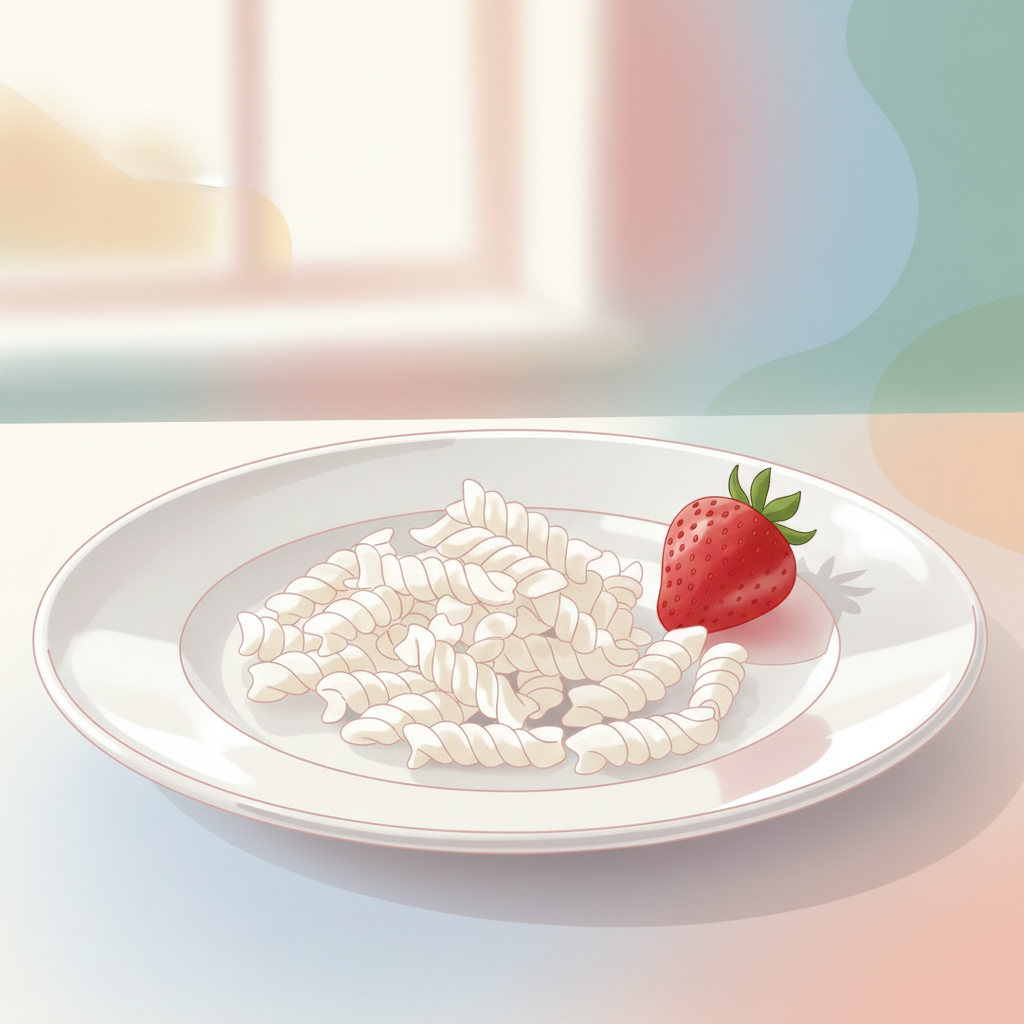
My Toddler Will Only Eat White Foods: A Mom's Guide to Dodging the Beige Plate
It was 8:17 PM and I was staring into the abyss of our refrigerator, a deep, existential dread settling in. My 2-year-old, Finn, had, for the third night in a row, declared “NO!” to anything that wasn’t white, bland, and preferably carb-based. We’re talking plain pasta, white rice, white bread, and maybe, if he was feeling adventurous, a potato that had been scrubbed clean of any peel. My beautiful, colorful vision of family meals had dissolved into a landscape of beige. My toddler only eats white foods like pasta and bread, and honest to goodness, I was starting to feel like a failure.
If you're deep in the toddler trenches and your little one's plate looks like a ghost’s picnic, you are not alone. Real talk: this "white foods only" phase is a whole thing. It’s enough to make any parent question their sanity, their grocery shopping skills, and the nutritional integrity of their child’s existence.
Why This Whole Beige Craze?
Look, it's easy to get frustrated, but there are actually some pretty normal reasons why toddlers get stuck on a culinary rut. It’s not just spite, I promise.
The Brains of the Operation (and the Fear)
One of the biggest players here is something called neophobia. It’s basically a fear of new things, and it hits toddlers hard, especially around the age of 2. Their world is expanding at lightning speed, and while that’s exciting, it can also be a bit overwhelming. Food is one of the things they have some control over, and say “no” they will.
New foods often look, smell, taste, or feel different. For a toddler who's still figuring things out, sticking to the familiar—the bland, the predictable, the safe—is a comforting strategy. They are little scientists, experimenting with their world, and sometimes that experiment involves rejecting the broccoli.
Growing Up and Gearing Down
Developmentally, toddlers are also wired to be a bit pickier. They’re becoming more independent, asserting their preferences. Their growth rate slows down after that explosive first year, so they simply don't need as much food. This can make their picky eating habits feel even more pronounced because less intake feels like a bigger deal.
And let's be honest, that sweet, bland flavor profile of white foods? It’s often pretty appealing to a developing palate. They're not necessarily trying to starve themselves; they're just gravitating towards what feels good and safe right now.
Drowning in a Sea of White
So, what does this "white foods only" scenario actually look like day-to-day? It’s the silent dread of meal prep, the endless requests for the same three things, and the nagging worry that you’re not providing enough.
The Usual Suspects
You know them well. The trinity of toddler-approved white sustenance:
- Pasta (plain, with butter, or maybe a very light white sauce)
- Bread (toast, sandwiches, crackers)
- Rice (plain, usually)
- Potatoes (fries, mashed, baked)
Sometimes, you might get a lucky break with yogurt or a banana, but often, it’s a spectrum of pale.
The Parent's Dilemma
It’s a constant battle of wanting to nourish your child versus wanting to avoid a full-blown tantrum. You try to offer a rainbow of fruits and vegetables, showcasing them in beautiful bowls, only to have them pushed away or met with a dramatic sigh.
The frustration is real. You worry about nutrition, about iron deficiencies, about them never experiencing the joy of a perfectly roasted carrot. You might even see other kids enthusiastically munching on everything and feel like you’re the only one with a picky toddler who won't eat vegetables. How do you get toddlers to eat healthy foods when all they want is the familiar?
A Gentle Approach to Adding Color (Slowly!)
Okay, deep breaths. This isn't about winning a food war. It's about creating a more positive relationship with food, one tiny step at a time. The goal is expansion, not immediate elimination of their "safe" foods.
The Power of the Pack
One of the most effective tools you have is modeling. Eat with your toddler as much as possible. Let them see you genuinely enjoying a variety of foods, including the colorful ones. Make mealtimes a family affair, even if it’s just for 15 minutes.
Your genuine enthusiasm (or at least calm acceptance) of different foods can rub off. If they see you happy and relaxed around a plate of mixed veggies, it’s less intimidating for them.
Tiny Tastes and Gradual Exposure
This is where patience becomes your superpower. Don't expect them to suddenly devour a bowl of spinach. Start small.
- Put a single pea, a sliver of bell pepper, or a tiny piece of broccoli on their plate next to their beloved pasta.
- It doesn't even have to be eaten. Just the presence of it is exposure. This is sometimes called "food chaining"—linking new foods to familiar ones.
Allowing them to see, touch, and maybe even lick a new food without any pressure is huge. This gradual exposure is key to overcoming neophobia.
The 'Safe Food' Ally
This is my favorite strategy for expanding a white foods toddler diet. Pair the new with the familiar.
- Serve a small portion of sweet potato fries alongside their regular white pasta.
- Add a single, tiny piece of chicken breast into their bowl of white rice.
- Offer a few blueberries next to their piece of toast.
Their focus will likely be on the safe food, but the new food is there, in their space, being normalized. They might eventually explore it. If they do, celebrate internally, and keep it low-key outwardly. No big fanfare that might make them skittish.
Making Food Fun (Without the Sneak Attack)
Hiding pureed carrots in mac and cheese is a tempting option, but it can backfire, undermining trust. Instead, let's make food an adventure in other ways.
Play with Your Food
Get creative with shapes and textures. Cookie cutters aren't just for cookies!
- Use them on sandwiches, cheese slices, or even soft fruits. A star-shaped cucumber is way more interesting than a regular slice.
- Let them explore different textures. Offer crunchy crackers, soft bread, smooth yogurt.
This sensory play can make food less scary and more engaging.
Little Hands, Big Help
Involving your toddler in simple meal prep can be surprisingly effective. Even very young toddlers can help.
- Let them wash fruits and veggies (with supervision, of course).
- Have them tear lettuce leaves or put pre-cut veggies into a bowl.
- Let them sprinkle herbs or a tiny bit of cheese.
When they have a hand in making the food, they often feel more inclined to try it.
No Pressure Zone
The mealtime environment matters SO much. If every meal is a battle, everyone will dread it.
- Keep it light and positive. Talk about your day, not just about what they are or aren't eating.
- Avoid pleading, bribing, or forcing. This creates negative associations and power struggles.
- Remember the division of responsibility: you provide the healthy foods, and they decide how much to eat from what's offered. It sounds simple, but it's revolutionary.
When the White Plate Feels Like a Red Flag
Most of the time, this "white foods only" phase is just a phase. But sometimes, it’s important to have a conversation with your pediatrician.
Watching for Warning Signs
While a diet of mostly carbs isn't ideal, toddlers are surprisingly resilient. However, be aware of these signs that might warrant a chat:
- Significant weight loss or failure to gain weight.
- Extreme fatigue or lethargy.
- Gastrointestinal issues like persistent constipation or diarrhea.
- Signs of nutrient deficiencies, though these are less common in developed countries.
Your pediatrician can assess your child’s growth and recommend specific supplements if needed, like iron or vitamin D. Extensive research suggests early intervention is key.
Is This Something More?
While rare, extreme picky eating can sometimes be linked to other issues, such as sensory processing challenges, oral motor difficulties, or underlying medical conditions.
If the picky eating is causing severe distress for the child or family, or if you have genuine concerns about their health and development, don't hesitate to reach out. Your pediatrician can rule out medical issues and refer you to specialists like a registered dietitian or feeding therapist if necessary.