Toddler Refusing Food After Illness: Tips for Parents
Is your toddler refusing previously loved foods after illness? Learn why this happens and get gentle, effective strategies for encouraging them to eat again.
The Toddler Who Vanished From the Dinner Table: Navigating Food Refusal After Illness
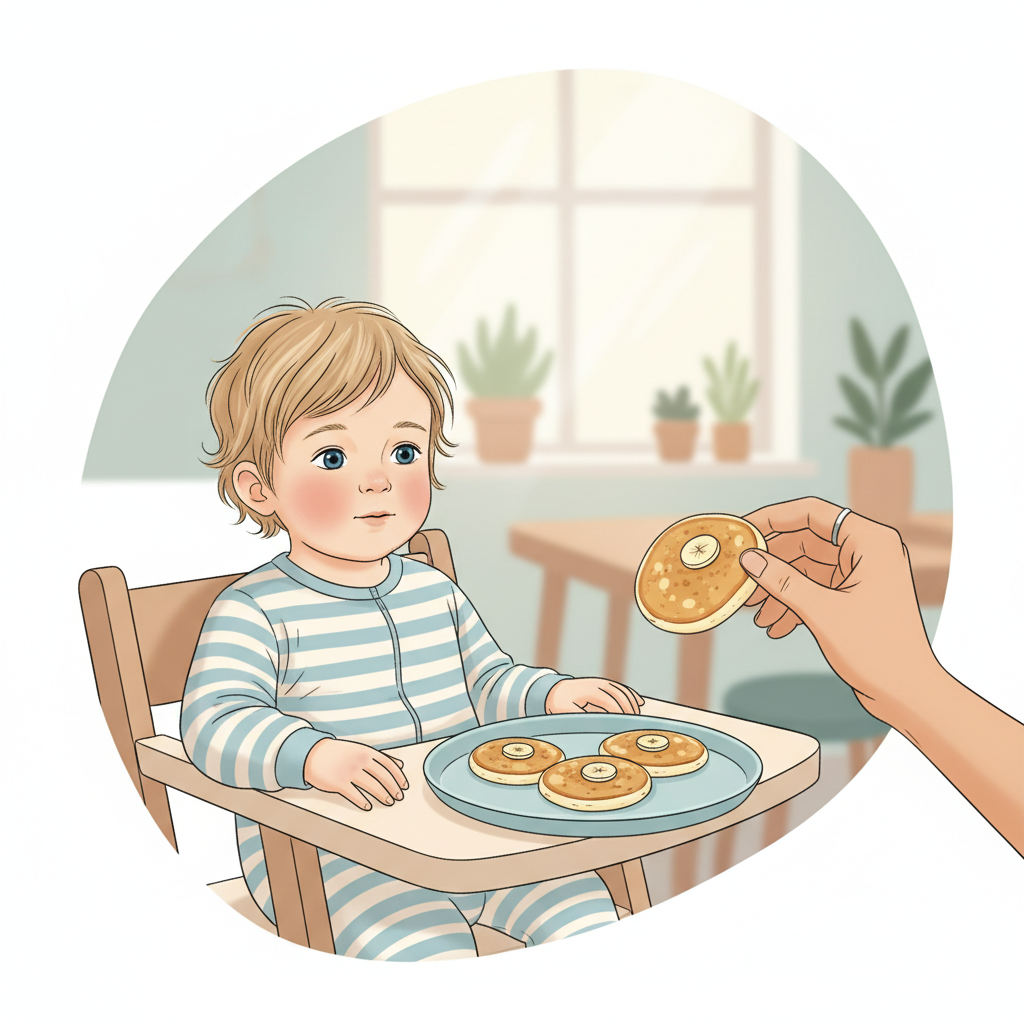
It was 2:00 a.m., and I was tiptoeing out of Noah’s room, my heart aching. He’d finally drifted off after a rough few nights with a fever. But the victory was hollow because, as I glanced at the uneaten pile of his favorite banana pancakes from dinner, I knew the battle wasn’t over. This was the third day he'd barely touched his food, and the panic started to set in. The pediatrician had assured me his illness was likely a simple bug, but this persistent toddler refusing previously loved foods after illness? It felt like a whole new crisis.
If you’re in this boat right now, rocking a little one who’s suddenly turned their nose up at everything, please know this: I’ve been there. The silence at the dinner table after weeks of enthusiastic munching is deafening. It’s unsettling when your normally ravenous little human seems to have lost all interest in food. You are not alone in this feeling of helplessness.
It’s Okay If They’re Not Eating Much Right Now
The first thing I had to tell myself, over and over, was that a temporary drop in appetite is completely normal after a child has been sick. Their bodies have been using all their energy to fight off whatever bug they had. It makes sense that food isn't top of mind.
Think about it. When you’re feeling under the weather, are you craving a five-course meal? Probably not. You’re likely wanting bland, comforting things, or maybe just… nothing at all. Our toddlers are no different. Their little systems are recovering, and that includes their digestive systems and their desire to eat.
The American Academy of Pediatrics (AAP) actually has a lot to say about toddler nutrition, and the overarching message is that toddlers have unpredictable appetites. They can eat a ton one day and hardly anything the next, and that’s usually fine. When they’re sick, this pattern is amplified. Their bodies are prioritizing healing, not growth spurts.
Understanding Appetite Changes After Illness
It’s easy to feel anxious when you see that plate coming back mostly full after they’ve been sick. We have this mental picture of what our toddlers should be eating, and when that picture is disrupted, we worry. But the truth is, illness significantly impacts their desire and ability to eat.
Sometimes it’s just a matter of feeling a bit off, and the taste or smell of food is unappealing. Other times, a stomach bug can leave them feeling nauseous or with an upset tummy, making the thought of eating anything unpleasant. This loss of appetite in a toddler after illness is a common, albeit stressful, phase.
What the AAP Says About Toddler Nutrition
The AAP emphasizes that, over the course of a week, toddlers generally get the nutrition they need. It’s less about what they eat at each individual meal and more about the overall pattern. They also highlight that toddlers are excellent at self-regulating their intake. If they don't eat much at one meal, they'll often make up for it at the next, provided healthy options are available.
This is a crucial concept when your toddler isn't eating after a cold. It's a reminder that you don't need to turn every meal into a battle. Their bodies know what they need, and forcing them to eat will only create more stress for everyone.
Don’t Force It: Patience is Key
This is, hands down, the hardest part. Every instinct screams, “Just get them to eat SOMETHING!” But I’m here to tell you, from personal experience and from hearing from countless other moms, that forcing a toddler to eat will likely backfire.
When you pressure a child to eat, especially when they’re recovering from being sick, you’re creating negative associations with food and mealtime. They might start to dread meals, not because they aren’t hungry, but because they associate it with stress and coercion. This can be the start of a longer picky eating journey.
The primary keyword here is patience. It feels counterintuitive when your child isn't gaining weight or seems to be subsisting on air, but it’s the most effective approach. They need to feel safe and supported, not cornered.
Why Pressuring Them Can Backfire
Look, my little Noah is a sweet boy, but even he can dig his heels in. When I tried to coax him with “just one more bite” or made those slightly-too-eager pleading eyes, he’d clam up even more. The energy around the table shifted from calm to tense.
This isn't just about toddlers. Think about yourself. If someone were constantly nudging you to eat when you felt unwell, would you feel more or less inclined to? Usually, less. They connect the food with the pressure, and then they start rejecting the food itself.
The goal is for them to eventually regain their appetite and associate food with comfort and pleasure, not with anxiety.
Focus on Hydration First
When their appetite is gone, and they’re recovering from an illness, prioritizing hydration is paramount. This is especially true after a stomach bug where dehydration is a real concern.
Offer water, milk, or diluted juice frequently. Oral rehydration solutions (like Pedialyte) are also excellent if they’ve had significant vomiting or diarrhea. Sometimes, even a popsicle made from diluted juice can be a win. Getting fluids in is often more critical than getting solid food in during the immediate aftermath of illness.
This will help them feel better overall, and as they rehydrate, their appetite will start to return more naturally.
Reintroducing Favorites Gently
Once the worst of the illness has passed, and your toddler is starting to seem a little more like themselves (even if they’re still not eating much), it’s time to gently reintroduce their favorite foods.
The idea here is to bring back positive associations with food without any pressure. It’s about reminding them of the joy and comfort that their beloved meals used to bring.
Small Portions of Familiar Foods
Don't put a full plate in front of them. Start with very small portions of things you know they usually love. Think a quarter of a pancake, one bite-sized piece of chicken, or a few sticks of cucumber.
The smaller portion is less intimidating. It also means that if they do eat it, it feels like a success for them, not an overwhelming task. It’s about making it feel manageable and achievable.
This is a practical step to help overcome appetite loss in a toddler after sickness. You’re not forcing them to eat a new, scary food; you’re simply offering a small bit of something that used to bring them comfort and joy.
Pairing Old Favorites with New (Low-Pressure) Options
Sometimes, the familiar taste of an old favorite can be the hook that gets them eating. You can introduce a tiny new food alongside it, but with zero expectation that they’ll eat it.
For example, if they love pasta, offer a small portion of their usual pasta. Then, place a single pea or a tiny sliver of cooked carrot on the side of the plate. They might ignore it, they might touch it, or they might even surprise you and try it.
The key is that the familiar food is the main event, and the new food is just… there. No commentary, no pushing. This is a gentle way to expose them to new tastes and textures again.
Making Mealtime Low-Pressure Again
The atmosphere around food is just as important as the food itself, especially when you’re dealing with a toddler refusing previously loved foods after illness. We want to return to a place where mealtime is enjoyable for everyone.
This means taking the focus off quantity and putting it back onto connection and creating happy memories around food.
Involving Them in Simple Prep
Even if they can’t eat much, involving your toddler in simple food preparation can sometimes pique their interest. This might be as simple as washing some soft fruits or vegetables, or tearing lettuce leaves.
For Noah, when he was recovering, I’d let him sit in his high chair and ‘help’ me put blueberries in a bowl while I made a smoothie. He wasn’t eating it, but he was engaged in the process. It brought a little bit of normalcy and fun back to the kitchen.
This can be a great way to rebuild their positive connection with food without the pressure of actual consumption.
Distraction-Free Mealtimes
Turn off the TV. Put away the tablets. Make mealtime a family affair, even if your toddler is only taking a few bites.
When there are no distractions, you can better gauge their hunger cues and engage with them. It also helps them focus on the food and the experience of eating together. This is crucial for getting back on track after a period of sickness.
The goal is reconnection, and that’s harder to do when everyone’s eyes are glued to a screen.
When to Call the Pediatrician
While appetite loss, picky eating after illness, and a general disinterest in previously loved foods are common, there are times when you should seek professional advice. It’s about knowing when to trust your mom gut.
If your toddler isn't eating after a cold or any illness, pay attention to other signs in their overall behavior and physical state.
Signs Your Toddler Needs More Medical Attention
- Significant weight loss or failure to gain weight over time: This is the most obvious sign. If they are consistently losing weight or not gaining according to their growth curve, it’s time to talk to the doctor.
- Signs of dehydration: This includes fewer wet diapers (less than 4 in a 24-hour period), dry mouth, no tears when crying, sunken eyes, or extreme lethargy.
- Extreme lethargy or irritability: If your toddler is significantly more tired than usual, uninterested in playing, or unusually fussy for prolonged periods, it’s worth a call.
- Vomiting or diarrhea that doesn’t stop: If these symptoms persist for more than a day or two without improvement, they can lead to dehydration and other complications.
- Refusal of all liquids: If they aren't even taking sips of water or milk, this is a major red flag for dehydration.
- Blood in stool or vomit.
Discussion on Specific Concerns
Your pediatrician is your best resource for discussing any specific concerns you have about your toddler’s eating habits. They can assess your child’s overall health, growth, and address any underlying issues.
They can also offer personalized advice based on your child's specific situation. Sometimes, a child might have an underlying sensitivity or a subtle issue that’s contributing to their picky behavior after illness. Don’t hesitate to ask them about how to get a toddler to eat after sickness, or if the current situation is typical.
This stage feels intense, I know. But it’s a temporary chapter in the grand, messy, beautiful book of raising a human. Your child is resilient, and with a little patience, a lot of love, and no pressure, they will find their appetite again. You’ve got this, mama. You’re doing a great job.