Baby-Led Weaning: Toddler Refusing Veggies? Gentle Ideas
Is your toddler refusing all vegetables? Discover gentle baby-led weaning ideas and strategies to encourage exploration and build healthy eating habits without pressure.
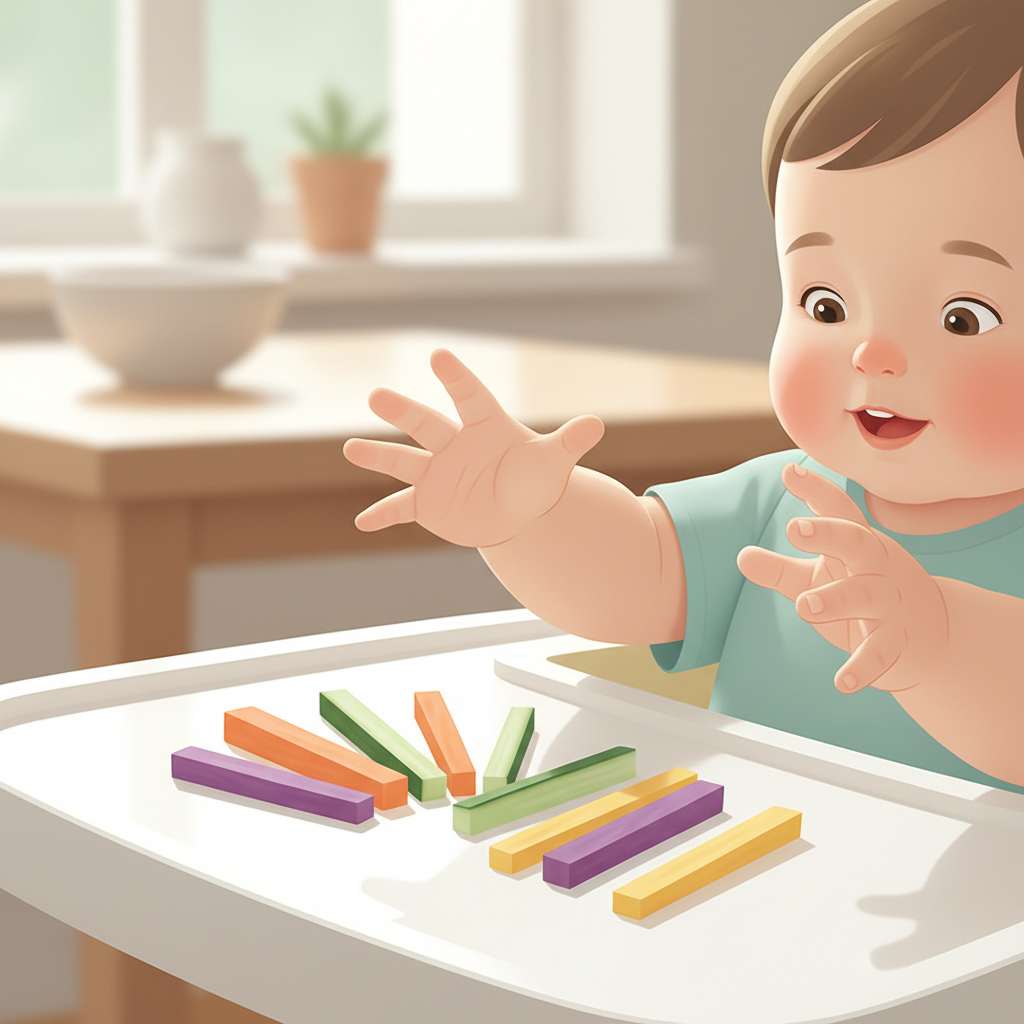
Toddler Refusing All Vegetables? Baby-Led Weaning Ideas That Actually Work
It was 8:03 a.m. and I stared into Noah's lunchbox, a sinking feeling in my stomach. Half-eaten avocado, a few stray peas that had escaped his grasp, and… nothing else. My smart, adventurous eater, the one who happily munched on sweet potato rounds just weeks ago, had officially declared war on all things green (and orange, and yellow, and red). The truth is, seeing my toddler refusing all vegetables, even with the foundation of baby-led weaning ideas, felt like a personal failure. But here's the thing: it's not.
Is Your Toddler Suddenly a Veggie Snob?
Look, if you're in the thick of it, wondering why your little one who once devoured broccoli florets now shoves them away like they're poison, you are SO not alone. This phase, often called picky eating, is incredibly common. It tends to ramp up after 18 months, and honestly, it can be a shock to the system.
BLW is supposed to be this chill, self-directed way of eating, right? And for the most part, it is! But toddlerhood brings a whole new set of challenges. They're asserting independence, testing boundaries, and discovering their own preferences. What was acceptable yesterday might be a complete no-go today.
It's a natural developmental stage, this push for autonomy. They're learning what they like and what they don't, and sometimes that means saying "no" to a whole food group.
Beyond the 'Hiding Veggies' Trick: Gentle BLW Ideas
My first instinct was to chop broccoli into microscopic pieces and sneak it into everything. But with baby-led weaning, the philosophy is so much more about exposure than consumption. It’s about letting them explore, touch, and taste whatever is offered, without pressure.
This is where getting a little creative comes in. Think beyond just plopping steamed carrots on their tray. How can you make food interactive and less threatening?
- Sensory play with food: Let them play! This might mean letting Noah dip his hands in pureed spinach (think of it as edible finger paint, just cleaner… maybe) or exploring the texture of soft-cooked bell peppers. It’s about familiarizing them with the look, smell, and feel.
- Deconstructed meals: Instead of a mixed-up plate, serve components separately. A few sweet potato wedges, some plain pasta, a side of unsweetened applesauce, and a small portion of the offending veggie. They can choose what to try.
- 'Build-your-own' plates: Think mini pizzas where they put their own toppings, or taco night where they assemble their own. Giving them control, even in small ways, can make a big difference. This is a key strategy for baby-led weaning picky eaters.
Creative Veggie Presentation for Toddler Appeal
When your toddler is refusing all vegetables, sometimes all it takes is a different presentation. We're not talking about elaborate food art (unless you have the energy for it, you rockstar!), but simple tweaks can often capture their attention.
- Veggie 'fries' and 'chips': Baked sweet potato, zucchini, or even parsnip fries are usually a hit because they resemble a familiar snack. Same goes for thinly sliced, baked apple or kale chips (choose low-sodium options, of course).
- Dips and sauces: This is HUGE. Sometimes a dip is all it takes to make a vegetable seem less daunting. Hummus, plain unsweetened yogurt, a mild guacamole, or even a simple applesauce can encourage dipping and tasting. It transforms the eating experience.
- Fun shapes and cookie cutters: Cutting softer vegetables like cucumbers, bell peppers, or even cooked sweet potato into fun shapes can make them more appealing. Stars, hearts, little animals – it’s a small effort that can yield big results.
Making Mealtimes Low-Pressure
The most important thing I learned is that mealtimes should never be a battleground. This is where the "division of responsibility" comes in, a concept from feeding experts. Your job is to decide what food is offered, when it's offered, and where it's offered. Your toddler's job is to decide whether to eat it and how much to eat.
Resisting the urge to coax, bribe, or force is tough, I know. But power struggles around food can create long-term negative associations. Instead, focus on creating a relaxed, positive mealtime environment.
- Serve family meals: Whenever possible, eat together as a family. Toddlers learn by watching. Seeing you and other family members enjoying a variety of foods is powerful modeling.
- Keep it light: If they don't eat their peas, so be it. Offer them again another day. Don't make a big deal out of it. Their appetite will fluctuate, and that's okay.
- One meal for everyone: While you can serve components separately, try to offer the same meal (with variations of course) to everyone. This avoids toddler-specific meal prep, which is exhausting.
Remember, your toddler won't starve themselves. If they're refusing vegetables today, they'll likely explore them again tomorrow or next week. It's a marathon, not a sprint.
When to Seek Professional Guidance
Most of the time, this phase is temporary. However, there are some signs that suggest your little one might need a little more support. If you're noticing any of these, it’s always a good idea to chat with your pediatrician.
- Significant weight loss or poor weight gain: This is the most critical sign. If your pediatrician is concerned about their growth, it warrants a closer look.
- Extreme food limitations: If your toddler is eating fewer than 20-30 foods, and those foods are primarily from a narrow category (like only crackers and juice), it might be an issue.
- Gagging or choking frequently on textures: While gagging is normal in BLW, persistent or severe issues might need attention.
- Behavioral issues around food: If mealtimes are causing extreme distress for your child or your family.
Trust your gut. Your pediatrician can offer guidance, rule out any underlying medical issues, and potentially refer you to a feeding therapist or registered dietitian if needed. They are your partners in all of this.
This journey with our little ones is all about learning, adapting, and showing up. Even when they're telling us, loud and clear, that they'd rather lick the table than touch a carrot. You're doing a great job, mama. Keep offering, keep exploring, and know that this phase will pass.