Toddler Wakes Up Screaming: Nightmares vs. Night Terrors
Is your toddler waking up screaming, terrified of shadows? Learn to distinguish nightmares from night terrors and discover gentle ways to offer comfort and create a peaceful sleep environment.
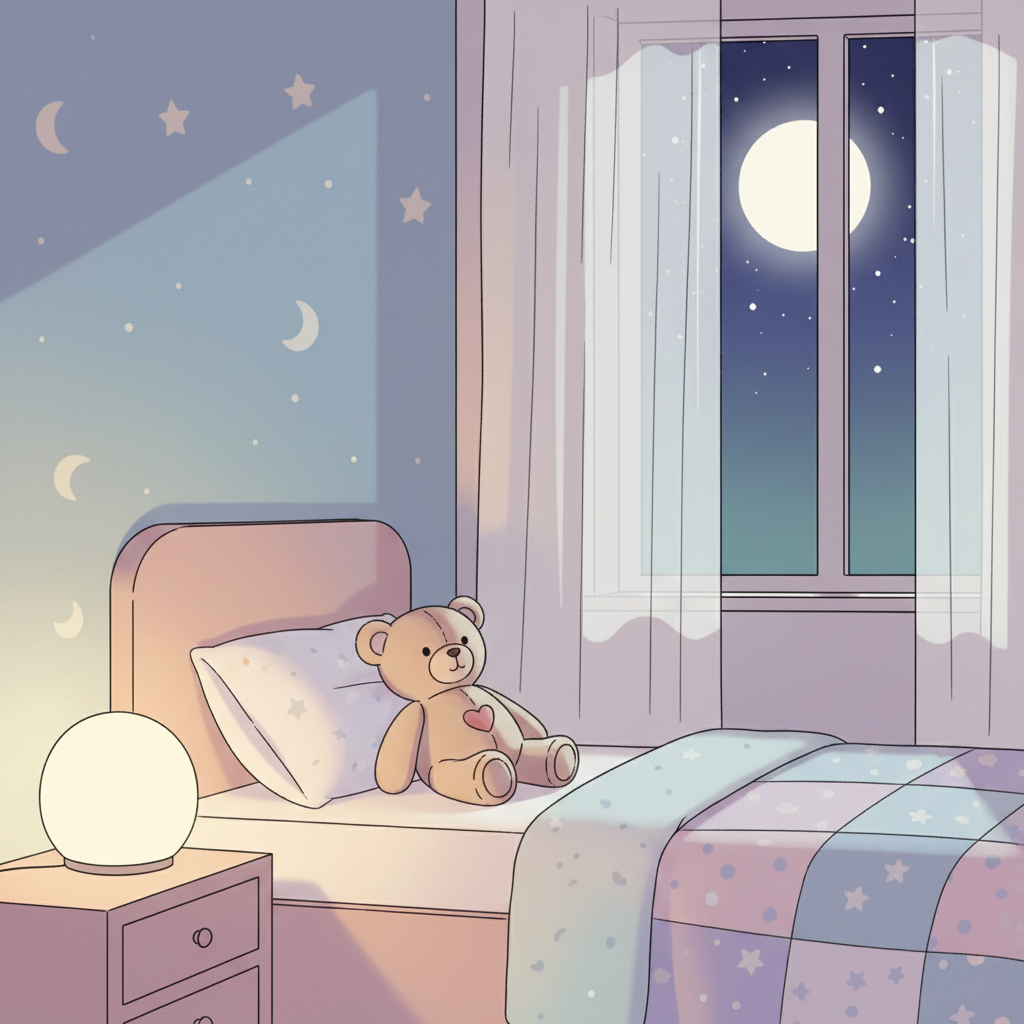
Toddler Screams at Shadows? You've Got This.
It was 2:17 a.m. and the house was silent. You know that kind of silent? The one that feels heavy, pregnant with anticipation of the first cry? And then it came. Not a whimper, but a full-blown, gut-wrenching scream that ripped through the quiet. My little Noah, my usually sweet, sleepy nine-month-old, was suddenly wide awake and absolutely terrified. He wasn't just crying; he was thrashing, his little face contorted in pure panic. My heart leaped into my throat. What was happening?
Tonight, it was the shadows in his room. Last night, it was the rustle of leaves outside the window. The truth is, sometime around the toddler years, or even a bit before, our littles start experiencing new kinds of fear. And as a first-time mom, I had absolutely zero idea how to handle it, especially when my toddler wakes up screaming, terrified of shadows. It felt like we'd regressed, and I was back in the trenches of constant wake-ups, but now with an added layer of — oh my gosh, is he okay?!
Real talk: this is not the cute "baby giggles" part of parenting. This is the messy, "what the heck do I do now?" part. You're not alone if you’re finding yourself Googling at 3 AM, trying to decipher if your child is having a nightmare or something else entirely.
Nightmare or Night Terror? Decoding the Midnight Meltdown
The first thing I learned about these sudden nighttime scares is that they aren't all created equal. What looks and sounds like a nightmare might actually be a night terror. Understanding the difference helped me know how to respond, and honestly, it made me feel a little less "crazy mom."
Nightmares usually happen during REM sleep, which is more common in the second half of the night. When your toddler has a nightmare, they are more likely to wake up completely, be able to tell you something scared them (even if it's just "a monster"), and need significant comfort. They might be clingy, sad, or anxious for a while afterward.
Night terrors, on the other hand, are a bit more baffling. They typically occur earlier in the sleep cycle, often within the first few hours after falling asleep. Your child might scream, thrash, sit up in bed, and appear to be awake and terrified, but they're actually still largely asleep. They might look right through you, not recognize you, and if you try to comfort them, they could even push you away. The key thing to remember is that they usually won't remember the event in the morning. And the shadows? They're just playing tricks on a developing, imaginative little brain.
I remember one night, Noah was practically levitating in his crib, screaming his little head off. I scooped him up, and he just kept screaming, his eyes wide but unfocused. He felt hot and clammy. It was a full hour before he finally settled, and the next day, he had no recollection of it. That's when I really started looking into night terrors.
Here's why shadows can be such a big deal for little ones:
- Developing Imagination: Toddlers have incredible imaginations, which is wonderful! But it also means they can conjure up all sorts of things.
- Perception vs. Reality: That coat on the chair? In the dim light, it can easily transform into a scary figure. The branches swaying outside? They might look like grasping hands.
- Fear of the Unknown: The dark itself is unknown, and when combined with fleeting shapes, it can be a potent recipe for fear.
Offering a Gentle Hand in the Dark
When that scream jolts you awake, your first instinct is probably to rush in, but how you respond can actually make a big difference in how quickly your child calms down. My initial reaction was to panic, which I’m sure didn't help Noah.
The moment you hear that distressed cry, take a deep breath. Really. For just a second. This is crucial for you to be able to offer calm support.
- Approach calmly: Walk into their room, but don't rush in like a whirlwind. Speak in a soft, soothing voice.
- Offer physical closeness: If they are awake and receptive (not in a full night terror where they push you away), pick them up. Hold them close, rock them gently, and let them feel your presence. Your warmth and steady heartbeat can be incredibly grounding.
- Speak simple, reassuring words: "Mommy's here," "You're safe," "It's okay, just a bad dream." Keep it short and sweet.
- Avoid: Trying to talk them through the "monster" in detail (especially if it's a night terror), turning on bright lights that can further disorient them, or getting frustrated. Your calm is their anchor.
I’ve learned that sometimes, just being present is enough. I’ll sit by Noah's crib, softly humming or just "shushing" until he settles back down. It’s a delicate dance, figuring out when they need to be held versus when they just need to know you’re near.
Crafting a Sleep Space That Fights the Frights
Once you've weathered the immediate storm, it's time to think about how their sleep environment might be contributing to these fears. I used to think pitch black was best, but for a toddler experiencing these anxieties, a little bit of light can actually be a comfort.
The key is finding a night light that provides enough illumination to make shapes recognizable but isn't so bright that it disrupts melatonin production.
- Subtle Night Lights: Opt for soft, warm-toned night lights. Avoid bright blue or white lights. Some are even adjustable, allowing you to dim them to the lowest setting.
- Placement is Key: Position the night light in a way that casts a soft glow rather than creating eerie, dancing shadows. Plug it in a corner or use one that sits low to the ground.
- Room Arrangement: Take a look at your toddler's room from their perspective when it's dim. Is that pile of laundry looking like a crouching beast? Is the curtain rod casting a skeletal shadow? Try to rearrange furniture or put away toys that might create ambiguous shapes in the dark.
We moved Noah's bookshelf to a different wall, and it made a noticeable difference in the patterns of light and shadow. I also introduced a soft, fuzzy stuffed animal that he could hold onto. It’s now his trusty "sleep buddy," and he often clutches it when he stirs.
A peaceful sleep routine is your superpower here. A predictable sequence of events helps signal to your toddler that it's time to wind down and feel safe. This might include:
- A warm bath
- Pajamas
- A quiet story or two (not scary ones!)
- Cuddles and a song
- Tucking them in with their "sleep buddy"
This consistent routine builds trust and security, making them feel more prepared for sleep and less vulnerable to their own fears when they do arise.
Building Brave Little Sleepers
While immediate comfort is vital, we also want to equip our toddlers with the tools to feel less afraid in the long run. This doesn't mean never having fears, but it means building their resilience and confidence.
During the daytime, you can subtly work on this. Talk about shadows in a fun way.
- Shadow Puppets: Use your hands to make fun animal shapes on the wall. Show them how you control the shadow, and how it can be silly.
- "Monster Spray": Fill a spray bottle with water (maybe add a drop of lavender) and call it "Monster Spray." Let your child spray it around their room before bed to "chase away any grumpy shadows." It sounds silly, but it gives them agency.
- Positive Affirmations: Talk about sleep in a positive way. "We love our cozy beds," "Sleep helps our bodies grow strong!"
- Story Power: Read books about overcoming fears or about friendly characters who aren't afraid of the dark. Avoid books that focus on scary monsters.
The narrative around sleep is important. If you're constantly saying, "Oh, I hope he doesn't wake up screaming tonight," your toddler can pick up on that anxiety. Try to reframe it: "We're going to have a cozy night of sleep." You're not denying their feelings, but you're focusing on the positive outcome.
Knowing When to Call in the Experts
Most of the time, these nighttime fears, whether they're nightmares or night terrors, are a normal part of development. They’re a sign that your child's brain is growing and processing the world. However, there are times when it’s smart to check in with your pediatrician.
If your child's sleep disturbances are:
- Extremely frequent and disrupting their daytime behavior (excessive crankiness, problems concentrating)
- Accompanied by other concerning symptoms like significant changes in eating habits, persistent anxiety, or physical complaints
- If you're consistently struggling to comfort them, and it feels beyond the scope of typical toddler fears.
Sometimes, underlying issues like sleep apnea, restless leg syndrome, or even significant stress or trauma can manifest as sleep disturbances. Your pediatrician can help rule out any medical causes and offer guidance. They can also provide reassurance that what you're experiencing is often a developmental phase.
It’s comforting to remember that while these nights might feel long and scary, they are usually temporary. Your love, patience, and consistent reassurance are the most powerful tools you have. You are doing an amazing job, even when it feels like you're just winging it. Keep showing up, keep being their safe harbor, and know that you’re not alone in this journey.