Nap Time Darkness Hacks: Keep Room Dark Without Blackout Curtains
Struggling with daytime naps? Discover effective DIY ways to keep your baby's room dark without expensive blackout curtains. Simple hacks for restful sleep.
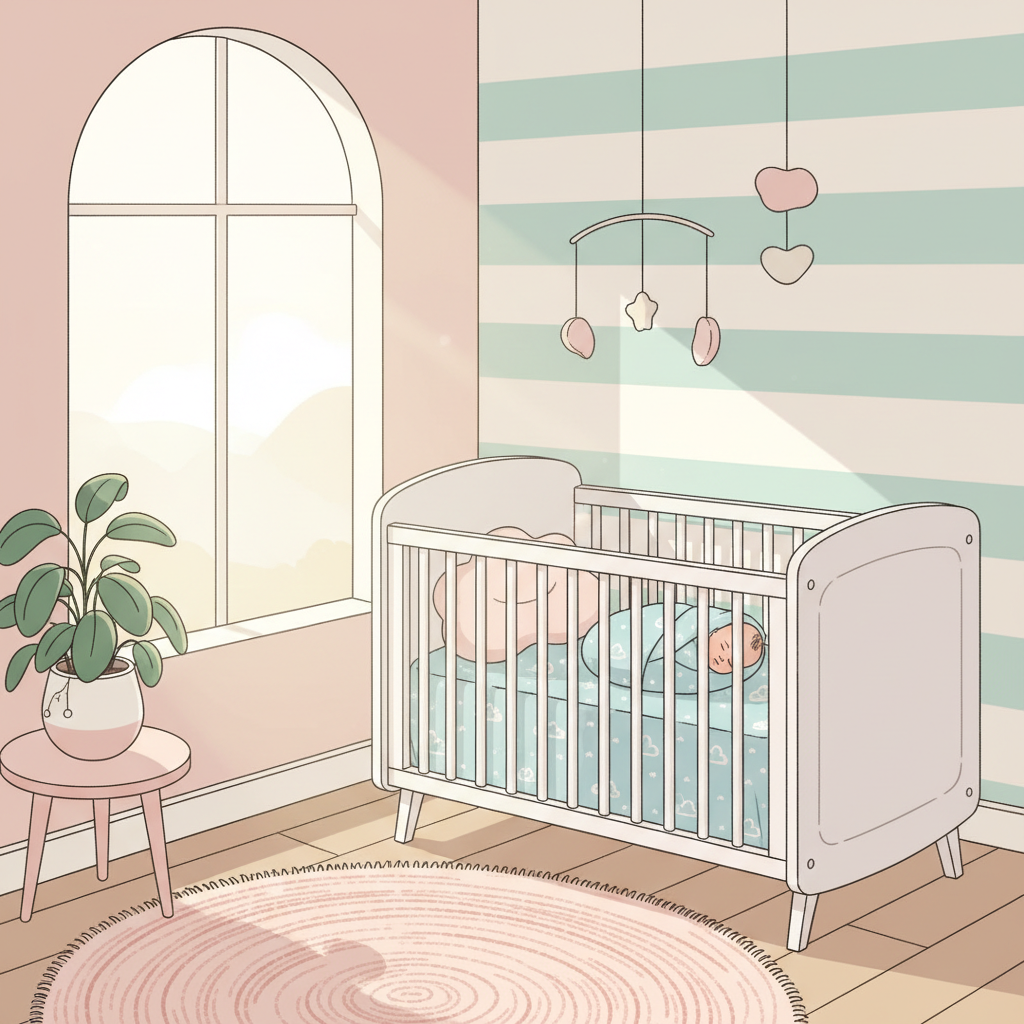
Dark Room for Naps: No Blackout Curtains Needed!
It was 7:14 a.m. and the sun was already beaming through my bedroom window, taunting me. Noah, my 9-month-old, was finally down for his first nap, but I knew it was a losing battle before it even began. Even with the blinds mostly closed, the slivers of light were enough to turn his crib into a brightly lit stage.
This is the stuff nobody really prepares you for. The constant negotiation with light.
The truth is, creating a dark room for daytime naps without investing in expensive blackout curtains might feel like a serious challenge. While I initially thought sleep was simply feed, change, sleep, I quickly learned that a bright room can thwart even the most obvious sleep cues. Then you’re staring at your baby wide awake at 2 p.m., convinced the sun itself is personally attacking your nap schedule.
But here's the thing: darkness is gold for baby sleep. It signals to their tiny brains that it’s time to wind down and, crucially, produce melatonin. That sleepy hormone is our best friend when it comes to encouraging longer, more restful naps.
Why Making it Dark for Daytime Naps is Important
Understanding your baby’s sleep cues is like learning a new language. You start to notice the subtle yawns, the eye rubs, even that little glazed-over look. But even when they’re showing all the signs, a bright room can totally derail their internal clock.
Our bodies, and our babies’ bodies, are wired for cycles of light and dark. When it’s dark, the pineal gland releases melatonin, which helps regulate sleep-wake cycles. This is the natural signal that tells us, and them, it's time to shut down for a bit.
So, when you’re trying to get your little one to nap during the brightest part of the day, you’re fighting against their natural biology if the room isn't suitably dark. This can lead to shorter naps, more frequent wake-ups, and a cranky baby (and a cranky mama!).
DIY Window Treatments with What You Have
When budget is tight, getting creative with simple household items can be surprisingly effective for creating nap time darkness.
The 'Towel Method'
This became a go-to for a while. Thick beach towels or old bath towels are surprisingly effective at blocking light.
- How it works: Shove a large, dark-colored towel into the window frame, pressing it as tight as you can against the glass and the edges. It’s not pretty, but it works wonders at blocking out light.
- Bonus: If the towel is somewhat thick, it can also help dampen sound a little.
Using Blankets and Sheets
Layering is key for maximizing darkness with textiles you already own.
- Layering is key: A single sheet often isn't enough. A darker, thicker blanket layered over a lighter one seems to block more light.
- Securing them: Tuck the edges under the window frame, or use painter’s tape (the kind that doesn’t leave residue!) to secure them more firmly.
Command Hooks for Temporary Solutions
These allow for temporary but secure hanging of fabric, creating instant blackout.
- How to use them: Stick a few Command hooks around the window frame. Then, hang a dark sheet or lightweight blanket over them, creating a makeshift curtain.
- The upside: It’s a super easy way to darken a room for a baby nap naturally without damaging your walls.
Going Beyond the Windows: Light Blocking Tricks
It’s not just the windows that let in light. Sneaky LEDs and gaps can be just as problematic.
Sealing Door Gaps
That thin sliver of light creeping under the nursery door can be a wakefulness beacon.
- The Fix: Use adhesive weatherstripping around the door frame, or a draft stopper on the floor. Honestly, even a rolled-up towel stuffed at the bottom of the door can make a huge difference.
Covering Electronic Lights
Tiny, blinking lights on chargers, sound machines, or even the TV can be bright distractions in a dark room.
- DIY approach: A small piece of electrical tape, a sticker, or dark paper held with putty can easily cover these little culprits.
Using Fan Shrouds or Diffusers
If a fan’s blades or motor housing lets light through, it can disrupt sleep.
- Creative Solutions: Fashion a shroud or cover for the fan using dark fabric or thick cardstock. Ensure it doesn't impede airflow or create a safety hazard.
Travel-Friendly Naptime Darkness Hacks
Babies nap everywhere, and not all places provide a dark sanctuary. Planning for nap time darkness is key, especially when you’re on the go.
Portable Solutions
Pack a portable blackout curtain, which are fabric panels with suction cups or Velcro that attach to windows. They’re inexpensive and fold up small.
- Another win: a lightweight, dark-colored travel blanket that can be draped over a pack-n-play or stroller to cut down on light.
Hotel Room Tricks
Hotel rooms can be notoriously bright. Leverage what's already there.
- The hotel curtains: Most hotels have thick, heavy curtains. Tuck the edges into the walls as much as possible.
- Desk lamps: Turn standalone desk lamps away from the crib area or unplug them if not needed.
Grandma's House Sleep Options
Grandma's house can sometimes be bright. Have a strategy for naptime darkness.
- Be prepared: Pack Command hooks and a dark sheet. This allows you to create a temporary dark space without altering the room permanently.
- Communicate gently: “Hey Grandma, just want to make sure Noah gets a good nap, so I’m going to hang this sheet here for a bit. It helps him sleep better!”
When to Call in the Pros (or Buy Those Curtains!)
While DIY hacks are fantastic, there are times when they aren’t enough.
- Persistent Sleep Issues: If your baby consistently struggles with naps despite your best efforts to create darkness (and address other sleep associations), consult a professional. If you are concerned about your baby's sleep patterns, learning about the 4-month sleep regression and short naps can be very informative.
- When Hacks Aren't Enough: If light significantly impacts your baby’s sleep and you can’t control it adequately, consider purchasing actual blackout curtains. There's no shame in that.
- Professional Advice: Your pediatrician can rule out medical issues and offer tailored guidance for persistent sleep difficulties. If you are in the postpartum period and experiencing significant emotional challenges, discussing your symptoms with your OBGYN is crucial, especially regarding issues like postpartum rage.